
A sagging refrigerator door is a quiet kitchen killer. You walk past it every day, watching the door drag against the frame or noticing that slight gap opening up at the top corner. Most kitchen managers assume a failing seal means it is time to swap the rubber gasket, and that is a costly mistake. Putting a new gasket on a sagging door is like putting brand-new tires on a truck with a bent axle; they will be shredded in weeks.
A sagging door is almost always a hardware failure. If your door is hanging low, your hinges are failing, and they are actively destroying your gaskets with every single open-and-close cycle. Understanding exactly why this happens, and how to stop it before it takes out your compressor, is what separates operators who fix problems from those who keep paying for the same ones.
The Mechanics of a Sagging Refrigerator Door: Why Doors Drop
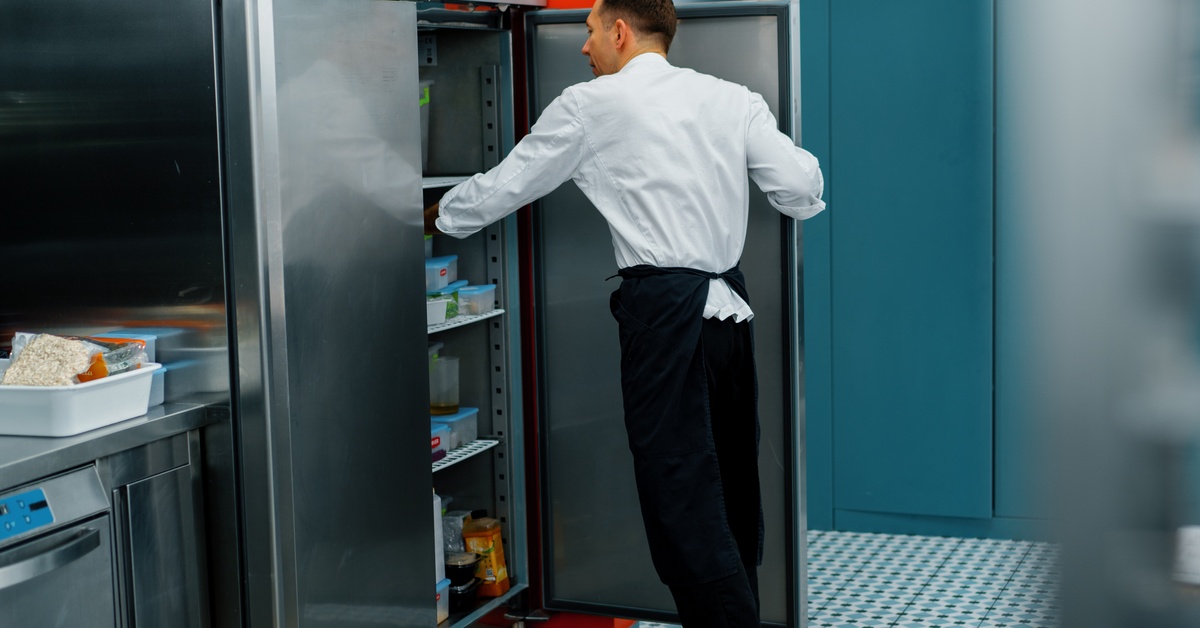
Commercial refrigeration doors carry immense weight, especially when door bins are loaded with heavy containers, milk jugs, or bulk sauces. That constant downward force piles up over months and years of high-traffic use. When a door drops even a fraction of an inch, the physical alignment of the entire unit shifts with it. That shift is enough to prevent the magnetic gasket from making clean, flat contact with the metal frame. Instead of compressing evenly around the perimeter, the gasket begins dragging along the bottom edge on every cycle, tearing the rubber and breaking the thermal seal in the process.
Catching this early is almost always cheaper than replacing hardware after the fact, which is exactly why routine maintenance visits matter more than a one-time gasket swap. When hinge components wear out, the door tilts forward and downward. This misalignment creates uneven pressure points across the entire door perimeter: the top hinge pulls away from the frame while the bottom hinge absorbs the full brunt of the door’s weight, accelerating its own wear and tear. Tightening a few loose screws can buy you a day or two, but if the internal components of the hinge are already degraded, the sag returns fast.
The Primary Culprits: What Causes the Sag?
Refrigerator doors do not sag without a reason. The constant high-traffic abuse of a busy commercial kitchen accelerates wear on components built to hold hundreds of pounds. When any single part gives out, the whole door system pays for it. Identifying which failure point you are dealing with determines whether you need a simple adjustment or a full hardware replacement.
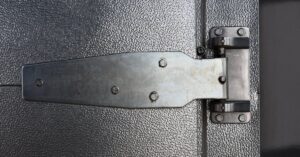
- Worn-Out Hinge Bushings and Nylon Cams: These small plastic or nylon inserts sit inside the hinge to allow smooth rotation. Over time, friction grinds them down to dust, causing the door to drop.
- Loose or Stripped Mounting Screws: The constant opening and closing of heavy doors vibrates mounting screws loose. In high-humidity kitchens, moisture can also corrode the screw holes, stripping the threads entirely.
- Overloaded Door Bins: Storing heavy items in the door bins creates a prying force that puts extreme, unintended torque on the top hinge, bending the hinge leaf over time.
- Sinking or Unlevel Equipment: If the refrigeration unit itself is not perfectly level, gravity pulls the heavy door downward at an angle, mimicking a hardware failure even when the hinges are still intact.
- Structural Wear from High Traffic: Commercial doors are opened hundreds of times a day. That sheer volume of use causes metal fatigue in the hinges, leading to a permanent structural droop that no amount of screw-tightening will correct.
Stop wasting money on temporary fixes. If your hardware is failing, your gaskets do not stand a chance. Explore our heavy-duty hinge and handle hardware to find the permanent, commercial-grade solution your kitchen needs to run efficiently.
Reach-In vs. Walk-In: Does a Sagging Door Look the Same?
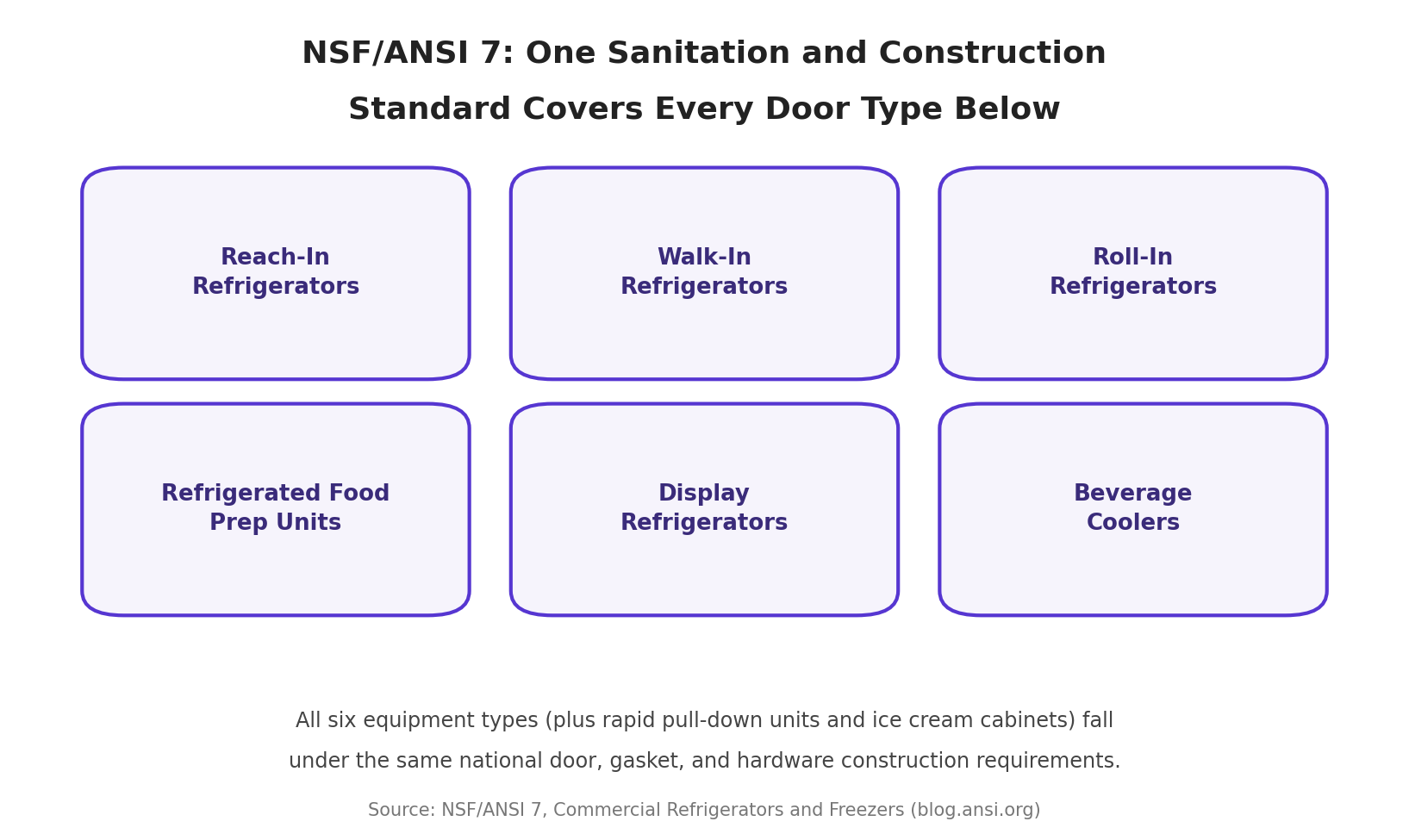
Not exactly, and knowing the difference saves a service call. A reach-in refrigerator door is lighter and typically rides on smaller cam-lift or spring hinges built largely from stamped steel and nylon. When those components wear out, the sag shows up fast, often within a single season of heavy use, and the door tends to swing shut on its own or hang noticeably crooked at the top corner.
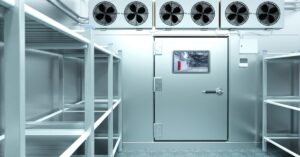
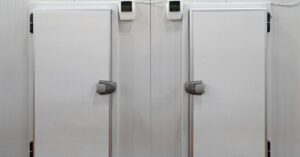
A walk-in door is a different animal entirely. Its hinges are heavier, load-rated for a much larger and more insulated door panel, and the sag develops more gradually. Instead of a sudden crooked hang, a walk-in door typically starts dragging along the floor threshold or binding against the frame on one side before the top-corner gap becomes obvious. Both failure paths end the same way: a gasket under uneven pressure and a compressor compensating for a leak it was never designed to fight.
The Compounding Damage: How Hinge Sag Destroys Gaskets and Compressors
A sagging door does not just look bad; it triggers a chain reaction of mechanical failures throughout your entire refrigeration system. When the door hangs low, the gasket is forced to drag across the threshold every time the door moves. That friction tears the bottom of the gasket and pulls it out of its retaining track. Meanwhile, at the top corner of the door, a physical gap opens up because the magnetic strip can no longer reach the frame. These two failure points, the torn bottom and the open top, happen simultaneously, and they compound each other with every passing shift.
That gap at the top corner allows warm, humid kitchen air to pour into the cabinet continuously. Your evaporator coils frost over, choking the airflow and reducing the system’s ability to pull heat out of the box. To compensate, the compressor runs constantly to maintain safe holding temperatures. Running a compressor that hard, that often, is not a sustainable operating condition; it shortens the lifespan of your most expensive refrigeration component and drives your utility costs through the roof.
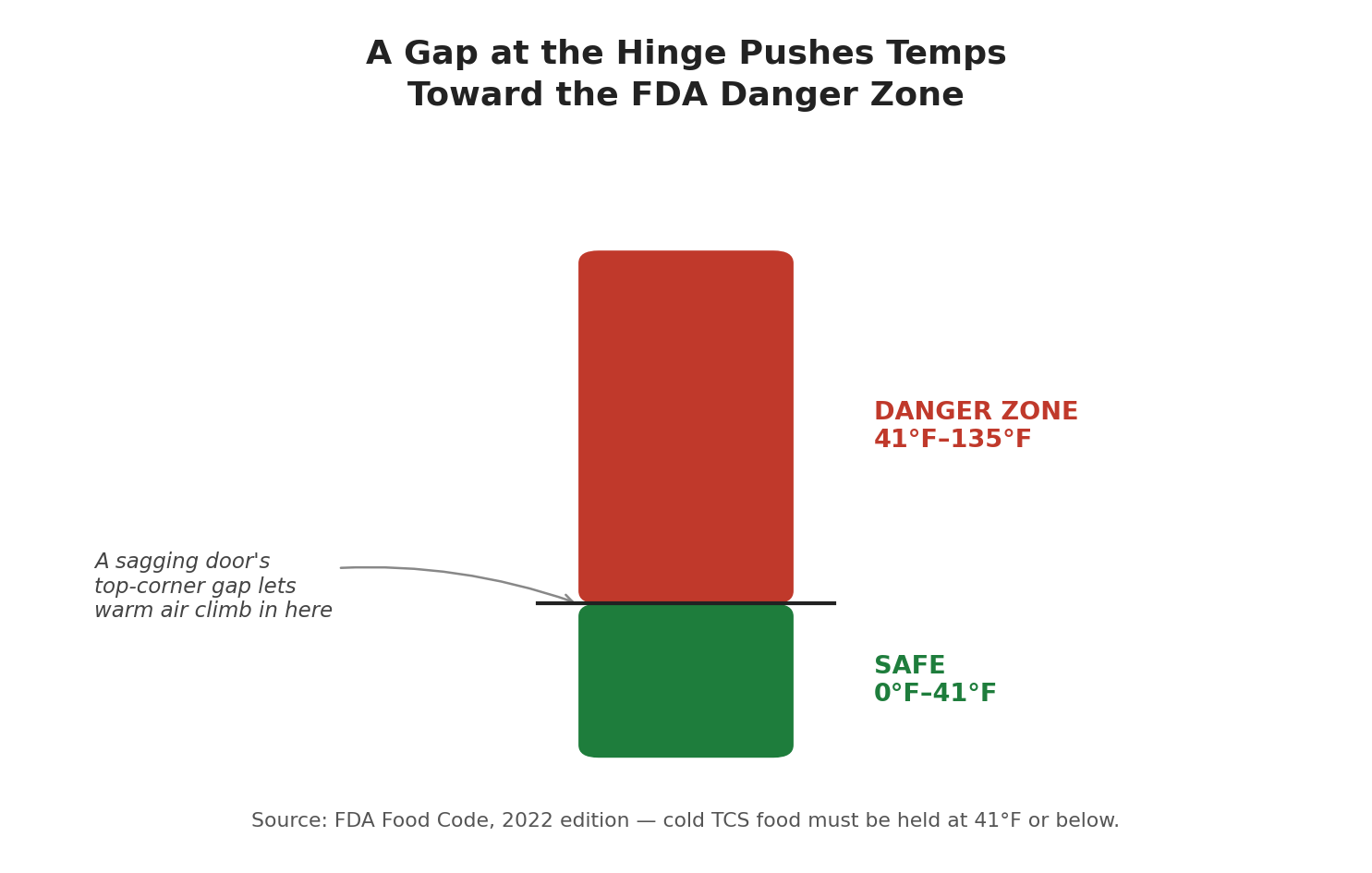
Source: FDA Food Code, 2022 edition, which requires cold Time/Temperature Control for Safety food to be held at 41°F or below.
- Accelerated Gasket Destruction: Dragging and pinching tear the rubber, forcing you to replace gaskets every few months instead of once a year.
- Skyrocketing Utility Bills: Warm air infiltration forces the system to work twice as hard, driving up your monthly energy costs in ways that are easy to miss until you pull the bill.
- Compressor Burnout: Running a compressor around the clock to fight a leaky door seal will inevitably lead to premature mechanical failure and expensive repairs that dwarf the cost of replacing a hinge.
- Food Safety and Compliance Risks: When cold air escapes, internal temperatures rise, creating a serious health inspection risk and causing expensive kitchen downtime, neither of which shows up on a maintenance budget line until it is already too late.
“We are an EXTREMELY high-volume restaurant… our gaskets used to wear out every 2 months! With Gaskets Rock, our commercial refrigeration gaskets last much longer and in many cases over a year! The Gaskets Rock staff do just that, ROCK!” – Craig Ledger, Executive Chef at Jimmy Buffett’s Margaritaville
How to Diagnose and Fix a Sagging Refrigerator Door
Before you touch a single screw, perform a physical inspection to pinpoint the exact failure point. Start at the bottom of the unit: check the leveling legs. If the cabinet is tilted forward, adjust the front legs to lean the unit slightly back toward the wall. A tilted cabinet mimics hinge failure and is the easiest fix in the diagnostic chain.
Diagnosing a Sagging Refrigerator Door in Five Minutes
Once you have confirmed the cabinet is level, move to the hinges themselves. Look for metal shavings on the floor beneath the door, black nylon dust around the hinge pin, or visible gaps between the hinge leaf and the door frame. Any of those signs point to hardware that has already failed structurally, and the sooner you act on them, the less collateral damage your gasket and compressor absorb.
Need a professional eye to inspect your hardware? Call Gaskets Rock at (800) 790-9284 to speak with our experts. We operate Monday through Friday, 8:00 AM to 6:00 PM, to help you keep your kitchen running smoothly.
Step-by-Step Guide to Refrigerator Door Hinge Adjustment
- Step 1: Clear the Door Bins: Remove all heavy items from the door to eliminate excess weight and torque before making any adjustments. You cannot accurately assess a hinge under load.
- Step 2: Check and Tighten Mounting Bolts: Inspect the top and bottom hinges. Use a socket wrench or screwdriver to tighten any loose mounting screws. If the screw holes are stripped, the hardware must be relocated or repaired before anything else.
- Step 3: Install Hinge Shims or Washers: If the door has dropped but the hinges are structurally sound, you can lift the door by adding specialized plastic or metal shims to the bottom hinge pin. This raises the door back to its original height without replacing the full hinge assembly.
- Step 4: Align the Door: Loosen the top hinge screws slightly, align the door so it is perfectly parallel to the cabinet frame, and then tighten the screws back down securely. Check the gap between the door and the frame at all four corners before calling it done.
- Step 5: Verify the Seal: Perform the dollar bill test. Close the door on a dollar bill; if it pulls out with zero resistance, the seal is still failing, and the hardware or gasket must be replaced regardless of how the door looks from the outside.
If you have tightened the screws and added shims but the door still sags, the metal hinges themselves are likely bent or the internal nylon cams are completely destroyed. In commercial environments, DIY fixes only go so far. Heavy-duty doors require professional-grade hardware designed to handle the daily abuse of a high-volume kitchen. Trying to force a warped door or a stripped hinge mount back into position without the right tools risks physical injury and can permanently damage the refrigerator cabinet frame, turning a hardware repair into a full cabinet replacement.
Frequently Asked Questions About Sagging Fridge Doors
How do I know if my sagging door is a hardware issue or just a bad gasket? ▸
If the door physically drags against the frame, sits lower than the adjacent door, or has visible gaps at the top while pinching at the bottom, you are dealing with a hardware issue. A bad gasket will look flattened, torn, or moldy, but it will not cause the physical metal door to hang crooked. The door’s position in the frame is the tell; gaskets fail in place, hinges fail by moving the door out of place.
Can I fix a sagging Frigidaire or Kenmore refrigerator door using the same steps? ▸
Yes, with one important caveat. Residential brands like Frigidaire, Kenmore, and GE have different hinge configurations than commercial units, but the physics of door sag are identical across all of them. Loose screws, worn plastic bushings, and overloaded door bins cause sag in a home kitchen just as reliably as they do in a restaurant. Where the difference matters is in the replacement hardware: commercial units require much heavier-duty components than anything you will find at a hardware store, and using residential-grade parts on a commercial door is a short-term fix that will fail again quickly.
Do refrigerator door hinges wear out over time? ▸
Refrigerator door hinges are mechanical wear items, and yes, they wear out. The constant friction of metal-on-metal or metal-on-nylon will eventually grind down the hinge pins and bushings regardless of how well the unit was built. In high-volume commercial kitchens where doors open hundreds of times per shift, that wear timeline accelerates considerably. Proactive hinge replacement protects your gaskets and compressor from downstream damage because standard OEM parts don’t last under commercial kitchen pressure.
How do you lift a refrigerator door that has dropped? ▸
To lift a dropped door, insert specialized hinge shims or nylon washers onto the bottom hinge pin. This physically raises the door leaf back into alignment with the top hinge. If the hinge pin itself is bent or worn down past the point where a shim can compensate, the entire hinge assembly needs to come out and be replaced. Shims are a legitimate fix when the hinge structure is still sound; they are a temporary patch when the hinge itself is the problem.
What happens if I ignore a sagging freezer or refrigerator door? ▸
Ignoring a sagging door sets off a cascade of failures. In freezers, the warm air infiltration causes massive ice buildup on the evaporator coils, choking airflow and forcing the system into overdrive. In refrigerators, internal temperatures creep up, putting food inventory and health code compliance at risk. Across both unit types, the compressor runs continuously to compensate for the lost seal, and continuous operation shortens its lifespan dramatically. The cost of ignoring a sagging door, in energy, in food loss, in eventual compressor replacement, far exceeds the cost of fixing the hinge when the sag first appears.
Contact Us Today
A sagging refrigerator door is a structural warning sign, and tightening a loose screw might buy you a few days, but worn hinges will continue destroying your gaskets and straining your compressor until the hardware is finally replaced. At Gaskets Rock, we do not just sell rubber: we provide complete door integrity solutions. Our team of experts inspects the entire door system, replaces worn hardware, and installs the toughest, longest-lasting gaskets on the planet. To break the cycle of constant gasket replacements and high utility bills, the fix has to be permanent, and that starts with the hardware.
Do not wait for a failed health inspection or a dead compressor to take action. Contact Gaskets Rock today at (800) 790-9284 or schedule your professional commercial refrigerator gasket replacement service online. Our local Pittsburgh team and national divisions across the United States, Canada, and México are ready to permanently secure your refrigeration seals.