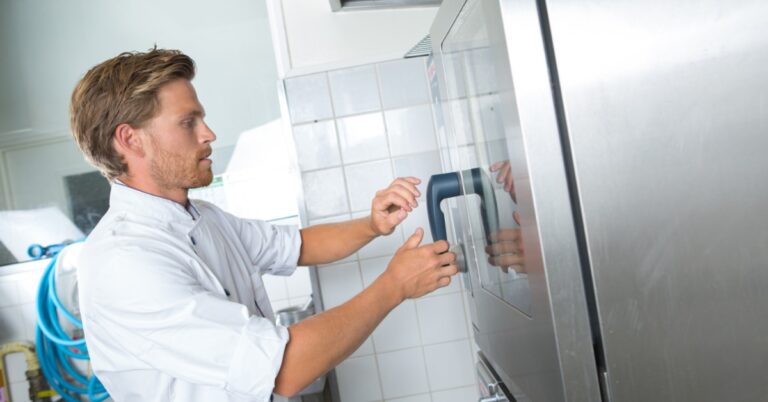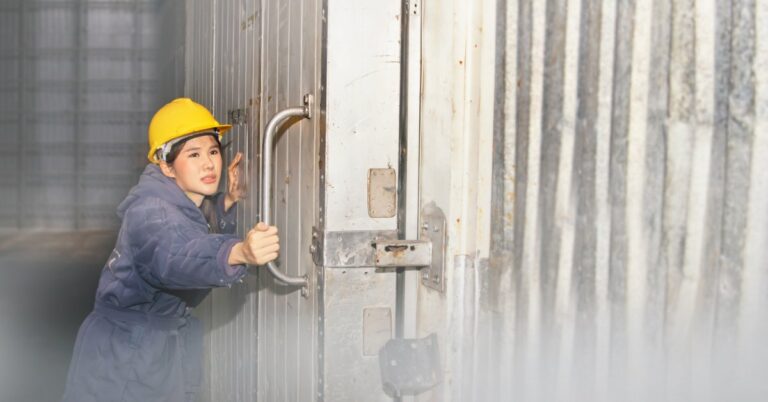
For restaurant owners, facility managers, and commercial kitchen operators, understanding how often commercial refrigerator gaskets should be replaced is essential for maintaining food safety, controlling energy costs, and extending the life of refrigeration equipment. There is no single replacement schedule that applies to every commercial refrigerator. In many kitchens, gaskets may last several years, while equipment exposed to heavy use, grease, heat, harsh cleaning products, or frequent door openings may require replacement much sooner. The best approach is to inspect refrigerator and freezer gaskets regularly and replace them as soon as they stop creating a reliable seal.
What Is a Commercial Refrigerator Gasket?
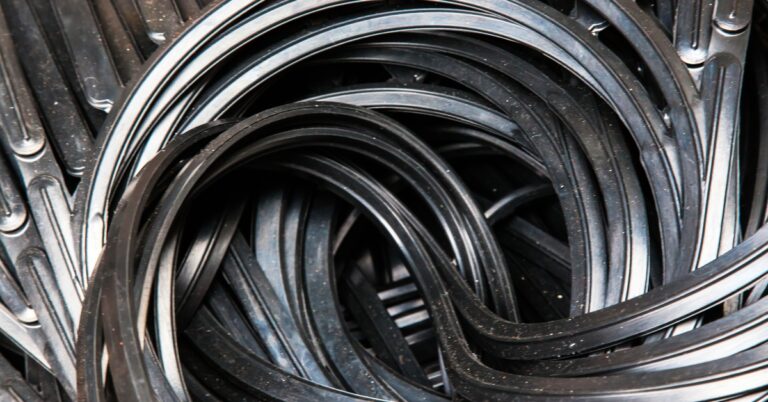
A commercial refrigerator gasket is the flexible sealing material installed around the perimeter of a refrigerator or freezer door. When the door closes, the gasket compresses against the cabinet to prevent cold air from escaping and warm, humid air from entering.
Although it may seem like a minor component, the gasket plays a major role in refrigeration performance. A properly functioning door gasket helps:
- Maintain consistent internal temperatures
- Protect refrigerated food from unsafe temperature fluctuations
- Reduce the workload placed on the compressor
- Limit frost, condensation, and moisture buildup
- Improve energy efficiency
- Prevent premature wear on refrigeration equipment
- Support sanitation and health-code compliance
Once a gasket becomes torn, brittle, loose, warped, or contaminated, the refrigerator may no longer maintain a complete seal. Even a small opening can force the refrigeration system to work harder throughout the day.
How Often Should Commercial Refrigerator Gaskets Be Replaced?
Commercial refrigerator gaskets should be replaced based on their condition rather than according to a rigid calendar. Under normal operating conditions, a quality gasket may remain functional for several years. However, commercial kitchens are demanding environments, and replacement may be needed sooner when equipment receives heavy daily use.
The recommended approach is to inspect gaskets at least once every three months. High-volume restaurants, cafeterias, healthcare kitchens, hotels, schools, grocery stores, and food production facilities may benefit from monthly inspections.
A gasket should be replaced immediately when it can no longer form a complete, dependable seal. Waiting until the refrigerator experiences a major temperature or mechanical problem can result in higher repair costs, food loss, and unnecessary energy consumption.
Several factors influence gasket life, including:
- How frequently the refrigerator door is opened
- Whether employees pull or lean on the door
- The amount of grease and food residue in the environment
- Proximity to ovens, fryers, grills, and other heat sources
- The type and frequency of cleaning
- The quality of the gasket material
- The condition and alignment of the refrigerator door
- Whether the correct replacement gasket was installed
- The age and condition of the refrigeration equipment
Instead of assuming that every gasket will last the same amount of time, kitchen operators should create a routine inspection process and respond quickly to signs of damage.
Signs That a Commercial Refrigerator Gasket Needs Replacement
Recognizing gasket failure early can help prevent larger refrigeration problems. The following warning signs commonly indicate that replacement is necessary.
Visible Cracks, Tears, or Splits
Inspect the entire gasket, including the corners and folds. Small cracks may expand over time, especially when the door is opened hundreds of times each day. Tears and splits allow conditioned air to escape and make it difficult for the door to seal evenly.
A Loose or Warped Gasket
A gasket may pull away from the door, sag, twist, or lose its original shape. If the gasket does not sit evenly around the complete door frame, replacement may be necessary.
The Door Does Not Stay Closed
When a refrigerator door pops open, swings back, or requires extra pressure to remain shut, the gasket may no longer be sealing correctly. Door hinges and alignment should also be checked, but a damaged gasket is a common cause.
Condensation Around the Door
Moisture on or near the exterior of the door can indicate that warm air is entering through a compromised seal. Condensation may also lead to slippery floors, corrosion, mold growth, and sanitation concerns.
Frost or Ice Buildup
Excessive frost inside a commercial freezer often develops when humid air enters through gaps in the gasket. While other mechanical problems can cause icing, the gasket should always be inspected when unusual frost appears.
Inconsistent Interior Temperatures
A failing gasket may contribute to temperature fluctuations, especially near the door. Food may not remain within the required temperature range, creating safety and compliance risks.
Longer Compressor Run Times
When cold air leaks from the cabinet, the compressor must operate more frequently to maintain the thermostat setting. If the equipment seems to run constantly, a worn gasket may be part of the problem.
Higher Energy Bills
A sudden or gradual increase in electricity use may be connected to inefficient refrigeration equipment. Damaged gaskets are often overlooked because the refrigerator may continue cooling even though it is using more energy than necessary.
Mold, Mildew, or Persistent Odors
Gasket folds can trap moisture, grease, crumbs, and food residue. Surface contamination may sometimes be removed through proper cleaning. However, a gasket with deep mold growth, permanent staining, deterioration, or lingering odors may need to be replaced.
The Gasket Feels Hard or Brittle
Healthy gasket material should remain flexible enough to compress against the cabinet. Exposure to heat, grease, chemicals, and age can cause the material to harden. A brittle gasket cannot conform to the sealing surface effectively.
How to Test a Commercial Refrigerator Gasket
A visual inspection is important, but several simple tests can reveal less obvious sealing problems.
Perform the Paper Test
Place a piece of paper or a dollar bill between the gasket and the refrigerator cabinet. Close the door and gently pull the paper.
A working seal should provide noticeable resistance. If the paper slides out easily, test additional areas around the door. Weak resistance in one or more locations may indicate gasket damage, door misalignment, or an installation issue.
Check for Light
For equipment that can be safely darkened, place a flashlight inside the refrigerator, close the door, and inspect the perimeter. Light visible through the seal may reveal gaps.
Feel for Escaping Air
Run your hand slowly around the closed door. Noticeable cold air escaping from the cabinet may indicate a sealing problem. Be careful around hot equipment, electrical connections, and moving kitchen operations.
Monitor Temperature and Run Time
Record cabinet temperatures and note how frequently the compressor operates. Abnormal fluctuations or unusually long run cycles should be evaluated by a qualified professional.
Why Timely Gasket Replacement Matters
Delaying gasket replacement may seem like a way to reduce maintenance costs, but it can create more expensive problems.
Food Safety
Commercial refrigerators must maintain safe holding temperatures. A weak door seal can introduce warm air and contribute to temperature instability. In a busy kitchen, this may affect ingredients, prepared foods, beverages, dairy products, meat, seafood, and other perishables.
Energy Efficiency
Refrigeration equipment already accounts for a significant portion of a commercial kitchen’s energy use. When a gasket leaks, the system consumes additional electricity to compensate for the ongoing cold-air loss.
Equipment Longevity
An overworked compressor experiences more wear. Replacing a relatively inexpensive gasket at the right time may reduce strain on major components and help avoid premature equipment failure.
Sanitation
Cracked and damaged gaskets can trap grease, crumbs, liquids, and bacteria in areas that are difficult to clean. Replacing deteriorated material creates a smoother, more sanitary surface.
Employee Productivity
A refrigerator door that will not close properly can disrupt workflow. Employees may need to repeatedly push the door shut, rearrange stored products, remove ice, or report temperature concerns. Reliable gaskets allow staff members to focus on food preparation and service.
Customer Experience
Refrigeration problems can lead to spoiled ingredients, unavailable menu items, slower service, and inconsistent food quality. Preventive gasket maintenance supports dependable kitchen operations.
What Causes Commercial Refrigerator Gaskets to Wear Out?
Commercial kitchen gaskets face conditions that residential refrigerator seals rarely encounter. Understanding the causes of deterioration can help operators protect new gaskets and identify recurring problems.
Frequent Door Openings
A commercial refrigerator may be opened dozens or hundreds of times during a single shift. Repeated compression and pulling gradually wear down the gasket material.
Grease Exposure
Airborne grease can coat gasket surfaces, particularly on equipment near fryers, ranges, and grills. Grease may soften, swell, discolor, or degrade materials that are not designed for demanding kitchen conditions.
High Temperatures
Refrigerators positioned near cooking equipment are exposed to elevated ambient temperatures. Heat can contribute to warping, brittleness, and material deterioration.
Improper Cleaning Products
Strong chemicals, solvents, abrasive scrubbers, and undiluted cleaners can damage gasket surfaces. Kitchen staff should follow the equipment or gasket manufacturer’s cleaning instructions.
Pulling the Door by the Gasket
Employees should always use the door handle. Pulling on the gasket can stretch it, loosen it from its mounting channel, and damage the corners.
Food Debris and Spills
Sticky liquids and dried food can prevent the gasket from making full contact with the cabinet. Debris may also cause employees to apply excessive force when opening or closing the door.
Misaligned Doors
A sagging or improperly aligned door places uneven pressure on the gasket. Replacing the gasket without correcting the alignment problem may cause the new seal to wear prematurely.
Incorrect Gasket Selection
A gasket must match the refrigerator’s manufacturer, model, profile, dimensions, and mounting style. An incorrect gasket may appear close enough, but still leave gaps or fit poorly.
How to Extend the Life of Commercial Refrigerator Gaskets
Preventive maintenance can help gaskets remain flexible, sanitary, and effective for as long as possible.
- Clean gasket surfaces regularly with an appropriate mild cleaning solution.
- Remove grease and food residue before it accumulates in folds and corners.
- Dry gaskets after cleaning to reduce moisture-related growth.
- Train employees to open refrigerator doors using the handles.
- Avoid storing items that prevent the door from closing completely.
- Do not overfill the refrigerator or allow containers to press against the door.
- Inspect hinges, latches, closers, and door alignment.
- Keep sharp tools and metal pans away from gasket surfaces.
- Schedule routine professional inspections.
- Replace damaged gaskets before they affect other refrigeration components.
A gasket inspection can be incorporated into daily closing procedures, weekly cleaning checklists, or quarterly preventive maintenance programs.
Should All Gaskets Be Replaced at the Same Time?
Not necessarily. Each door gasket should be evaluated individually. One gasket may fail sooner because the door is used more frequently, sits closer to a heat source, or has been damaged during cleaning or product loading.
However, replacing multiple gaskets during one service visit may be practical when several are approaching the end of their usable life. A professional inspection can identify which seals require immediate replacement and which remain serviceable.
For facilities with many refrigerators, freezers, prep tables, walk-ins, coolers, and display units, maintaining a gasket inventory can simplify planning. Documenting replacement dates may also help managers recognize patterns and budget for future maintenance.
Why Professional Gasket Replacement Is Worthwhile
Some gaskets appear simple to install, but achieving a complete seal requires the correct part, precise measurements, proper installation, and verification that the door closes evenly.
Professional commercial refrigeration gasket replacement can help ensure:
- The correct gasket profile is selected
- Measurements are accurate
- The gasket is seated properly
- Corners fit securely
- The door closes without gaps
- Hinges and alignment are evaluated
- The completed seal is tested
- Kitchen disruption is minimized
An improperly fitted gasket may curl, separate, or leave hidden gaps. Professional service reduces the risk of ordering the wrong component or repeating the installation.
Creating a Gasket Inspection Schedule
A structured maintenance schedule helps prevent gasket problems from being overlooked. Commercial kitchens may use the following general framework:
Daily
- Confirm that each door closes completely
- Wipe away visible spills and food residue
- Report torn, loose, or obstructed gaskets
Weekly
- Clean gasket folds and corners
- Check for moisture, grease, mold, or buildup
- Verify that no products interfere with door closure
Monthly
- Inspect each gasket for cracks, brittleness, and warping
- Perform a paper test in several locations
- Check hinges, handles, and door alignment
Quarterly
- Conduct a complete refrigeration gasket assessment
- Document the condition of every unit
- Schedule replacement for damaged or weak seals
- Review temperature logs and energy-use concerns
The appropriate frequency may vary depending on equipment usage. High-volume operations should inspect more often than kitchens with limited operating hours.
Frequently Asked Questions
How long do commercial refrigerator gaskets usually last?
A commercial refrigerator gasket may last several years, but its lifespan depends on usage, cleaning practices, heat, grease exposure, equipment condition, and gasket quality. Condition is more important than age when determining replacement.
Should a gasket be replaced if it has a small tear?
Yes. Even a small tear can grow and allow cold air to escape. Early replacement may prevent temperature problems and added compressor strain.
Can a dirty gasket be cleaned instead of replaced?
A gasket with surface dirt or grease may be cleaned if the material remains flexible and undamaged. Replace it if contamination is embedded, mold cannot be removed, or the gasket is cracked, warped, or brittle.
How can I tell whether the gasket or the door is the problem?
Inspect the gasket and perform a paper test around the door. If resistance varies, the gasket may be damaged, or the door may be misaligned. A professional can evaluate both issues.
Can a damaged gasket increase electricity costs?
Yes. A leaking gasket allows cold air to escape, which can make the refrigeration system run longer and consume more energy.
Is it safe to keep using a refrigerator with a bad gasket?
Continued use may create temperature instability, sanitation problems, frost buildup, and equipment strain. The gasket should be replaced promptly.
Do freezer gaskets wear out faster than refrigerator gaskets?
They can. Freezer gaskets may experience frost, ice, moisture, and stronger temperature differences. Actual wear depends on door use, environmental conditions, maintenance, and gasket quality.
Can I order a gasket based only on the refrigerator’s measurements?
Measurements are important, but they may not be enough. The equipment manufacturer, model number, gasket profile, mounting style, and door configuration should also be considered.
How often should gaskets be inspected?
Most commercial kitchens should inspect gaskets at least quarterly. High-volume operations should consider monthly inspections and routine visual checks during cleaning.
Should mold-resistant gaskets still be cleaned?
Yes. Mold-resistant materials help reduce growth, but regular cleaning is still necessary to remove moisture, grease, food residue, and other contaminants.
Schedule Commercial Refrigeration Gasket Replacement With Gaskets Rock
Do not wait for rising energy bills, unsafe temperatures, damaged inventory, or refrigeration failure to reveal a worn door seal. We provide professional commercial refrigeration gasket replacement for restaurants, hotels, grocery stores, schools, healthcare facilities, institutional kitchens, and other foodservice operations.
Our commercial refrigeration gaskets are heat-resistant, grease-resistant, and mold-resistant, helping them perform in the demanding conditions found in busy commercial kitchens. No one services more commercial kitchens coast to coast than the professionals at Gaskets Rock.
Protect your food, equipment, energy budget, and daily operations with reliable gasket replacement from an experienced team. Contact us and get a free quote today!