The walk-in cooler gasket replacement cost can vary based on the size of the door, the gasket profile, the condition of the door, labor requirements, and whether the replacement is part of a larger commercial refrigeration maintenance project. In many cases, replacing a worn gasket is a relatively affordable repair compared with the energy loss, food spoilage, and equipment strain that can result from leaving a damaged seal in place. For restaurant owners, grocery stores, schools, hospitals, hotels, and other commercial facilities, understanding the factors that affect gasket replacement pricing can make it easier to budget for maintenance and avoid more expensive refrigeration problems.
What Is a Walk-In Cooler Gasket?
A walk-in cooler gasket is the flexible seal installed around the perimeter of a cooler or freezer door. When the door closes, the gasket creates an airtight barrier between the refrigerated interior and the surrounding environment.
This seal helps prevent:
- Cold air from escaping
- Warm, humid air from entering
- Condensation and frost buildup
- Unnecessary compressor cycling
- Temperature fluctuations
- Excessive energy consumption
- Premature wear on refrigeration components
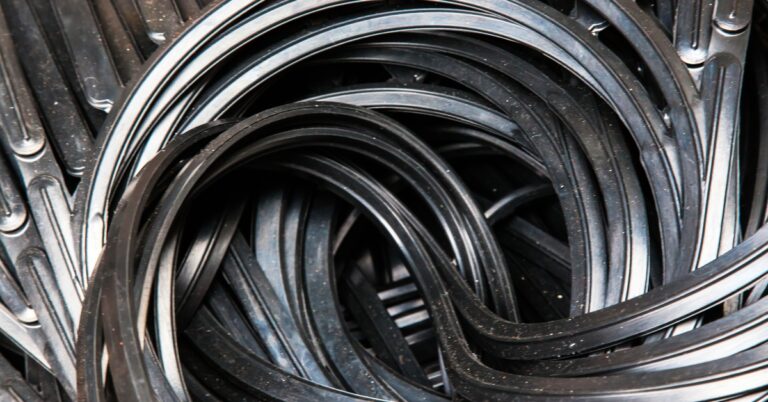
Walk-in cooler gaskets are commonly made from flexible materials designed to withstand frequent use, temperature changes, grease, moisture, cleaning chemicals, and exposure to food-service environments. Over time, however, gaskets can crack, tear, harden, loosen, warp, or become contaminated with mold and grease.
Once the gasket can no longer form a consistent seal, replacement is usually the most practical solution.
Average Walk-In Cooler Gasket Replacement Cost
The total cost of replacing a walk-in cooler gasket generally includes the price of the gasket, professional labor, travel or service fees, and any additional adjustments required to restore a proper door seal.
A straightforward gasket replacement on a standard walk-in cooler door may cost a few hundred dollars. Larger doors, custom gasket profiles, freezer-rated materials, multiple-door projects, or doors requiring additional repair may cost more.
The exact price depends on several factors:
- Door dimensions
- Gasket style and material
- Cooler or freezer application
- Manufacturer specifications
- Number of gaskets being replaced
- Installation complexity
- Condition of the door and frame
- Service location
- After-hours or emergency scheduling
Because commercial refrigeration doors come in many sizes and configurations, a customized quote is typically more reliable than a flat national price.
What Factors Affect Walk-In Cooler Gasket Replacement Cost?
Door Size
The dimensions of the cooler door directly affect the amount of gasket material required. A large walk-in cooler door will generally require a longer and more expensive gasket than a smaller reach-in refrigeration door.
The technician may need the following measurements:
- Door width
- Door height
- Gasket width
- Dart or mounting channel dimensions
- Corner configuration
- Profile shape
Accurate measurements are essential. A gasket that is too short, too long, or incorrectly shaped may not seal properly.
Gasket Profile
Commercial refrigeration gaskets are available in many profiles. Some slide into a retaining channel, while others attach with screws, clips, adhesive, or specialized mounting systems.
Common configurations include:
- Push-in gaskets
- Dart-style gaskets
- Screw-in gaskets
- Magnetic gaskets
- Compression gaskets
- Custom-fabricated profiles
Standard profiles may be easier to source and install. Obsolete, uncommon, or proprietary designs may require additional identification or fabrication, which can increase the final price.
Cooler Versus Freezer Application
Walk-in freezer gaskets may have different performance requirements than cooler gaskets. Freezer doors are exposed to lower temperatures and may be more vulnerable to frost, ice, stiffness, and condensation.
Some freezer doors also include heated components that help prevent the gasket from freezing to the frame. If the heater, wiring, threshold, or door alignment is damaged, replacing the gasket alone may not solve the problem.
A qualified technician should inspect the complete sealing surface before recommending repairs.
Gasket Material
The material used in the gasket can affect durability, performance, and cost. Commercial kitchens need gaskets that can tolerate demanding conditions, including grease, heat, moisture, frequent cleaning, and constant door movement.
Higher-quality materials may cost more initially, but they can provide better long-term value by resisting:
- Heat exposure
- Grease contamination
- Mold growth
- Cracking
- Warping
- Premature hardening
- Repeated compression
Choosing the lowest-priced gasket is not always the most economical option. A poor-quality seal may fail sooner, increase energy use, and require another service appointment.
Number of Doors
Replacing gaskets on several doors during one service visit can affect the cost per door. Multi-door projects may be more efficient because the technician can inspect, measure, prepare, and install several gaskets during the same appointment.
Commercial facilities with multiple walk-ins, reach-ins, preparation tables, and refrigerated cabinets may benefit from scheduling a complete gasket inspection.
Labor Requirements
Some gasket replacements are simple. Others require significant preparation.
Labor costs may increase when:
- The old gasket is difficult to remove
- Retaining channels are bent or damaged
- Fasteners are rusted or stripped
- Adhesive residue must be removed
- The door is misaligned
- The frame is damaged
- The gasket must be trimmed or fabricated on-site
- Ice or grease must be removed before installation
- Access to the equipment is restricted
Professional installation helps ensure that the new gasket is correctly seated, aligned, and tested.
Door and Frame Condition
A new gasket cannot compensate for every door problem. If the door is sagging, warped, damaged, or out of alignment, the gasket may still leave gaps after installation.
Additional repairs may include:
- Hinge adjustment
- Latch adjustment
- Door closer repair
- Strike plate alignment
- Threshold repair
- Retainer replacement
- Frame correction
- Heater inspection
These repairs may add to the project cost, but they can be necessary to create a complete seal.
Location and Service Area
Travel distance, local labor rates, building access, parking requirements, and service availability can affect pricing. Facilities in remote areas or high-cost markets may pay more than businesses located near a major service route.
After-hours, weekend, and emergency service may also carry additional fees.
Signs Your Walk-In Cooler Gasket Needs Replacement
A damaged gasket is not always immediately obvious. Some failures develop gradually as the gasket loses flexibility or pulls away from the door.
Common warning signs include:
- Visible cracks or tears
- Missing gasket sections
- Mold that cannot be fully removed
- Grease buildup embedded in the material
- Hard or brittle gasket surfaces
- Loose corners
- Gaps between the gasket and frame
- Condensation around the door
- Frost or ice buildup
- Temperature instability
- Increased energy bills
- A compressor that runs more frequently
- A door that does not stay fully closed
You can perform a basic visual inspection by checking the entire perimeter of the door. Pay particular attention to the bottom corners, hinge side, and areas near the latch, since these locations often experience the most wear.
Why Delaying Gasket Replacement Can Cost More
A worn gasket may seem like a minor maintenance issue, but it can create several expensive problems.
Higher Energy Consumption
When cold air escapes, the refrigeration system must run longer to maintain the set temperature. This can increase electricity usage and operating costs.
Excessive Equipment Strain
Longer compressor run times can place additional stress on refrigeration components. Over time, this may contribute to premature equipment wear or unexpected breakdowns.
Temperature Fluctuations
An inconsistent seal can make it difficult to maintain safe food-storage temperatures. Even small air gaps can allow warm air and humidity to enter the cooler.
Frost and Condensation
Moisture entering the cooler may create condensation, frost, or ice. These conditions can make floors slippery, damage products, interfere with door operation, and increase maintenance requirements.
Food Quality and Safety Concerns
Commercial kitchens depend on reliable refrigeration to protect perishable inventory. A poor door seal can increase the risk of temperature excursions, product deterioration, and food waste.
Pest and Sanitation Problems
Open gaps around a cooler door can collect moisture, grease, food residue, and debris. Damaged seals may also create sanitation concerns in areas where food is prepared or stored.
Replacing a failing gasket early is generally less expensive than addressing the consequences of prolonged air leakage.
Can You Replace a Walk-In Cooler Gasket Yourself?
Some businesses attempt do-it-yourself gasket replacement, especially when the gasket appears to use a simple push-in profile. However, several challenges can complicate the process.
The replacement gasket must match:
- The door dimensions
- The mounting method
- The profile shape
- The magnetic orientation
- The corner construction
- The required temperature rating
An incorrectly identified gasket may not fit the channel or may fail to seal against the frame. Improper stretching during installation can also cause the gasket to shrink, pull away from the corners, or distort after installation.
Professional replacement is often the better choice when:
- The gasket profile is difficult to identify
- The door is custom or outdated
- The mounting channel is damaged
- The door is misaligned
- The gasket must be fabricated
- Multiple doors need service
- The cooler must meet strict sanitation standards
- Previous replacement attempts have failed
A trained gasket professional can identify the correct material, install it properly, and check the completed seal.
How Long Does Gasket Replacement Take?
The time required depends on the door condition and the type of gasket. A straightforward replacement may be completed relatively quickly. More complex installations can take longer if the old gasket is difficult to remove, the retainer needs repair, or the door requires adjustment.
A technician may complete the following steps:
- Inspect the existing gasket and door.
- Confirm the gasket profile and dimensions.
- Remove the damaged gasket.
- Clean the mounting surface or channel.
- Install the replacement gasket.
- Adjust the corners and seal.
- Check the door alignment.
- Test for air gaps.
- Confirm that the door closes and latches correctly.
For facilities with several refrigeration units, the technician may inspect and replace multiple gaskets during the same visit.
How to Reduce Walk-In Cooler Gasket Replacement Costs
Preventive maintenance can help extend gasket life and reduce emergency service expenses.
Clean Gaskets Regularly
Use cleaning products and procedures approved for the gasket material. Remove grease, food residue, and moisture before they become embedded in the seal.
Avoid aggressive tools that may puncture or tear the gasket.
Inspect the Door Frequently
Look for loose corners, cracks, warping, condensation, and gaps. Catching a problem early may prevent additional damage to the gasket, door, or refrigeration system.
Avoid Pulling on the Gasket
Employees should open the cooler using the handle, not the gasket. Repeated pulling can loosen the gasket from its retaining channel.
Keep the Door Aligned
Sagging hinges and poorly adjusted latches can place uneven pressure on the seal. Correcting alignment problems can help the gasket compress evenly.
Replace Damaged Gaskets Promptly
Do not wait until the gasket is completely detached or severely torn. Early replacement can reduce energy loss and protect the rest of the system.
Combine Multiple Replacements
If several refrigeration doors have worn seals, scheduling them together may simplify service and reduce repeated travel or inspection costs.
How to Get an Accurate Replacement Quote
To receive an accurate quote, provide as much information as possible about the door and gasket.
Helpful details include:
- Equipment manufacturer
- Model number
- Door width and height
- Gasket dimensions
- Photos of the gasket profile
- Photos of the mounting channel
- Number of doors
- Cooler or freezer application
- Description of visible damage
- Facility location
- Preferred service schedule
Clear photos can be particularly useful when the gasket profile or equipment model is difficult to identify.
Frequently Asked Questions
How much does it cost to replace a walk-in cooler gasket?
The price depends on the door size, gasket type, material, labor requirements, and condition of the door. A customized quote provides the most accurate estimate.
Is gasket replacement cheaper than replacing the door?
Yes. In most cases, replacing a worn gasket is significantly less expensive than replacing the entire walk-in cooler door.
How often should walk-in cooler gaskets be replaced?
There is no universal replacement schedule. Gaskets should be replaced when they crack, tear, harden, loosen, develop permanent mold contamination, or stop creating a complete seal.
Can a damaged gasket increase electricity costs?
Yes. Air leakage forces the refrigeration system to run longer and work harder, which can increase energy consumption.
Can a new gasket fix a door that will not close properly?
It depends on the cause. A new gasket may help when the existing seal is damaged, but hinge, latch, frame, closer, or alignment problems may also require repair.
Should moldy cooler gaskets be replaced?
Surface contamination may sometimes be cleaned, but deeply embedded mold, permanent staining, cracking, or material deterioration can indicate that replacement is necessary.
Are freezer gaskets different from cooler gaskets?
They can be. Freezer gaskets must perform reliably at lower temperatures and may be used with heated door frames or other anti-condensation components.
How do I know which gasket profile I need?
The profile may be identified using the equipment manufacturer, model number, cross-section shape, mounting style, dimensions, and clear photos.
Can all commercial refrigeration gaskets be replaced on-site?
Many can be replaced on-site. Custom profiles, extensive door damage, or specialized mounting systems may require additional preparation.
Why should I hire a professional gasket replacement company?
Professional installers can identify the correct gasket, complete the installation properly, inspect the door, and verify that the finished seal is effective.
Get a Free Walk-In Cooler Gasket Replacement Quote
A damaged walk-in cooler gasket can increase energy use, strain refrigeration equipment, create sanitation concerns, and put valuable inventory at risk. Prompt replacement helps protect your equipment, maintain stable temperatures, and keep your commercial kitchen operating efficiently.
Turn to Gaskets Rock for professional commercial refrigeration gasket replacement. Our commercial refrigeration gaskets are heat-resistant, grease-resistant, and mold-resistant. No one services more commercial kitchens coast to coast than the professionals at Gaskets Rock.
Contact us and get a free quote today!