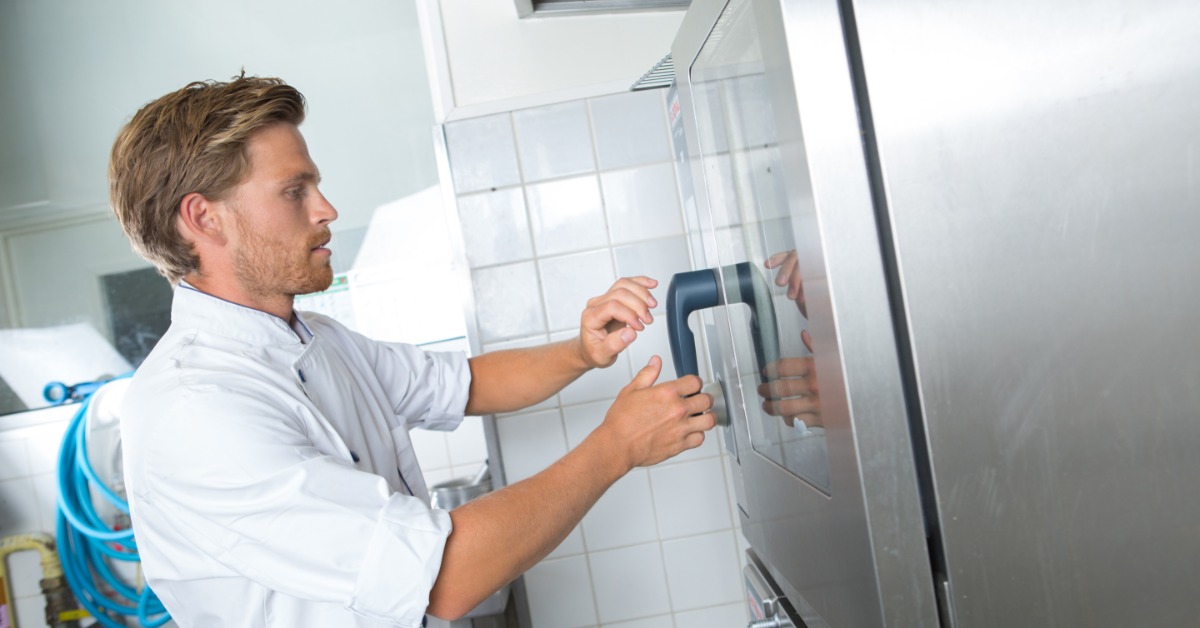
Spotting walk-in cooler door condensation around the frame, threshold, or gasket line is usually a sign that something in the door assembly needs attention rather than something to simply wipe away. In most cases, the moisture points to one of a few common problems:
- Seal failure: Condensation around walk-in cooler door surfaces often points to warm, humid air reaching cold components because the gasket, sweep, door alignment, or another part of the door system is no longer sealing correctly.
- Sanitation concerns: Persistent moisture can create conditions that support mold and microbial growth, especially when water collects in gasket folds, around thresholds, or on nearby surfaces.
- Food safety concerns: Condensate becomes particularly important when it can drip onto exposed food, food-contact surfaces, or food packaging.
- Energy waste: Air leakage through a poorly sealed door can increase refrigeration load, causing the system to operate longer or cycle more frequently to maintain its set temperature.
If your walk-in cooler door frame is constantly sweating, the problem deserves more attention than a quick wipe with a towel. Persistent condensation can indicate a breakdown somewhere in the refrigerated enclosure, particularly around the gasket, sweep, hinges, door closer, frame heater, or surrounding insulation.
At Gaskets Rock International, we focus on helping commercial kitchens maintain dependable refrigeration door seals. Identifying the source of moisture early can help you limit energy loss, protect refrigeration equipment, maintain sanitary conditions, and prevent a small door problem from becoming a larger maintenance issue.
Condensation forms when moist air encounters a surface at or below its dew point. In a warm, humid commercial kitchen, a cold walk-in door frame can therefore collect moisture when outside air reaches surfaces that normally should remain separated from the conditioned interior.
A damaged gasket is one common cause, but it is not the only possibility. Door alignment, worn sweeps, high ambient humidity, damaged insulation, and malfunctioning anti-sweat heaters can all contribute.
Normal Moisture vs. a Persistent Door Problem
Not every drop of moisture means your cooler gasket has failed. Frequent door openings during a busy service period naturally introduce warmer, more humid air into a refrigerated space, and some temporary moisture or frost may result.
What should raise concern is moisture that repeatedly returns while the door remains closed, collects in puddles, forms substantial frost or ice around the opening, or appears alongside visible gasket gaps. Those symptoms suggest that the door assembly deserves closer inspection.
A compromised magnetic gasket can allow a continuous exchange between cooler air and the surrounding kitchen. A damaged door sweep can create a similar problem at the bottom of the opening, while worn hinges can cause an otherwise serviceable gasket to contact the frame unevenly.
If you are dealing with these symptoms, our walk-in cooler gasket replacement service can address worn seals while also helping identify related issues such as sagging doors, damaged sweeps, or uneven gasket contact.
Frost or ice is especially important to investigate. It indicates that moisture is reaching a surface cold enough to freeze and can eventually interfere with proper door operation if buildup becomes significant.
Primary Causes of Walk-In Cooler Door Sweating
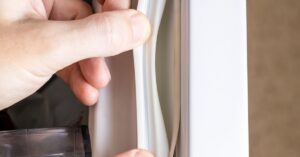
Worn or Damaged Door Gaskets
Door gaskets gradually wear from repeated opening, closing, cleaning, grease exposure, impact, and general commercial use. Depending on the gasket and door design, common signs of deterioration can include:
- Tears or splits in the gasket material
- Flattened or compressed sections
- Brittle, warped, or unusually stiff material
- Loose sections that no longer remain seated
- Heavy grease or debris interfering with gasket contact
- Visible gaps when the door is closed
Once the gasket can no longer maintain consistent contact with the frame, warm and humid air can enter through the opening.
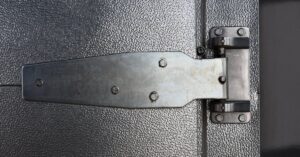
Misaligned Hinges or Door Hardware
A new gasket cannot solve every sealing problem. Worn hinges, damaged hardware, or a sagging door can prevent even a properly sized gasket from contacting the frame evenly.
The door should close squarely and consistently without needing to be slammed or forced. If one corner sits farther from the frame than another, correcting the door alignment may be necessary before or alongside gasket replacement.
Worn Door Sweeps
The bottom of a walk-in door often relies on a sweep or similar sealing component. When that material becomes torn, stiff, incorrectly adjusted, or worn down, humid air can enter beneath the door even if the perimeter gasket is still in usable condition.
Anti-Sweat Heater Problems
Many commercial walk-in doors incorporate anti-sweat heater wire around the frame or threshold. Its purpose is to add enough heat to susceptible surfaces to reduce condensation.
A malfunctioning heater circuit can therefore contribute to sweating even when the gasket appears intact. Walk-in configurations vary, though, so we do not recommend diagnosing an electrical failure simply by touching the frame.
Electrical heater circuits should be checked according to the equipment manufacturer’s specifications by a qualified technician.
High Ambient Humidity
Sometimes the surrounding kitchen environment is a major part of the problem. Dishwashing areas, steam-producing equipment, inadequate exhaust, summer humidity, and frequent exterior-door openings can all raise indoor moisture levels.
The higher the humidity, the higher the dew point becomes. That makes condensation more likely on cooler door surfaces.
Quick Walk-In Cooler Door Checks
We recommend including several simple checks in routine maintenance:
- Inspect the gasket for tears, flattened areas, stiffness, or heavy residue.
- Check whether the door closes completely without being pushed or slammed.
- Look for visible gaps around the gasket when the door is shut.
- Examine the sweep along the bottom of the door.
- Watch for recurring moisture, frost, or ice around the same location.
- Check whether hinges appear loose or the door seems to sag.
- Confirm that recorded cooler temperatures remain within your required range.
If you want a more proactive approach, our commercial refrigeration gasket maintenance program can help identify worn seals before they cause more noticeable operating problems.
The Operational Costs of Ignoring Cooler Door Condensation
A door that leaks warm air places additional heat and moisture load on the refrigeration system. The precise energy impact varies according to the size of the opening, cooler design, door traffic, ambient conditions, refrigeration equipment, and length of time the leak remains present.
That is why we prefer to say that a bad seal can make your refrigeration system run longer or cycle more frequently rather than claiming that every failed gasket forces a compressor to run continuously.
Additional runtime can contribute to unnecessary electricity consumption and equipment wear. While a bad gasket alone does not guarantee compressor failure, maintaining a sound door seal helps your refrigeration system operate under the conditions it was designed to handle.
Potential costs can include:
- Higher refrigeration energy use
- Increased equipment runtime
- Premature wear on refrigeration components
- Emergency service calls if underlying problems worsen
- Difficulty maintaining consistent product temperatures
- Food loss if temperatures ultimately move outside required limits
For commercial kitchens with several pieces of refrigeration equipment, small sealing problems can multiply quickly. We recommend treating gaskets, sweeps, hinges, and door hardware as functional refrigeration components rather than cosmetic accessories.
Food Safety and Sanitation Concerns
Persistent moisture in a food facility should be corrected, especially when condensate can reach food or food-contact surfaces. Wet, difficult-to-clean areas can also create favorable conditions for environmental microorganisms.
FDA enforcement history shows why condensate control matters. In a July 5, 2017 warning letter to K & B Company Inc., FDA inspectors documented condensation that dripped onto uncovered dough and condensation buildup in walk-in freezer fans above finished product. The agency cited the facility under the CGMP regulation then codified at 21 CFR 110.20(b)(4). FDA warning letter documenting condensate contamination hazards
For current human-food manufacturing CGMP requirements, the corresponding facility-construction language is found at 21 CFR 117.20(b)(4). It requires plants to be constructed so that drip or condensate from fixtures, ducts, and pipes does not contaminate food, food-contact surfaces, or food-packaging materials.
Restaurants and other retail food establishments generally operate under state and local food codes rather than being universally regulated as FDA food manufacturing plants. The FDA Food Code serves as a model that jurisdictions may adopt or modify, so you should also follow the specific sanitation requirements enforced by your state or local health authority.
The practical lesson is simple: persistent dripping or pooling should not be ignored simply because the cooler is still holding temperature.
Moisture, Listeria, and Refrigerated Environments
It is reasonable to be concerned about environmental pathogens in chronically wet food areas, but condensation around a door does not automatically mean Listeria monocytogenes is present.
Wet, refrigerated environments can support the persistence or transfer of pathogens when those organisms are present. That is why controlling moisture and maintaining appropriate cleaning procedures both matter.
The distinction is important. Moisture should be corrected because it can contribute to unsanitary conditions, but a wet cooler threshold should not be presented as proof of a specific pathogen problem.
How to Diagnose a Failing Cooler Door Seal
Several simple observations can help you determine whether the door seal deserves professional attention.
The Paper or Dollar Bill Test
Place a dollar bill or strip of paper between the gasket and frame, then close the door. You should feel noticeable resistance when pulling it out.
Repeat the test at multiple points around the door perimeter. An area where the paper slips out much more easily than elsewhere may indicate weak gasket contact or a door-alignment problem.
The test is useful as a screening tool, but it is not a calibrated measurement of air leakage.
Visual Inspection
Look closely for:
- Cracks
- Tears
- Flattened sections
- Warping
- Loose gasket material
- Grease buildup
- Mold or mildew residue
- Areas where the gasket fails to contact the frame
Pay particular attention to corners and the bottom edge, where damage may be easier to overlook.
Light Test
For an opaque door, light visible through the closed perimeter can identify a substantial gap. Keep in mind that the test depends on the door design and surrounding lighting and should be used as an observation rather than a precise diagnostic procedure.
Temperature or Thermal Imaging
An infrared thermometer or thermal camera may help a qualified technician identify unusual temperature patterns around the door.
Temperature differences alone do not prove that the gasket is responsible. Insulation problems, frame construction, heater circuits, and environmental conditions can produce similar patterns.
Why Correct Gasket Fit Matters
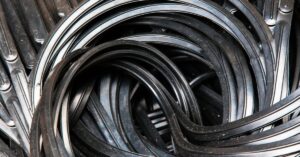
Commercial refrigeration doors use many different gasket profiles, dimensions, attachment methods, and magnetic configurations. Selecting a replacement based only on approximate door dimensions can result in poor contact or installation problems.
Our commercial refrigeration gasket services explain how we measure and supply gaskets for commercial cooler and freezer equipment. We use materials designed for demanding commercial environments, including options built to resist heat, grease, and mold.
We also stand behind our product performance and build our gaskets for long service life in high-use kitchens. Correct fit remains essential regardless of the gasket itself because the wrong profile, uneven installation, or a misaligned door can allow the sealing problem to continue.
Humid Climates and Seasonal Conditions
Climate can influence how readily condensation appears. Warm, humid outdoor conditions generally increase the moisture load entering kitchens, particularly in coastal and southern regions.
A small air leak may consequently produce more noticeable condensation during humid weather than it does during a cooler, drier period. Kitchens with significant steam loads from dishwashers, cooking equipment, and cleaning operations may face similar conditions even in relatively dry climates.
We recommend paying attention to seasonal patterns. A door that begins sweating every summer may have a marginal seal that becomes more noticeable as the ambient dew point rises.
Cold climates can create their own large temperature differences, although the exact condensation behavior depends on where the walk-in is installed and the temperature and humidity on each side of the enclosure.
Steps to Reduce Walk-In Cooler Door Condensation
Keep Gaskets Clean
Clean gasket surfaces regularly using methods approved for the gasket material and equipment. Food residue and grease can prevent proper contact and make physical damage more difficult to spot.
Avoid assuming that stronger chemicals are better. Certain cleaners can damage some elastomers or plastics, so follow the refrigeration or gasket manufacturer’s cleaning recommendations.
Correct Door Alignment Problems
If the door sags, rubs, fails to self-close properly, or requires unusual force to latch, inspect the hinges and closing hardware.
Installing a new gasket without correcting significant alignment problems can shorten the life of the replacement and leave gaps around the frame.
Replace Gaskets That No Longer Seal
A torn, hardened, deformed, or permanently compressed gasket generally cannot perform its intended sealing function reliably.
If your gasket is already compromised, we can measure the equipment and provide the correct replacement without requiring you to guess at the profile or dimensions.
Check the Sweep
Inspect the bottom sweep for gaps, tears, or improper adjustment. Warm air entering beneath the door can create many of the same moisture symptoms as a failed perimeter gasket.
Evaluate Anti-Sweat Heaters Properly
If your door design incorporates anti-sweat heaters and condensation continues despite an apparently good seal, have the heater circuit evaluated according to manufacturer specifications.
Do not bypass, modify, or perform electrical testing on a walk-in heater circuit without appropriate training.
Address Excessive Kitchen Humidity
If multiple cold surfaces throughout your kitchen are sweating, the problem may extend beyond one door gasket.
Exhaust, ventilation, HVAC performance, dishwasher steam, outdoor-air infiltration, and general humidity control may need to be evaluated.
Frequently Asked Questions About Walk-In Cooler Door Condensation
How do I know if my walk-in cooler gasket needs replacement?
Show answer
Look for tears, brittle or flattened sections, warping, loose material, and visible gaps. A paper or dollar bill that slips easily from one section of the closed door can also indicate poor gasket contact, although hinge alignment should be checked before assuming the gasket alone is responsible.
Can a faulty door heater cause condensation?
Show answer
Yes. Walk-in doors equipped with anti-sweat heaters use them to keep susceptible frame or threshold surfaces warm enough to reduce condensation. A failed heater can contribute to sweating, but the electrical system should be tested according to the manufacturer’s specifications rather than diagnosed by touch alone.
Is condensation in a walk-in cooler a health risk?
Show answer
Condensation itself does not mean food is contaminated. The concern increases when water pools in difficult-to-clean areas or drips onto exposed food, food-contact surfaces, or packaging.
How often should walk-in cooler gaskets be inspected?
Show answer
We recommend frequent visual inspections in high-use commercial kitchens. There is no universal rule requiring gasket replacement on a fixed calendar, so condition and sealing performance are better indicators than age alone.
What Causes Walk-In Cooler Door Condensation?
Show answer
Common possibilities include high ambient humidity, an ineffective door seal, damaged insulation, thermal bridging, or a malfunctioning anti-sweat heater if the door uses one. More than one factor may need to be evaluated before the cause becomes clear.
Does condensation automatically mean the gasket is bad?
Show answer
No. A failed gasket is a common possibility, but it is not the only cause. Door alignment, sweeps, frame heaters, insulation, kitchen humidity, and repeated door openings should also be considered.
Stop Walk-In Cooler Condensation at the Source
Persistent condensation around a cooler door is a maintenance signal worth investigating. A compromised seal can allow additional heat and moisture into refrigerated space, increase the cooling load, contribute to frost or moisture accumulation, and make temperature control more difficult.
A properly fitted gasket is one part of the solution, but the entire door system matters. Hinges, closers, sweeps, heaters, frame condition, and kitchen humidity can all affect what happens around the opening.
We manufacture and install commercial refrigeration gaskets for hard-working kitchens and foodservice operations. Our local teams can measure your equipment on-site, identify the correct gasket dimensions, and help restore a dependable seal without forcing you to track down model numbers or guess at replacement parts.
We also back our gaskets with our service commitment and focus on materials designed to withstand the grease, heat, cleaning, and daily wear found in commercial kitchens.
For service questions, scheduling, or a commercial gasket quote, contact Gaskets Rock. You can also call us at (800) 790-9284.