

In commercial refrigeration and industrial machinery, the humble gasket often goes unnoticed until a failure occurs. These strips of material serve as the primary defense against energy loss, contamination, and temperature fluctuation, yet many facility managers overlook their importance during routine maintenance checks. When a seal fails, the consequences ripple outward immediately, causing compressors to overwork, energy bills to spike, and sensitive products to spoil rapidly.
The decision to replace a worn seal represents more than just a simple repair task; it constitutes a strategic investment in the longevity and efficiency of your entire operation. Selecting the correct replacement involves far more than just matching a part number or estimating a size with a tape measure. You must consider the specific environmental conditions the seal will face, such as exposure to harsh chemicals, extreme temperature swings, or frequent physical impact from staff and equipment.
The market floods buyers with cheap alternatives that promise performance but deliver disappointment, often failing within weeks of installation. A high-quality gasket maintains its shape, adheres firmly to the door frame, and resists the growth of mold and bacteria that can threaten health inspections. These tips for choosing high-quality replacement gaskets will teach you how to differentiate between premium materials and substandard imitations.
Accurate Measurement Techniques Matter
Precise measurements prevent the frustration of ordering parts that fail to seal the unit. You should measure from outside edge to outside edge to capture the full dimensions. Small errors in measurement often lead to air leaks that compromise the entire system.
Always use a rigid metal tape measure rather than a flexible cloth tape measure. The rigid tape allows you to press firmly against the corners for exact numbers. Record your findings immediately to avoid confusion when you search for the correct part.
Identifying the Correct Profile Shape
Gasket profiles vary significantly between different manufacturers and even between models from the same brand. You must examine the cross-section of your current seal to identify its unique shape. Some profiles snap into a track, while others screw directly into the door panel.
Take a clear photograph of the seal profile before you discard the old unit. This visual reference helps suppliers confirm they provide the exact match for your equipment. A mismatch in profile shape results in a seal that cannot close or lock properly.
Understanding Material Composition Differences
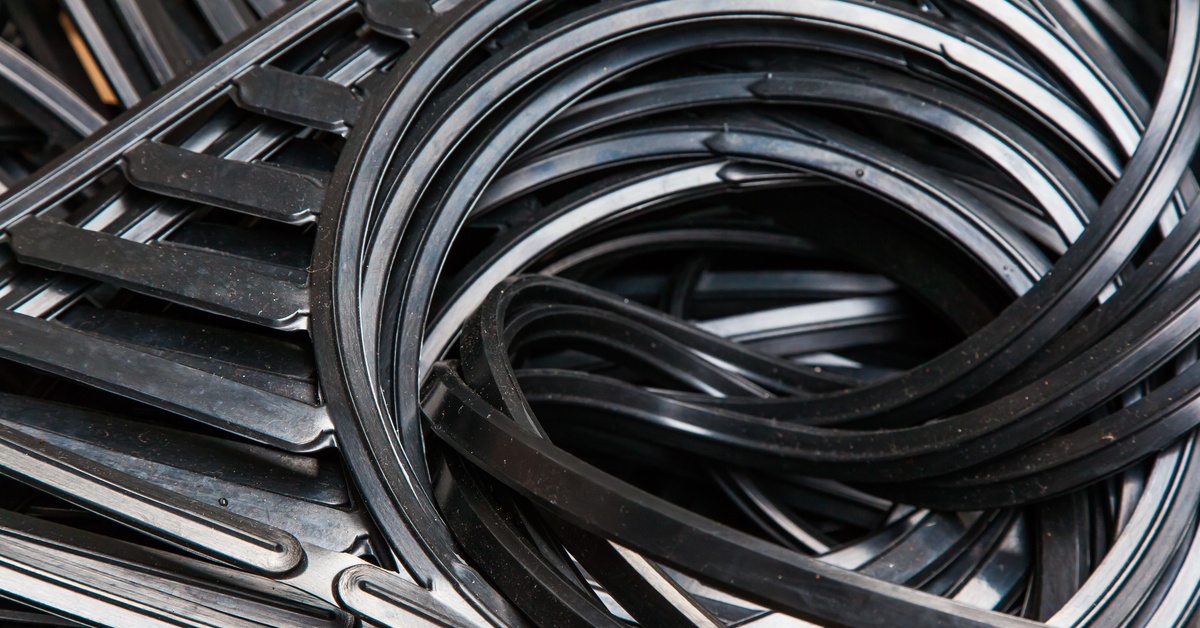
PVC remains the standard choice for most commercial refrigeration seals due to its flexibility. Manufacturers formulate this plastic to withstand cold temperatures without becoming brittle or cracking under stress. You must verify that the specific PVC blend matches your operational temperature requirements exactly.
Rubber compounds offer superior resistance to heat and chemicals compared to standard plastic options. These materials excel in environments where grease or harsh cleaners frequently contact the door seal. A premium walk-in cooler door gasket replacement will ensure proper hygiene standards remain intact for a compliant environment.
Checking for Welded Corner Quality
Factory-welded corners provide a superior seal compared to gaskets assembled with glue or adhesive. The welding process fuses the material together to create a seamless barrier against air infiltration. Inspect the corners of potential replacements for smooth, strong joints without visible gaps.
Glued corners often fail under the stress of repeated door openings and temperature fluctuations. Once a corner splits, the structural integrity of the entire gasket fails almost immediately. Always prioritize gaskets that feature heat-welded corners for maximum durability and long-term performance.
Assessing Resistance to Mold Growth
Microbial growth on door seals poses a significant health risk in food service environments. Manufacturers now add antimicrobial agents to the gasket material to inhibit fungi and bacteria. You should seek out these specialized materials to maintain a sanitary kitchen or workspace.
Mold degrades the material structure of the gasket and causes it to rot prematurely. Regular cleaning helps, but resistant materials provide a passive defense that works constantly. Ask your supplier specifically about antifungal additives included in the material composition.
Evaluating Magnetic Strength Requirements

The magnet inside the gasket holds the door shut against the pressure of the closure. Weak magnets allow warm air to infiltrate the cabinet and spoil the contents inside. You must test the magnetic pull of the replacement to guarantee a tight closure.
One of the main characteristics of high-quality replacement gaskets is that they use continuous magnetic strips that run the full length of the seal. Cheaper alternatives often use segmented magnets that leave gaps for air to leak through. Ensure the replacement part specifies the magnetic strength appropriate for your specific door weight.
Verifying Manufacturer Compatibility Standards
Original Equipment Manufacturer (OEM) parts guarantee a perfect fit but often cost significantly more. Aftermarket parts can offer similar quality at a lower price if you choose carefully. You must research the reputation of aftermarket brands to avoid purchasing substandard imitation products.
Some generic gaskets claim universal fit but rarely perform as well as specific models. These universal options often require modifications that weaken the seal and reduce its lifespan. Stick to parts designed explicitly for your equipment model to ensure optimal performance.
Inspection of Compression and Recovery
A good gasket compresses when the door closes and recovers its shape upon opening. This elasticity allows the seal to adapt to minor imperfections in the door alignment. Test the sample material to see how quickly it bounces back after you squeeze it.
Materials that remain flat after compression will fail to seal the unit effectively over time. The constant cycle of compression requires a material with high memory and resilience properties. Avoid gaskets that feel stiff or plastic-like, as they lack the necessary flexibility.
Warranty and Performance Guarantees
Reputable suppliers stand behind their products with warranties that cover defects in materials and workmanship. A warranty indicates the manufacturer trusts the durability and performance of their gasket products. Read the fine print to understand what the warranty covers and for how long.
Cheap gaskets rarely come with any form of guarantee or protection for the buyer. If the part fails within a month, you must purchase another one immediately. Investment in warranted parts saves money and reduces frustration in the long run.
The selection of a replacement gasket dictates the efficiency and safety of your refrigeration equipment. It serves as the silent guardian of your inventory, your energy usage, and your health inspection scores. While it might seem tempting to select the cheapest option available to save immediate funds, the long-term costs of energy loss and food spoilage far outweigh the initial savings.
Take the time to measure twice, verify the profile, and vet the supplier before purchase. When you prioritize quality and precision in these small components, you protect the larger investment of your entire facility. Make the choice to invest in superior seals today for a more efficient tomorrow.