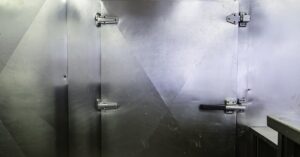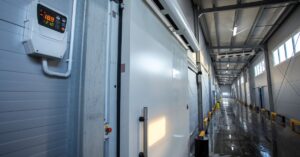

A well-maintained refrigeration system supports food safety, energy efficiency, and operational reliability across commercial environments that rely on consistent temperature control. Many operators overlook small components such as gaskets, yet these seals play a direct role in system performance and long-term expenses. When a gasket fails, cold air escapes, compressors work harder, and utility costs rise without immediate notice from busy staff.
Preventative maintenance offers a proactive path that reduces avoidable costs and extends equipment life across demanding service conditions. Through regular inspection and timely replacement, businesses can avoid sudden failures that disrupt service and strain budgets during peak demand periods. Learning about the cost savings for preventative gasket maintenance will help enhance operational efficiency and environmental responsibility.
Understanding Gasket Function in Refrigeration Systems
Gaskets form a tight seal between the door and frame, preventing warm air entry and maintaining stable internal temperatures across refrigeration units. A proper seal reduces strain on compressors and fans, ensuring efficient operation and consistent cooling performance across storage environments. Without an effective gasket, even a well-designed unit loses efficiency, leading to higher energy consumption and increased wear on mechanical components.
Temperature stability protects stored goods from spoilage and preserves product quality across sensitive inventory such as dairy, produce, and prepared meals. A compromised seal allows humidity and heat infiltration, creating uneven cooling zones that reduce shelf life and increase waste. Businesses that maintain gasket integrity protect product value and customer trust through reliable storage conditions.
Energy Efficiency and Utility Cost Reduction
Energy costs represent a major portion of operating expenses for facilities that rely on refrigeration systems throughout daily operations. When gaskets degrade, systems consume more electricity to maintain set temperatures, increasing monthly utility bills without obvious warning signs. Preventative maintenance ensures seals remain intact, reducing energy waste and stabilizing operational costs over time.
Efficient systems also reduce carbon output, supporting sustainability goals that many organizations now prioritize across operations and public commitments. A well-sealed unit operates with less effort, reducing load on compressors and extending the lifespan of essential components. Lower energy demand translates into measurable financial savings that accumulate steadily across months and years.
Preventing Product Loss and Waste
Food spoilage results in direct financial loss and potential health risks, making proper refrigeration essential for any business handling perishable goods. Faulty gaskets allow temperature fluctuations that compromise food safety standards and increase the likelihood of discarded inventory. Preventative maintenance helps maintain consistent cooling conditions that preserve product quality and reduce waste.
Reduced waste improves profitability and supports responsible resource use within industries that handle large volumes of perishable goods. Businesses that prioritize maintenance protect inventory investments and avoid frequent replacement costs tied to spoilage incidents. Reliable refrigeration conditions also help meet regulatory standards, reducing the risk of fines or compliance issues.
Extending Equipment Lifespan
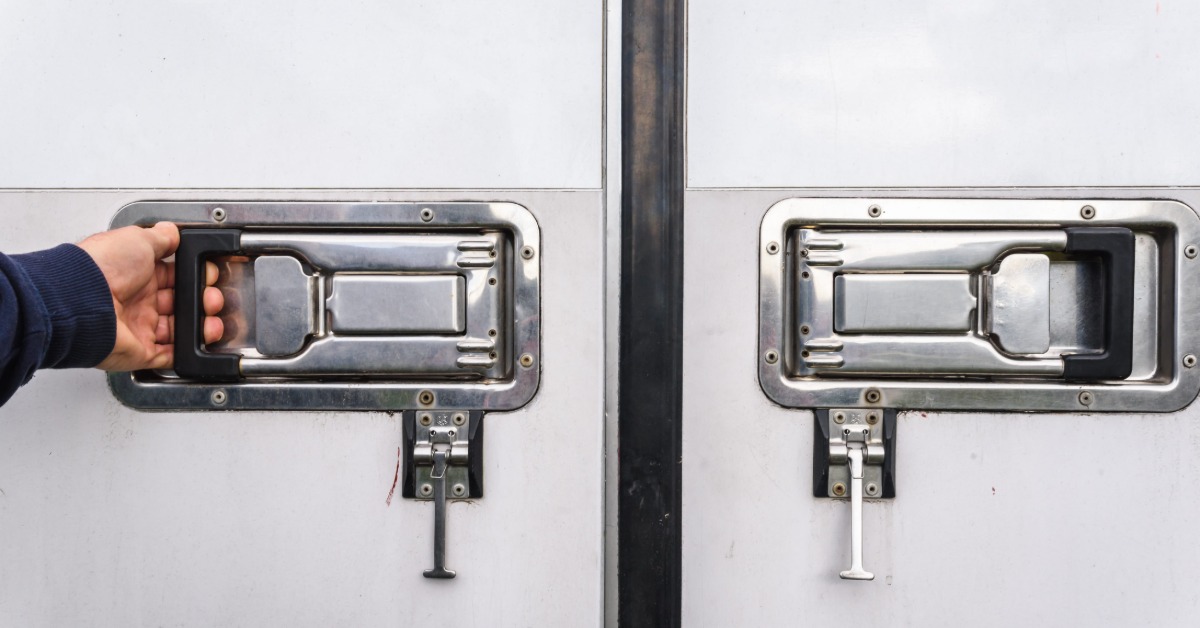
Refrigeration systems require significant capital investment, making longevity a key factor in overall cost management strategies for many organizations. Worn gaskets force systems to work harder, accelerating wear on compressors, motors, and other mechanical components. Preventative maintenance reduces unnecessary strain, allowing equipment to operate within optimal performance ranges.
Extended equipment life delays costly replacements and reduces the frequency of major repairs that disrupt operations and require substantial financial resources. A well-maintained system delivers consistent performance across years, offering better return on initial investment. Businesses benefit from predictable maintenance schedules instead of unexpected breakdowns that demand urgent and expensive solutions.
Labor Efficiency and Operational Stability
Unexpected equipment failure disrupts workflows and forces staff to divert attention from core responsibilities toward urgent repair coordination and product relocation. Preventative gasket maintenance reduces these disruptions, allowing teams to focus on service quality and operational efficiency. Stable refrigeration systems support smoother daily operations and reduce stress on employees.
Consistent performance also improves planning and scheduling, as businesses can rely on equipment to function without sudden interruptions. Maintenance routines become predictable tasks rather than emergency responses that strain resources and timelines. This stability contributes to a more efficient workplace environment that supports long-term productivity goals.
Compliance with Health and Safety Standards
Regulatory standards require strict temperature control for food storage, pharmaceuticals, and other sensitive products that demand consistent environmental conditions. Faulty gaskets can lead to temperature deviations that place businesses at risk of noncompliance with health regulations. Preventative maintenance ensures systems meet required standards and avoid costly penalties.
Maintaining compliance protects brand reputation and builds trust with customers who expect safe and reliable products from responsible providers. Inspections become less stressful when equipment performs as expected and meets established guidelines. A proactive maintenance approach supports legal compliance and customer confidence across operations.
Strategic Investment in Quality Components
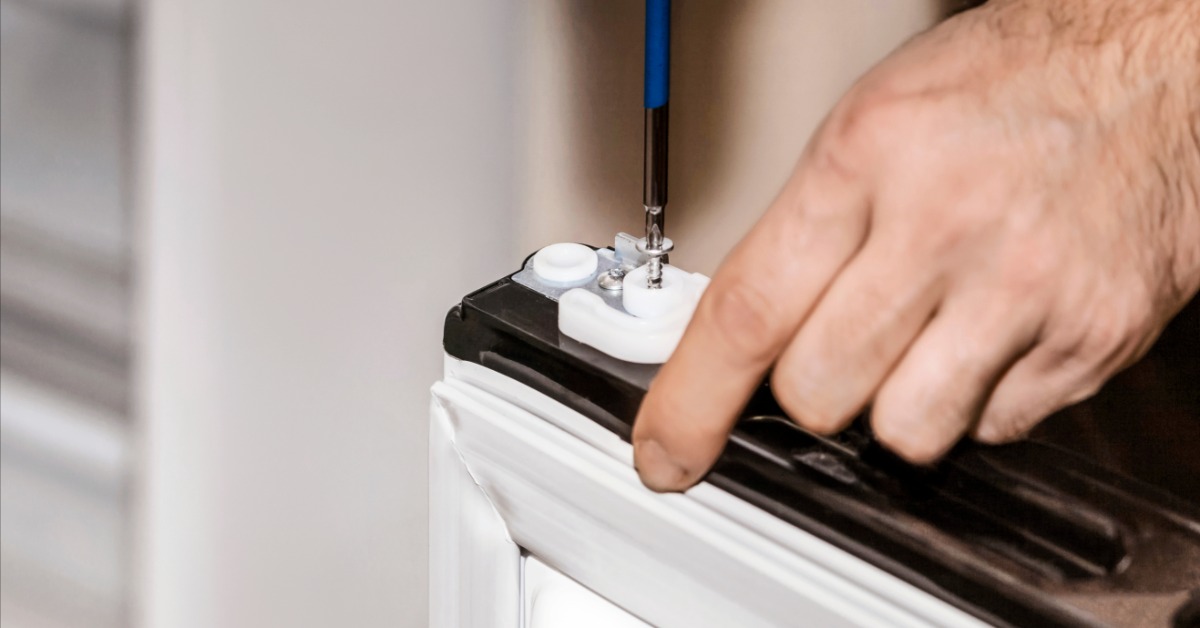
High-quality components provide better durability and performance, reducing the frequency of replacement and associated labor costs across maintenance cycles. Investing in high-quality walk-in cooler gaskets is the best way to ensure reliable sealing performance and cost efficiency. Superior materials resist wear and maintain flexibility, supporting consistent operation across demanding conditions.
Strategic investment in durable parts supports overall system performance and reduces the total cost of ownership across the equipment lifecycle. Businesses benefit from fewer maintenance interruptions and improved reliability across refrigeration systems. Quality components form a foundation for effective preventative maintenance strategies that deliver measurable financial returns.
Minimizing Emergency Repair Costs
Emergency repairs often cost more than scheduled maintenance due to urgent service fees, expedited parts, and operational disruptions that accompany unexpected system failure. Preventative gasket care reduces the likelihood of sudden breakdowns that require immediate attention and higher financial outlay. Planned maintenance allows businesses to manage costs more effectively and avoid financial surprises.
A structured maintenance plan enables better budgeting and resource allocation, as expenses become predictable rather than reactive. Businesses can schedule service during low activity periods, minimizing impact on operations and revenue. This approach supports financial stability and reduces the stress associated with emergency repairs.
Enhancing Environmental Responsibility
Energy efficiency and waste reduction contribute to environmental responsibility, an important consideration for organizations that seek sustainable operational practices. Well-maintained gaskets reduce energy consumption and limit unnecessary strain on refrigeration systems. This efficiency lowers carbon output and supports broader sustainability initiatives across industries.
Reduced product waste also conserves resources, as fewer goods require disposal due to spoilage caused by temperature inconsistencies. Businesses that adopt preventative maintenance demonstrate commitment to responsible practices that benefit the environment and operational success. Sustainability efforts often align with cost savings, creating dual benefits for organizations.
The cost savings of preventative gasket maintenance offer a clear path toward improved efficiency and enhanced reliability within refrigeration systems that support essential business operations. Small components such as gaskets often go unnoticed, yet their impact on energy consumption and equipment lifespan remains significant. Businesses that adopt proactive maintenance strategies protect their investments and avoid unnecessary expenses that accumulate over time.
Through regular inspection, timely replacement, and investment in quality components, organizations achieve consistent performance and operational stability. The cost savings associated with preventative gasket maintenance extend beyond immediate expenses, delivering lasting value across every aspect of business performance.