
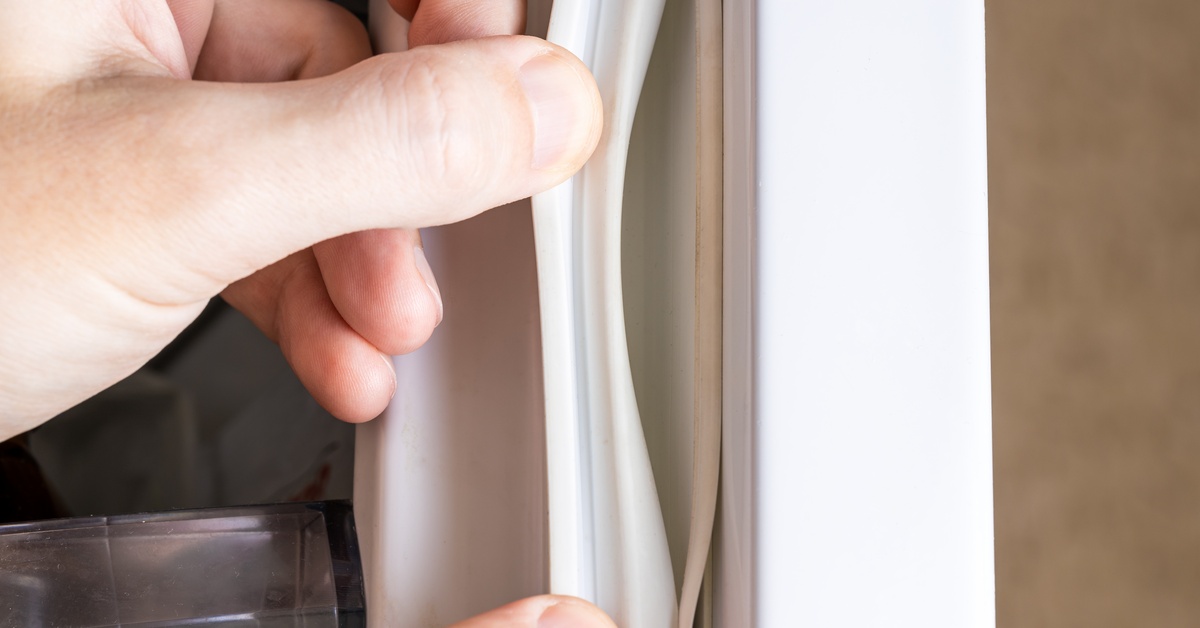
A walk-in cooler is the heart of many commercial kitchens, as it helps preserve thousands of dollars’ worth of inventory. Its performance directly impacts food safety, energy consumption, and the profitability of your business. Many components work together to maintain the optimal temperature, but one of the most critical is the gasket.
This simple seal around the door prevents cold air from escaping and warm, moist air from entering. When the gasket fails, it sets off a chain reaction of problems that can be costly, disruptive, and damaging to the efficiency of your kitchen.
Recognizing the warning signs your walk-in cooler needs a new gasket is essential for proactive maintenance and ensuring a reliable performance. A compromised seal forces the refrigeration system to work harder, which can lead to increased energy bills and premature wear on expensive components, such as the compressor.
Visible Cracks or Tears
You should regularly inspect the entire seal for any cracks, splits, or tears. These breaks create direct pathways for air to exchange between the cooler and the kitchen. This damage often occurs from regular wear, accidental impact, or cleaning with harsh chemicals.
As the material ages, it naturally becomes brittle and loses its original flexibility. This process makes the gasket more susceptible to developing significant physical damage over time; even small tears can compromise the integrity of the seal. Ignoring these visible flaws will lead to greater energy loss, reduced appliance efficiency, and potential food spoilage.
Condensation or Frost Buildup
Condensation or frost buildup occurs when warm, moist air seeps into a cooler environment due to a compromised seal around the door. This moisture condenses upon contact with the cold interior or, in more severe cases, freezes, leading to layers of frost forming around the door frame. This accumulation can create several issues, such as making the door harder to open, damaging the door frame, and forcing the cooling system to work harder.
Frost buildup is often a sign of a significant and persistent breach in the gasket’s seal, allowing the mixing of warm and cold air. To prevent this, it is essential to ensure that the gasket keeps the two air masses separate and is in optimal condition to maintain the cooler’s efficiency.
Hardened or Brittle Texture
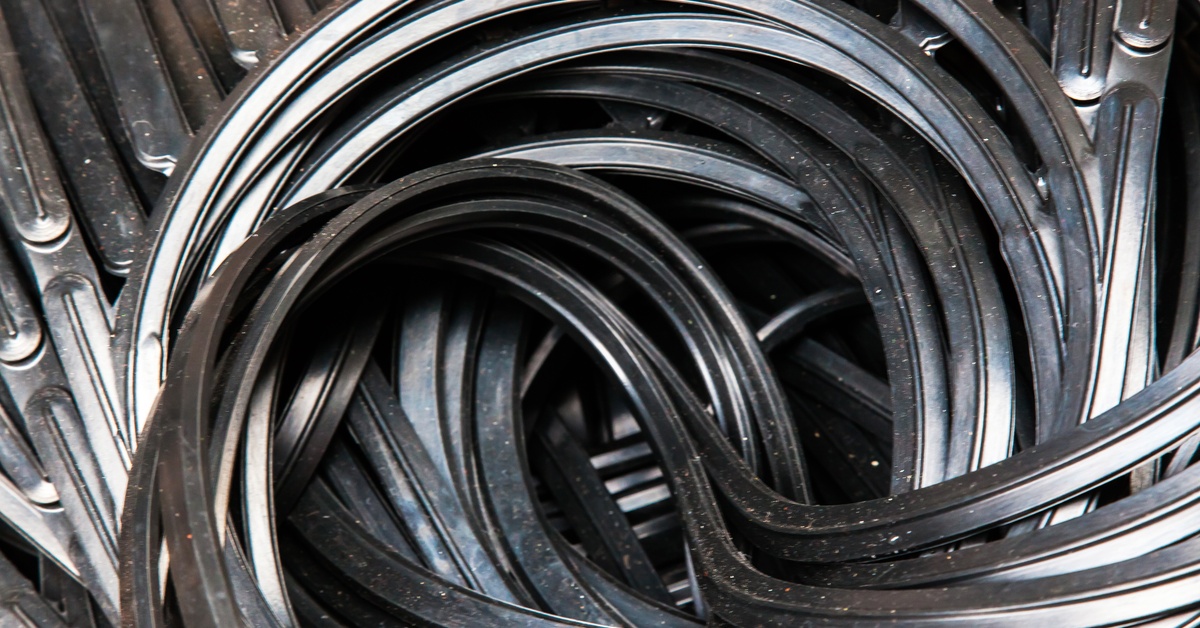
A healthy gasket should feel soft, pliable, and slightly spongy to the touch. This flexibility allows it to create a perfect, airtight seal when the door closes. Over time, exposure to temperature fluctuations and cleaning agents causes the material to harden.
If the gasket feels stiff, brittle, or inflexible, it can no longer compress properly. A rigid gasket will leave gaps that allow cold air to constantly leak out. It is an unmistakable sign that the material reached the end of its useful life.
Mold or Mildew Growth
The presence of mold or mildew on the gasket is a significant concern for food safety because this growth occurs due to the constant collection of moisture from a poor seal. Dark specks or discolored patches are clear visual cues that you have a problem. This creates an unsanitary environment that can contaminate the food stored inside your cooler.
Besides being a health hazard, mold can also accelerate the degradation of the gasket material. It eats away at the rubber or vinyl, creating more weak spots and breaches. Regular cleaning is important, but if mold keeps returning, the failing seal is the root cause, so you must replace it immediately.
Difficulty Closing the Door
When the gasket is damaged, it can physically block the door from aligning and latching as it should, turning a simple action into a frustrating challenge for staff members. If the gasket is magnetic and its magnetic properties deteriorate over time, it can no longer pull the door firmly against the frame during the final stages of closing.
This often leads to the door failing to seal correctly and even popping back open after an attempt to close it. Without a reliable, airtight seal, the unit’s efficiency and functionality will diminish, which can lead to potential safety and energy issues.
Fluctuating Temperatures Inside the Cooler
The purpose of your walk-in cooler is to maintain a consistently cold temperature at all times. If you notice the internal thermometer showing frequent or wide temperature swings, check the gasket for signs of wear. A leaky seal allows warm air to flow in, forcing the temperature to rise; this causes the system to cycle on more frequently to compensate.
These fluctuations put your perishable inventory at risk of spoilage and bacterial growth. They also place an enormous strain on the compressor and other expensive mechanical components. You must address this issue promptly to protect your inventory and your cooling equipment.
Higher Than Normal Energy Bills

A sudden and unexplained increase in your utility bills can often be a sign of equipment failing. Your walk-in cooler is one of the biggest energy consumers in a commercial kitchen; when the gasket fails, the compressor must run almost continuously to maintain the desired temperature. This constant operation draws a significant amount of electricity, which directly impacts your costs.
If you don’t see any other problems, then a leaky gasket is a prime suspect. Tracking your energy usage can provide an early warning that your cooler is inefficient. Investing in a high-quality commercial refrigerator gasket replacement is the best solution to reduce this unnecessary energy waste and lower your monthly operational expenses.
The “Dollar Bill Test” Failure
A simple yet effective way to check your gasket’s seal is the dollar bill test. Place a dollar bill between the gasket and the door frame, then close the door and try to pull the bill out; you should feel significant tension or resistance. A good seal will grip the bill tightly, making it very difficult to remove.
Repeat this test at several points around the entire perimeter of the door. If the bill slides out easily from any spot, you have found a gap. This test provides tangible proof that your gasket is no longer creating a complete seal.
Audible Air Leaks
In some cases, you may be able to hear the effects of a failing gasket. When the cooler’s fans are running, stand outside the closed door and listen carefully; you may hear a faint whistling or hissing sound coming from the edge of the door. This noise comes from air forced through the small cracks in the seal.
This noise is one of the clearest signs your walk-in cooler needs a new gasket, as it confirms that air is escaping the cooler. The sound is most noticeable when the pressure difference between inside and outside is greatest. While it may not be present in all cases, hearing an air leak is an urgent sign that repairs are needed.
The gasket on your walk-in cooler is a small component that plays a huge role in the unit’s overall function, safety, and efficiency. From spoiled inventory and food safety risks to soaring energy bills and expensive equipment repairs, the costs of a bad seal far outweigh the price of a replacement.
Regularly inspect your gasket for the telltale signs of wear, such as cracks, brittleness, and condensation, which allow you to catch problems early. A healthy gasket is a fundamental aspect of responsible kitchen management, which protects your products, equipment, and bottom line.