
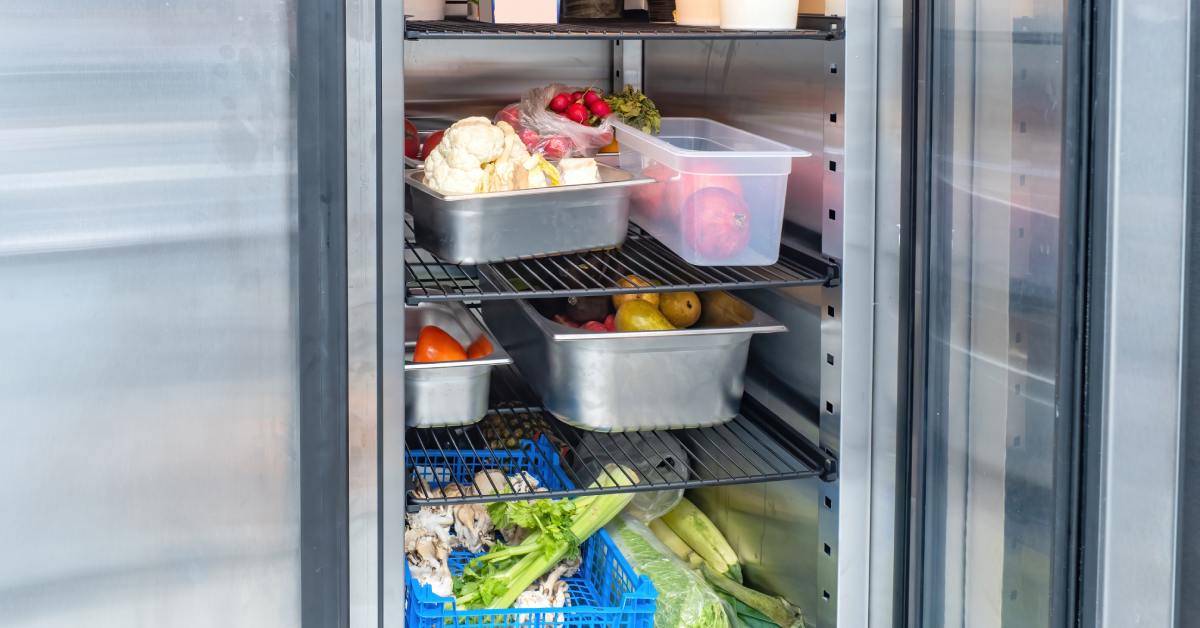
Walk-in coolers are essential equipment for many businesses that depend on reliable cold storage. These units protect thousands of dollars in perishable inventory, from food service to pharmaceuticals. A seemingly minor component, the door hinge, plays a significant role in the cooler’s overall function.
When hinges wear down, they create a chain reaction of problems that can become severe. Overlooking this situation often leads to expensive repairs and operational disruptions for your business. Understanding how worn hinges can lead to costly walk-in cooler repairs will help you prevent unexpected costs.
These small parts can cause major mechanical failures and financial strain. Proper maintenance and timely replacement are your best defenses against these avoidable equipment problems.
Increased Energy Consumption
Worn hinges prevent the walk-in cooler door from sealing correctly against the frame. This gap allows cold air to escape continuously from the refrigerated space. The refrigeration system then must work harder to maintain the set internal temperature.
This constant operation draws significantly more electricity than a properly sealed unit. Your business will see a noticeable rise in monthly utility expenses as a direct result. These elevated energy costs represent a slow but steady drain on your operational budget.
Compromised Product Safety
Compromised product safety due to fluctuating temperatures can lead to severe consequences. Items such as fresh produce, dairy, and meats rely on stable cold storage conditions to maintain their quality and prevent contamination. Without these conditions, harmful bacteria can multiply rapidly, leading to spoiled inventory that poses serious health risks if consumed.
This results in significant financial losses from discarded product, jeopardizes consumer trust, and tarnishes your business’s reputation. Distributing unsafe products can lead to legal liabilities, regulatory penalties, and long-term damage to your brand credibility. The critical role of temperature control highlights the need for regular equipment maintenance and prompt repair to safeguard product safety and quality.
Strain on the Compressor
The compressor is the heart of your walk-in cooler’s refrigeration system. When cold air leaks out, the compressor must run almost nonstop to compensate. This excessive workload places tremendous strain on the motor and its various mechanical parts.
Continuous operation accelerates wear and tear on the entire compressor assembly. A component designed for cyclical operation suffers when it cannot rest between cycles. This constant stress significantly shortens the compressor’s expected operational lifespan, which leads to failure.
Condensation and Ice Buildup
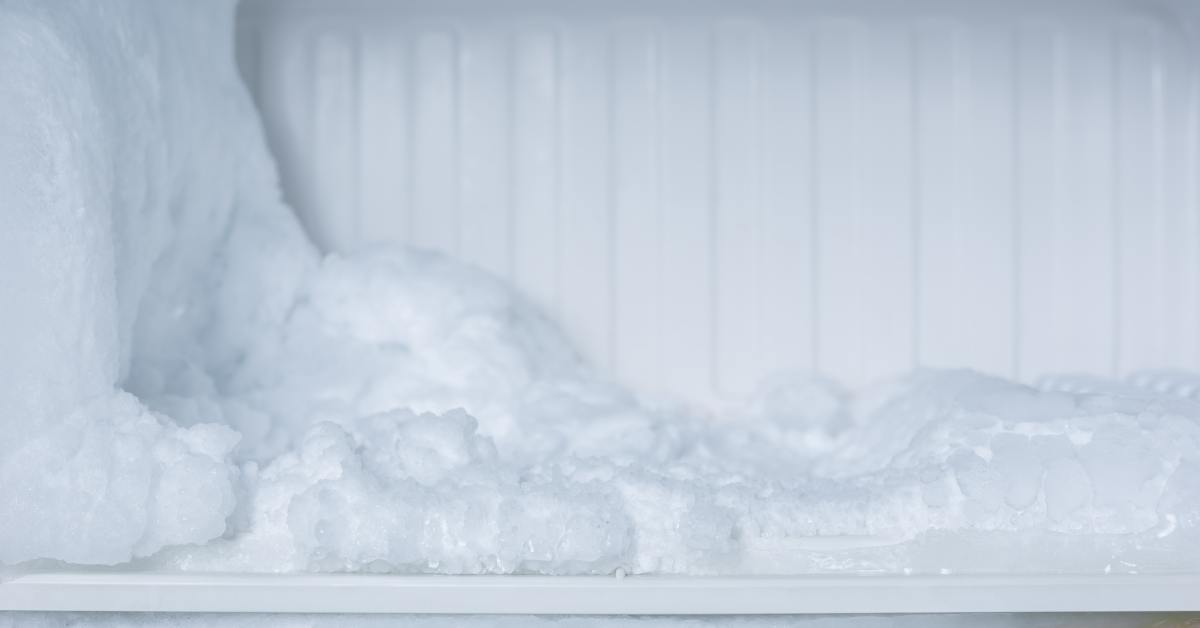
Warm, moist air from the outside infiltrates the cooler through a poorly sealed door. This moisture condenses on the cold surfaces inside, such as walls and evaporator coils. Over time, this condensation will freeze and form layers of unwanted ice.
Ice buildup reduces the efficiency of the evaporator coils, which impairs the cooling process. It can also create slip hazards on the floor for employees who enter the unit. This buildup indicates a serious breach in the cooler’s insulated envelope caused by hinge failure.
Damage to Door Seals and Gaskets
A walk-in cooler door that sags due to a faulty hinge puts uneven pressure on gaskets. This misalignment causes the flexible seal to stretch, tear, or become permanently compressed. The door can no longer create an airtight closure, even if you later fix the hinge.
Damaged gaskets exacerbate the problem of air leakage, which compounds the other issues. You will need to replace the gaskets, in addition to the hinges, to restore functionality. This oversight adds another layer of repair costs that you could have easily avoided.
Structural Damage to the Door
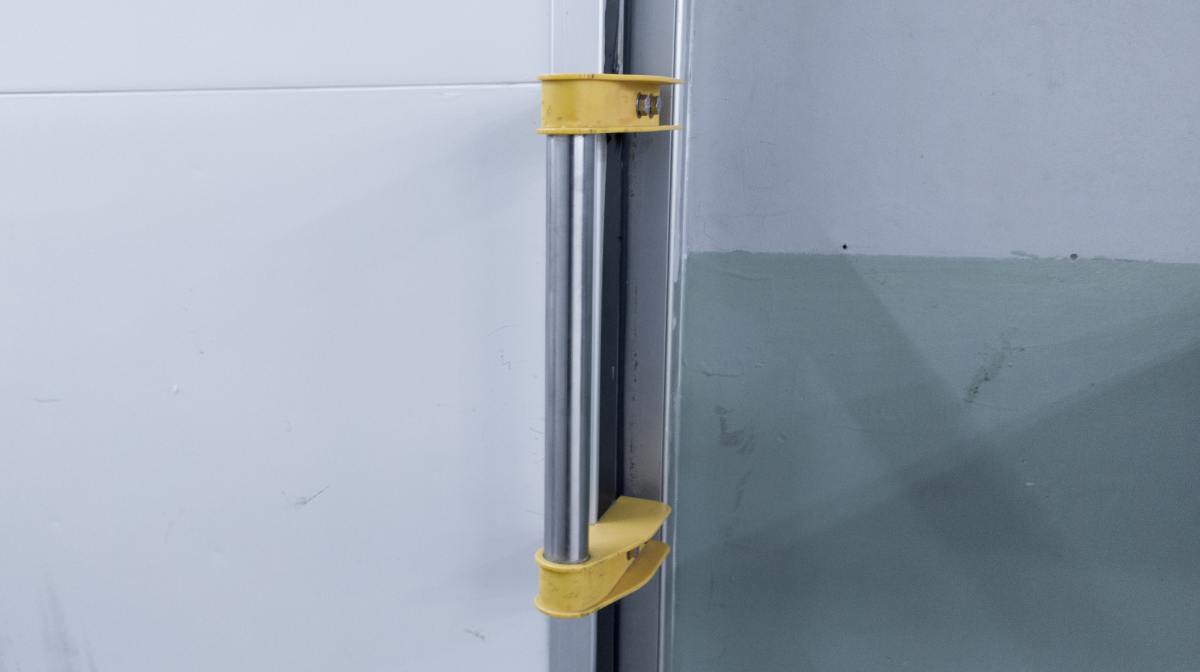
A door that does not hang correctly puts stress on the door panel itself. The constant misalignment can warp the door or even cause cracks in its structure. Over time, the door may become difficult to open or close, which affects daily operations.
In severe cases, the entire door assembly may require complete replacement due to extensive damage. This repair is much more expensive and disruptive than a simple hinge replacement. Attentive care for the hinges will protect the entire door structure from this harm.
Warped Door Frames
The weight of a sagging door also transfers stress to the walk-in cooler’s frame. This sustained force can cause the door frame to bend or warp out of shape. A distorted frame makes it impossible for any door, new or old, to seal correctly.
Repairing a warped frame is a complex, costly job that involves structural work. Working with a professional commercial refrigerator door hinge replacement company ensures proper alignment for optimal results. Proper hinge function protects the door and its foundation from costly damage.
Unpleasant Odors and Mold Growth
The combination of moisture intrusion and inconsistent temperatures creates a perfect environment for mold. Spores can grow on walls, shelves, and even on the products stored inside. This growth produces unpleasant, musty odors that can permeate the entire cooler space.
Mold poses a direct threat to the safety and quality of your stored inventory. Its presence necessitates a deep clean and sanitization, which adds to your operational downtime. These are serious secondary consequences that stem directly from a simple worn-out hinge.
Potential for Pest Infestations
Worn hinges can lead to costly cooler repairs and sanitation issues, especially because small gaps around a poorly sealed door serve as an open invitation for pests. Insects and rodents can easily find their way into the cooler to access food. A pest infestation creates an unsanitary environment and can lead to major health code violations.
Eradication of pests requires professional extermination services and extensive cleanup efforts. You also risk the loss of all contaminated inventory, a significant financial blow. A well-sealed door is your first line of defense against unwanted pest intrusions.
Increased Repair Frequency
Every single issue contributes to a higher frequency of service calls for your cooler. You will spend more time and money on reactive repairs instead of proactive maintenance. These frequent breakdowns disrupt business operations and can frustrate your staff and customers.
A walk-in cooler that constantly needs attention becomes a liability rather than an asset. Timely hinge replacement helps break this expensive cycle of repeated mechanical failures. It is a small investment that offers a substantial return through improved equipment reliability.
The health of your walk-in cooler’s door hinges directly impacts your bottom line. Worn hinges initiate a cascade of problems, from higher energy bills to complete system failure. Issues such as poor seals, compressor strain, and moisture buildup all stem from this single component.
Proactive maintenance is a far more cost-effective strategy than reactive repair. Regularly inspect your cooler’s hinges and address any signs of wear without delay. This simple action will protect your equipment, your inventory, and your business’s financial health.