
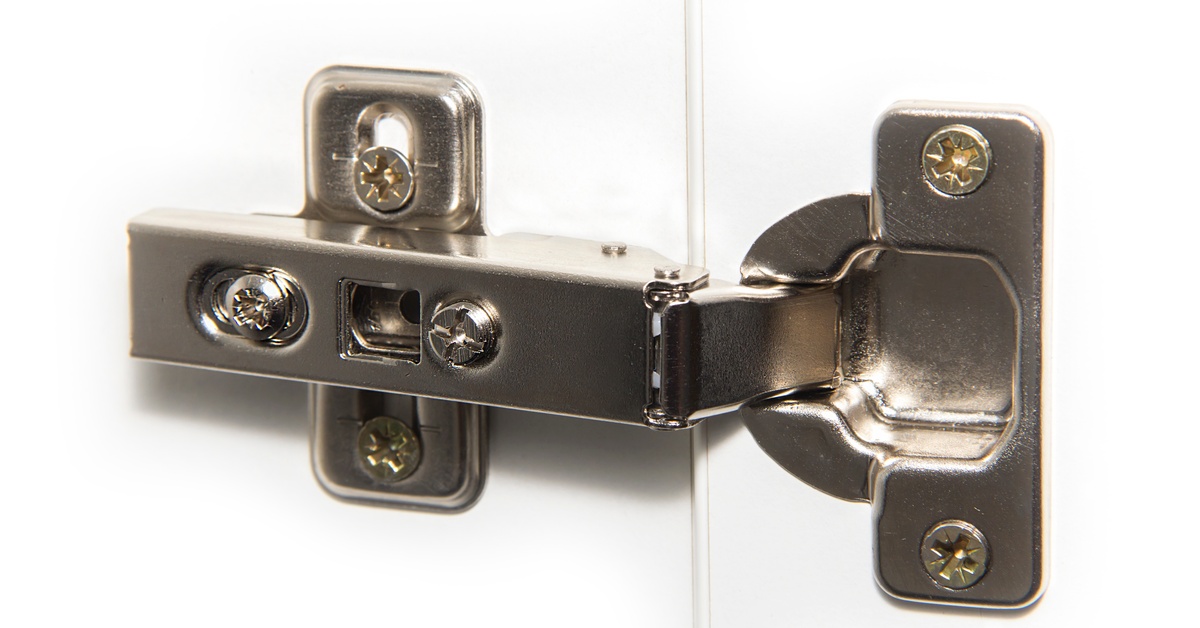
Walk-in cooler hinges are fundamental components that ensure the operational integrity of commercial refrigeration units. These mechanisms support heavy doors, facilitate frequent access, and maintain a consistent internal environment. Over time, constant use and exposure to temperature fluctuations cause wear and degradation.
Business owners must recognize the subtle signs that a walk-in cooler’s hinges need replacing to prevent more significant problems that could lead to expensive repairs. A compromised hinge can lead to energy waste, food spoilage, and potential safety hazards. Understanding these signs helps you maintain your equipment, protect your inventory, and manage operational costs more efficiently.
Visual Wear and Tear on Hinge Components
You should perform regular visual checks of all your walk-in cooler door hardware. Look for cracks, fractures, or obvious separation in the hinge’s metal components. Damaged hinges cannot support the heavy door load, which leads to further complications.
Notice any loose screws or bolts that secure the hinge to the door frame. Hardware that does not remain tight indicates stripped threads or structural stress on the unit. These issues require immediate attention to prevent complete door failure and subsequent operational downtime.
Difficulty Opening or Closing the Door
A properly functioning cooler door should open and close with minimal effort from staff. You may observe increased resistance or a need for extra force to operate it. This stiffness often points to internal friction or misalignment within the hinge mechanism.
When a door feels unusually heavy or catches at certain points, examine the hinges. The components may have lost their lubrication or sustained damage from extensive use. Such operational issues signal that the hinges no longer function as they should.
Misalignment of the Cooler Door
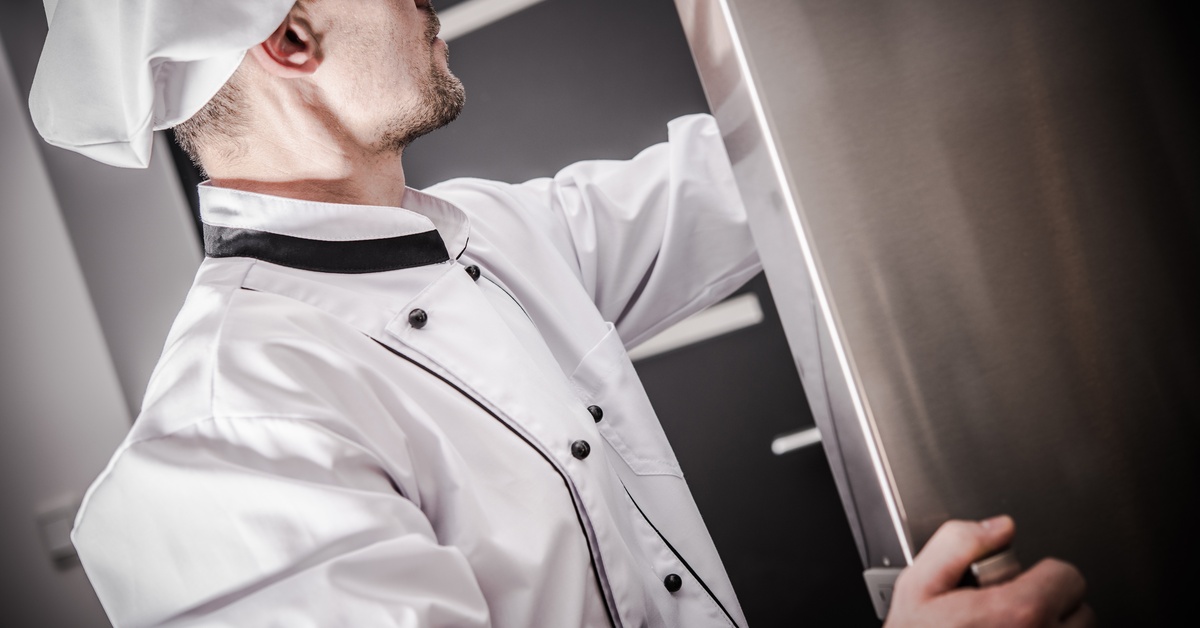
Look at the door’s position relative to its frame when it is completely shut. You may notice an uneven gap at the top, bottom, or sides, which indicates a weak hinge. A sagging door is a classic sign that the hinges can no longer support its weight and need replacement soon.
A misaligned door does not create a proper seal around the entire walk-in unit. This condition allows warm air to enter the cold space and forces the system to work harder. Correct alignment is a direct result of strong, well-maintained hinge support.
Compromised Door Seal and Gasket Damage
Inspect the gasket around the perimeter of the cooler door for signs of damage. A bad hinge causes the door to drag, which can pinch or tear the seal. You might notice condensation or frost buildup near these compromised areas.
A worn or broken seal means your cooler cannot maintain its set internal temperature. This constant exchange of air leads to significant energy loss and potential product spoilage. Proper hinge function protects the gasket and preserves the integrity of the cold environment.
Increased Energy Consumption
You may notice a sudden or gradual increase in your facility’s monthly energy bills. A walk-in cooler that runs constantly is a major contributor to higher utility costs. Worn hinges that prevent a complete seal are often the direct cause of this inefficiency.
The refrigeration system compensates for warm air infiltration with longer, more frequent cycles. When you invest in high-quality commercial cooler door hinges, you restore the door’s seal. This simple repair reduces your compressor’s workload and lowers overall energy use.
Presence of Rust or Corrosion
Examine the surface of the hinges for any discoloration, rust spots, or corrosion. The moist, cold environment of a walk-in cooler creates ideal conditions for metal decay. Protective coatings can wear off over time and expose the raw metal underneath.
Rust weakens the structural integrity of the hinge and can eventually cause it to break. Corroded particles can also contaminate the area and create sanitation concerns for your business. Replace any hinge that shows significant signs of oxidation to maintain a safe operation.
Audible Noises From Hinge Movement
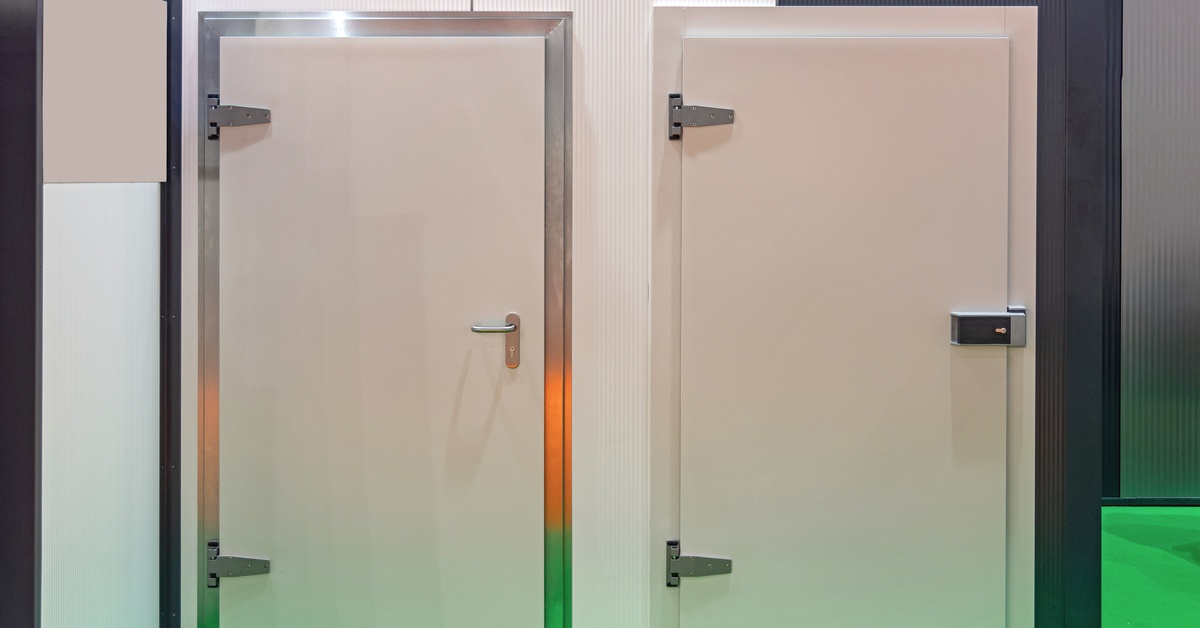
Pay attention to any sounds that the door makes during its normal operation. Healthy hinges should move almost silently without any loud or unusual noises. You might hear distinct groans, creaks, or pops as you open or close the door.
These noises often indicate that metal components grind against each other without lubrication. They can also point to loose parts or stress fractures within the hinge body. Such audible warnings suggest that the hardware is at the end of its lifespan.
Temperature Fluctuations Inside the Cooler
Use an independent thermometer to monitor the internal temperature of your walk-in cooler. You may find that the unit struggles to maintain a consistent, safe temperature. This is one of the main signs the hinges in your walk-in cooler need replacing.
Inconsistent temperatures put your entire inventory at risk of spoilage and potential contamination. Failure to maintain a stable environment can result in significant financial losses. Prompt hinge replacement helps ensure your cooler performs as expected and protects product quality.
Safety Concerns for Employees
A failing hinge presents a considerable safety risk to your employees who access the unit. The heavy door could detach unexpectedly and cause serious injury to anyone nearby. Staff should report any issues with door operation immediately to management for review.
A door that sticks or fails to close properly also creates an obstacle. It can lead to trips or falls, especially in a busy work environment. Prioritize the safety of your team with regular hardware inspections and timely repairs.
Failure to Pass Health and Safety Inspections
Health inspectors carefully check the condition and function of all refrigeration equipment. A cooler door that does not seal properly can result in a compliance violation. These infractions can lead to fines or even a temporary closure of your establishment.
Inspectors look for consistent temperatures, proper sanitation, and the general condition of your equipment. Worn hinges that cause gaps, rust, or temperature issues will not pass inspection. Proactive maintenance helps you avoid these penalties and uphold your professional reputation.
To ensure the long-term efficiency and reliability of your walk-in cooler, it is critical to prioritize regular inspections and timely hinge replacements. Faulty hinges can lead to a cascade of issues, including compromised temperature control, increased energy consumption, food spoilage, and even workplace safety hazards. Quickly identify and address signs of hinge failure, such as visible damage, operational stiffness, or improper sealing, to prevent costly repairs, regulatory penalties, and unnecessary risks.
A proactive maintenance schedule and the selection of high-quality, compatible replacement parts tailored to your cooler’s specifications are essential steps for maintaining optimal performance. With these practices, you extend the lifespan of your equipment, safeguard valuable inventory, ensure regulatory compliance, and uphold safety standards for your staff and customers. The attentive care and upkeep of your walk-in cooler are integral to operational efficiency, long-term savings, and the preservation of your professional reputation.