
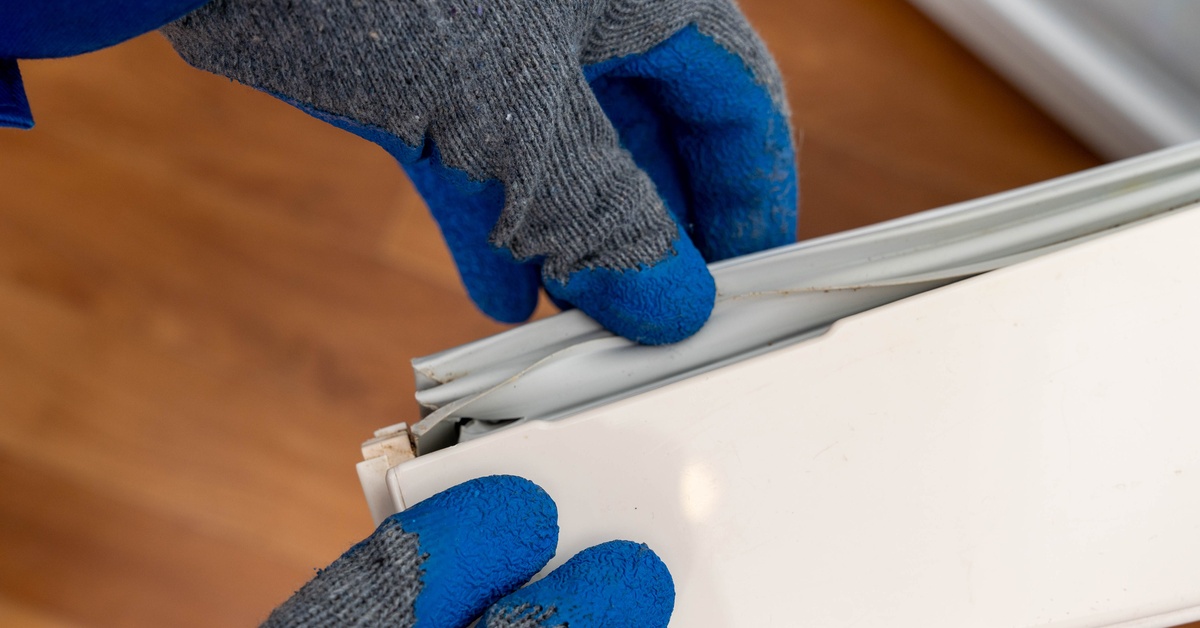
Commercial kitchens, grocery stores, and hotels rely on refrigeration systems every single day. These units help protect food safety, prevent waste, and reduce operational costs. But when seasons shift, your refrigeration seals face environmental challenges that often go unnoticed.
Temperature swings, humidity spikes, and moisture levels all fluctuate between summer heat and winter cold. These changes directly affect the performance and longevity of your refrigeration door gaskets. Understanding the impact of seasonal changes in refrigerator gaskets will help you maintain efficiency and avoid unexpected failures.
Failing gaskets cost money, waste energy, and force your refrigeration units to work harder than needed. Poor sealing means cool air escapes and warm air sneaks in, causing your compressor to overwork. Addressing gasket condition across every season helps you avoid downtime and maintain safe temperatures year-round.
Summer Heat Causes Gasket Warping
High temperatures increase surface heat around your refrigeration doors and frames during summer. This external heat affects the material flexibility of your door seals. Over time, rubber begins to expand unevenly and loses its precise sealing shape.
When seals warp, gaps form along the gasket’s edge and allow outside air to infiltrate. These leaks reduce cooling efficiency and force your unit to operate for longer hours. That extra workload adds strain and shortens compressor life over time.
Winter Air Reduces Gasket Flexibility
In winter, frigid temperatures reduce the pliability of common gasket materials like rubber or PVC. The colder the material, the less it bends and returns to form after each door use. Eventually, brittle edges crack or peel away from the frame.
Stiff gaskets fail to form tight seals around corners and contours. These areas become the first zones where cold air escapes. Leaks during winter can lead to freezing food temperatures and unnecessary frost buildup.
Fall Temperature Swings Stress Materials
Fall brings constant fluctuations between warm days and cool nights, which could have a direct impact on your freezer gaskets. These shifts stretch and contract gasket materials multiple times daily. That motion puts stress on seal adhesion and edge integrity.
You may not see obvious damage at first, but micro-tears form over weeks. These tiny gaps eventually widen and allow air to pass through unnoticed. The fall season’s unpredictability makes it one of the hardest periods for gasket performance.
Spring Moisture Promotes Mold Growth
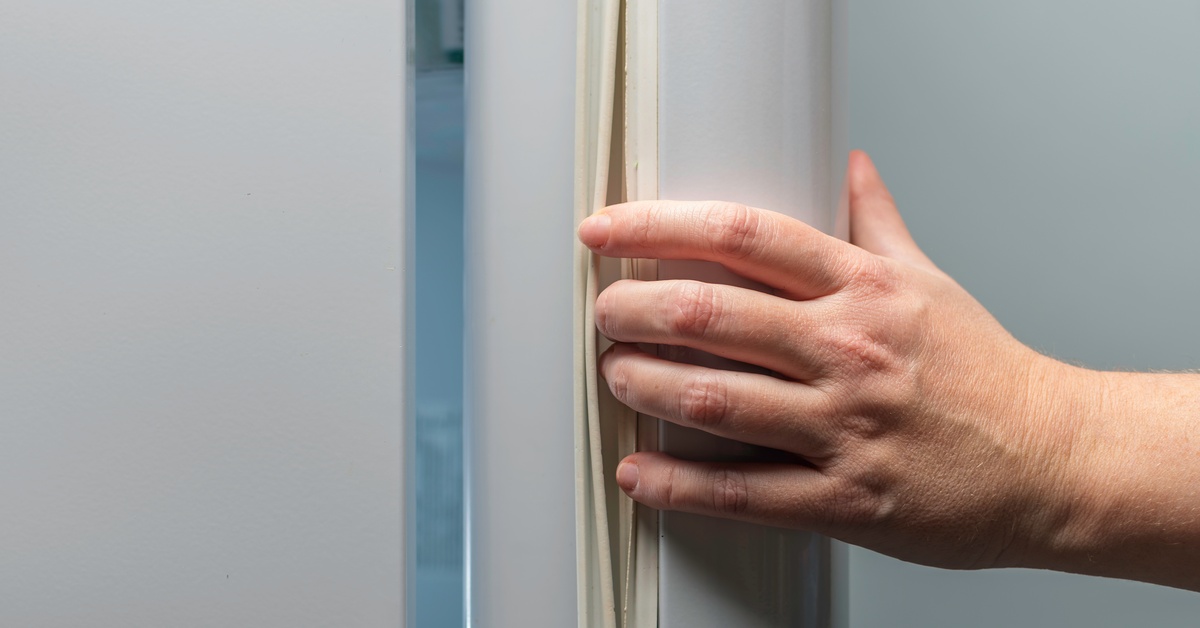
As humidity rises in spring, condensation often builds up around door seams and frame edges. Damp areas provide an ideal environment for mold and mildew to grow. These spores can damage gaskets and compromise your food safety protocols.
Fungal growth is one of the main seasonal factors that impact refrigeration seals because it breaks down the rubber and causes unpleasant smells inside your refrigeration space. Mold may even harden the gasket, making it less responsive to pressure. Preventive cleaning and regular gasket inspections are essential in the spring months.
High Humidity Worsens Seal Adhesion
In humid climates or seasons, moisture collects behind gaskets and weakens the adhesive bond. Loose seals begin to sag or shift under their own weight. This separation exposes insulation foam and reduces sealing strength.
As gaskets pull away from the frame, temperature consistency becomes difficult to maintain. Compensating with colder settings only increases your energy bill. Daily checks during humid months help prevent unnoticed seal failure.
Condensation Breaks Down Seal Edges
Condensation is a year-round issue, especially in regions with frequent climate shifts. As warm air hits cold surfaces, water droplets form around door edges. These drops soak into the gasket material and degrade it over time.
Excess moisture can cause softening, bubbling, or flaking along the seal. Damaged edges lose contact with door frames and form ineffective closures. Long-term exposure to moisture significantly reduces gasket lifespan.
UV Exposure Weakens Exterior Gaskets
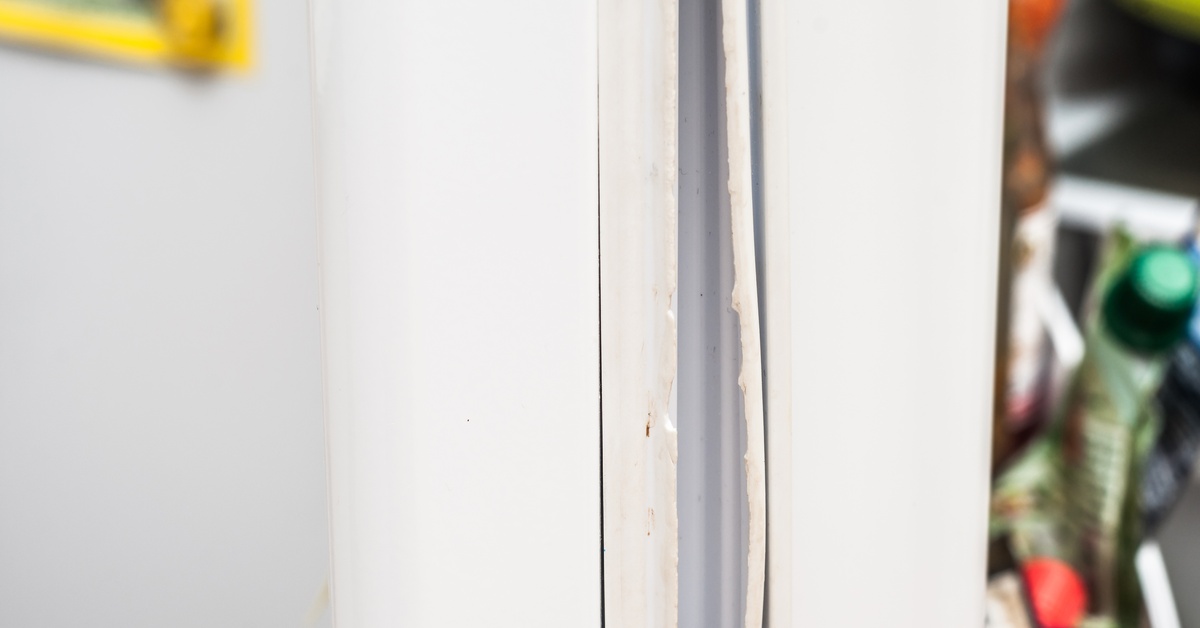
Sunlight exposure affects outdoor refrigeration units or doors near windows or heat lamps. UV rays break down the outer surface of gasket materials over time. Discoloration and surface cracking are common signs of UV damage.
Weak seals begin to shrink, dry out, or split across high-stress points. Once weakened, they stop forming reliable seals with every door cycle. Blocking direct light helps reduce this silent source of damage.
Power Outages Can Stress Worn Seals
Seasonal storms and power disruptions place extra pressure on refrigeration seals. When outages occur, internal temperatures spike quickly and affect gasket materials. Older or already weakened seals often fail during these shifts.
To minimize long-term damage, inspect your gaskets immediately after any outage event. Here’s how power outages impact worn seals:
- Heat buildup softens gasket material: Without active cooling, temperatures rise and cause seals to lose their original shape and structure. Softened seals cannot form tight closures when refrigeration resumes after power returns.
- Pressure changes distort sealing surfaces: Sudden loss and return of cold airflow cause expansion and contraction in door gaskets. This movement strains old materials and leads to separation at stress points.
- Refrigeration units restart under added load: After outages, compressors work harder to stabilize internal temperatures in compromised systems. Worn gaskets make this recovery less effective and more energy-intensive.
Air Pressure Changes Affect Seal Suction
Weather changes impact atmospheric pressure inside and outside walk-in units. These shifts interfere with the vacuum seal effect of magnetic gaskets. When pressure drops, the seal loses grip and starts leaking.
Doors may feel easier to open, but lose their sealing force when closed. Temperature instability often follows, with longer compressor cycles needed. Maintaining seal alignment helps offset environmental pressure effects.
Extending Gasket Life
Investing in high-quality commercial refrigeration door seals is the best way to protect your system year-round. Precision-fit seals reduce stress from seasonal fluctuations and eliminate weak points before failure begins. Better materials also resist environmental threats like UV, humidity, and daily use fatigue.
Gaskets Rock offers custom-engineered solutions that meet the needs of every brand and unit type. Their experts install reliable products designed to preserve temperature and reduce system strain. With national coverage and a six-month guarantee, their gaskets deliver peace of mind across all seasons.
Every season brings new challenges for your refrigeration system’s performance and efficiency. From humidity to extreme temperatures, small environmental shifts cause wear on your gaskets. Without timely action, minor leaks become major problems.
Don’t wait for spoilage, downtime, or higher bills to reveal gasket failure. Consistent inspections and proactive replacement plans help preserve your system year-round. For a reliable solution tailored to your business, trust Gaskets Rock to keep your seals strong through every season.