
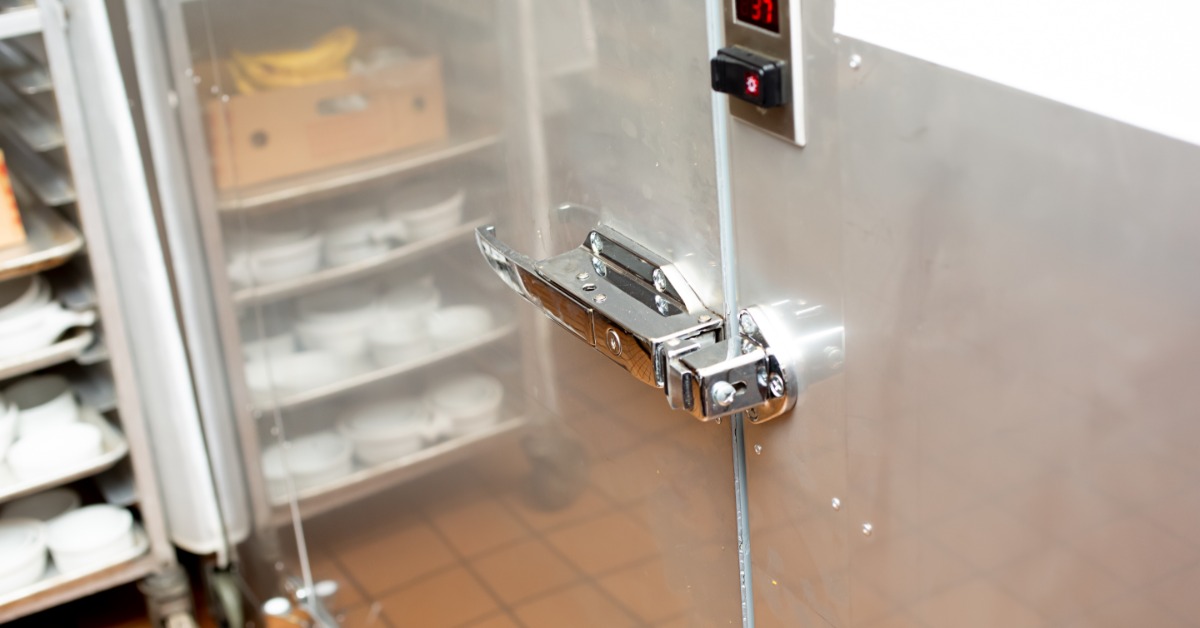
A walk-in cooler depends on proper sealing to preserve a consistent internal temperature and protect stored products from external air exposure. Gaskets serve as essential components that maintain the seal across frequent door openings and varied environmental conditions within demanding commercial settings. Rubber and magnetic gasket types for walk-in coolers dominate commercial refrigeration systems, each offering distinct performance traits and durability factors that affect overall efficiency.
Business owners often face decisions about gasket replacement or upgrades without clear knowledge of the differences between these materials. Each gasket type presents advantages related to installation and ease of cleaning in food service environments. A clear comparison helps operators choose options that align with operational priorities and sanitation requirements.
Material Composition and Structure
Rubber gaskets rely on flexible elastomer compounds that compress tightly against door frames to create an effective seal in walk-in cooler systems. These materials adapt well to slight door misalignment and maintain contact even under repeated use across busy commercial environments. Their simple construction allows easy customization for various door shapes and sizes without complex manufacturing requirements.
Magnetic gaskets incorporate flexible vinyl housing that encloses magnetic strips designed to pull doors tightly against metal frames. This built-in attraction ensures consistent sealing pressure without relying solely on manual compression during door closure events. The internal magnet structure provides a reliable seal that resists air gaps under frequent operational stress.
Installation Requirements and Compatibility
Rubber gaskets often require manual alignment during installation, with clips or adhesive systems securing edges firmly into place. Proper installation demands careful measurement to avoid gaps that could reduce seal effectiveness across cooler door surfaces. Technicians must ensure even placement to maintain consistent pressure along the entire perimeter.
Magnetic gaskets simplify installation through snap-in designs that fit directly into preconfigured channels on compatible cooler doors. These systems reduce installation time and minimize alignment errors during replacement or maintenance tasks. Standardized sizing enhances compatibility across many commercial refrigeration models.
Sealing Performance and Efficiency

Rubber gaskets depend on compression strength to create a barrier against warm air infiltration into refrigerated spaces. Over time, repeated compression may reduce elasticity, leading to a gradual loss of sealing performance in demanding environments. Regular inspection helps identify early signs of wear before efficiency declines significantly.
Magnetic gaskets maintain sealing force through constant magnetic attraction that holds doors securely against frames during operation. This consistent pressure reduces the likelihood of small gaps that allow temperature fluctuations within the cooler interior. Enhanced sealing contributes to stable cooling conditions and improved energy efficiency.
Durability Under Frequent Use
Rubber gaskets perform reliably under moderate use but may degrade faster under heavy traffic conditions common in busy kitchens. Continuous compression and release cycles contribute to cracking or hardening over extended periods of use. Exposure to temperature shifts can also accelerate material fatigue.
Magnetic gaskets tend to offer longer service life due to reduced reliance on material compression for sealing performance. The magnetic core maintains consistent pressure even as outer materials experience wear from repeated door movement. This durability supports extended replacement intervals in high-demand environments.
Maintenance and Cleaning Considerations
Rubber gaskets require routine cleaning to prevent the buildup of debris that could compromise sealing effectiveness or create sanitation concerns. Their softer surface may trap particles within folds or edges if not cleaned regularly. Maintenance staff must inspect surfaces carefully to ensure hygienic conditions.
Magnetic gaskets feature smoother surfaces that resist buildup and allow easier cleaning during routine maintenance procedures. Their design reduces crevices where contaminants could accumulate over time within cooler door frames. Simplified cleaning supports compliance with strict food safety standards.
Cost Factors and Budget Impact
Rubber gaskets generally cost less upfront, making them attractive options for businesses seeking economical solutions for gasket replacement needs. Lower initial investment may appeal to smaller operations with limited maintenance budgets. However, more frequent replacement may increase overall expenses over time.
Magnetic gaskets often involve higher initial costs due to integrated magnet components and specialized construction techniques. Despite a higher purchase price, an extended lifespan may offset replacement frequency and reduce maintenance costs. This balance supports long-term cost efficiency for many commercial operations.
Energy Efficiency and Temperature Control
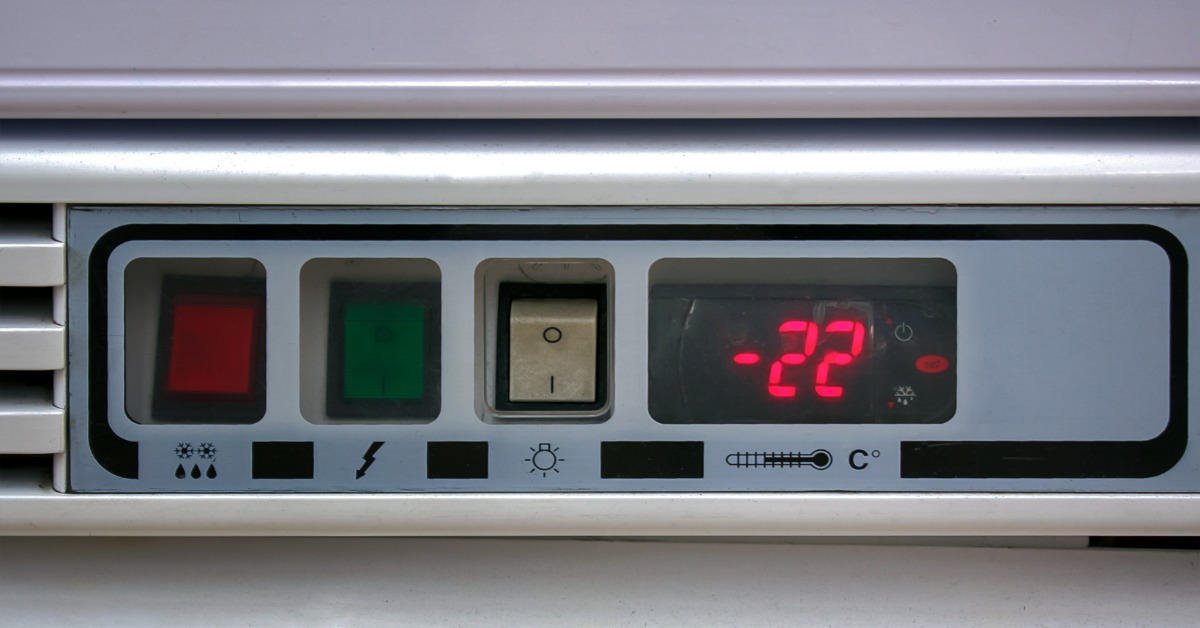
Rubber gaskets provide adequate insulation when properly maintained, helping reduce energy loss through cooler door openings. However, declining elasticity over time may lead to small leaks that affect internal temperature consistency. Increased compressor workload may result from compromised seals.
Magnetic gaskets excel in maintaining tight seals that minimize air exchange between interior and exterior environments. This performance supports consistent temperature control and reduces strain on refrigeration systems. Improved efficiency contributes to lower energy consumption and operational costs.
Environmental Resistance and Performance
Rubber gaskets may struggle under extreme temperature fluctuations, leading to brittleness or reduced flexibility in harsh conditions. Exposure to moisture and cleaning chemicals may also affect long-term durability in commercial settings. Protective maintenance practices help extend lifespan.
Magnetic gaskets resist environmental stress more effectively due to a stable internal structure and durable outer materials. Their performance remains consistent across varying temperature ranges within refrigeration environments. This resilience enhances reliability in demanding operational conditions.
Operational Reliability and Safety
Rubber gaskets provide dependable sealing when maintained properly, though gradual wear may introduce performance variability over time. Inconsistent seals can affect product safety if temperature control becomes compromised. Regular monitoring ensures continued reliability in daily operations.
Magnetic gaskets offer consistent sealing pressure that reduces the risk of accidental door gaps or improper closure during busy periods. This reliability supports food safety standards and protects stored inventory from temperature fluctuations. Stable performance enhances overall operational confidence.
Value of Quality
Investing in high-quality commercial refrigeration gaskets is the best solution to maintain consistent temperature control and reduce operational inefficiencies across demanding commercial environments. High-grade materials support longer service life and reduce the frequency of maintenance interventions. Reliable sealing protects inventory and supports compliance with food safety regulations.
Choosing between rubber and magnetic gaskets requires careful evaluation of operational demands and maintenance capabilities within each facility. Both options serve important roles when matched appropriately to specific use cases and workload conditions. Thoughtful selection ensures optimal performance and long-term value for refrigeration systems.
The differences between rubber and magnetic gaskets suit different operational needs within commercial refrigeration environments. Rubber options provide flexibility and affordability, whereas magnetic designs deliver superior sealing strength and durability under frequent use conditions. Understanding these differences allows informed decisions that balance cost, performance, and maintenance expectations.
Effective gasket selection will help maintain cooler efficiency, protect stored goods, and reduce energy consumption across commercial operations. Businesses that evaluate gasket performance carefully can improve reliability and extend equipment lifespan. A strategic approach ensures refrigeration systems operate efficiently under demanding conditions.