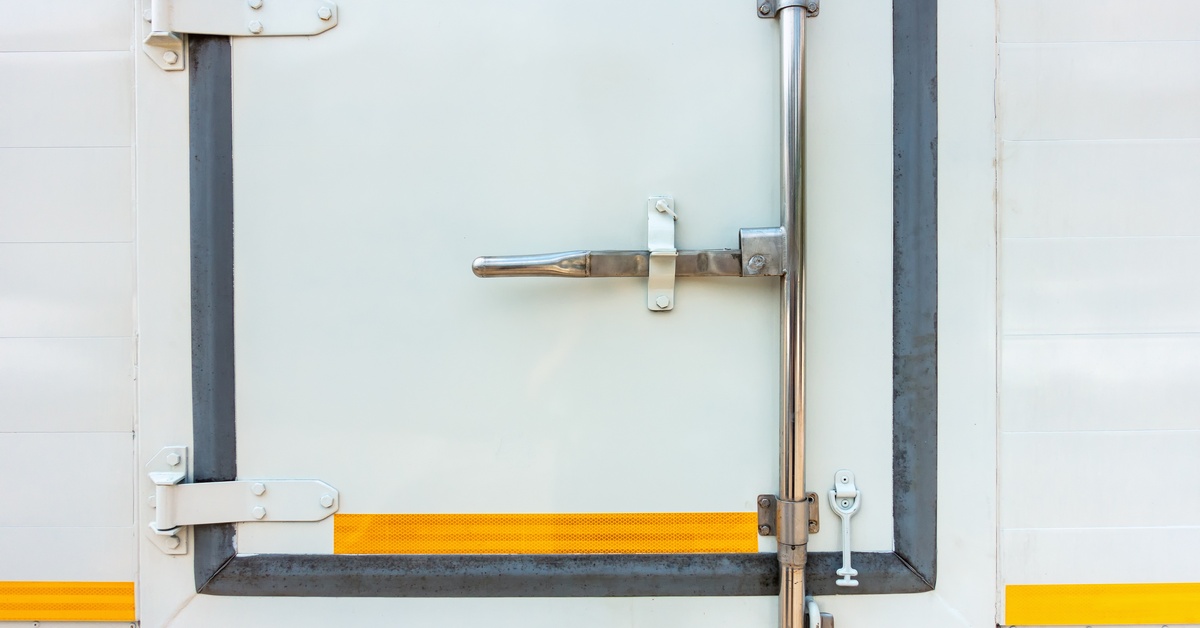
Commercial cooler hinges maintain consistent door performance, preserving internal temperatures and protecting stored products from spoilage. A well-executed installation helps maintain energy efficiency across demanding commercial environments. When hinges fail or function poorly, issues such as air leaks and excessive wear quickly follow, leading to higher costs and operational disruptions.
Many common problems stem from avoidable mistakes that require attention to detail and sometimes professional help. Learning about the dos and don’ts of commercial cooler hinges installation will help ensure reliable hinge performance and support efficient refrigeration.
Understand Equipment Specifications
Read manufacturer manuals before any work begins to confirm hinge type, load rating, and compatible door thickness for accurate installation. Verify hardware dimensions against existing cutouts to prevent gaps that compromise sealing performance and lead to temperature fluctuations inside the cooler. Select tools that match fastener heads precisely to avoid stripping screws and ensure secure attachment under repeated door use cycles.
Confirm hinge orientation for left or right swing before placement to avoid rework that weakens mounting surfaces and delays project timelines. Measure clearances around frames and adjacent equipment to prevent obstruction during door travel and maintain safe operation within confined spaces. Use level and square to align mounting plates accurately, as minor deviations create stress points that accelerate wear and reduce lifespan.
Prepare Surfaces Thoroughly
Clean mounting areas to remove grease and residue that reduce friction between components and compromise the strength of mechanical connections. Inspect door edges and frames for damage, then repair chips or warps that hinder proper seating of hinge plates and create uneven load distribution. Apply appropriate sealant where specified to block moisture ingress that can corrode fasteners and degrade structural integrity over time.
Mark pilot holes with precise spacing to match hinge patterns and maintain consistent alignment across multiple units within the same installation. Drill pilot holes to the recommended depth to prevent splitting while ensuring threads bite effectively for strong retention under repeated opening cycles. Keep surfaces dry and free from debris during assembly to support accurate placement and reduce contamination that affects long-term performance.
Choose Quality Hardware
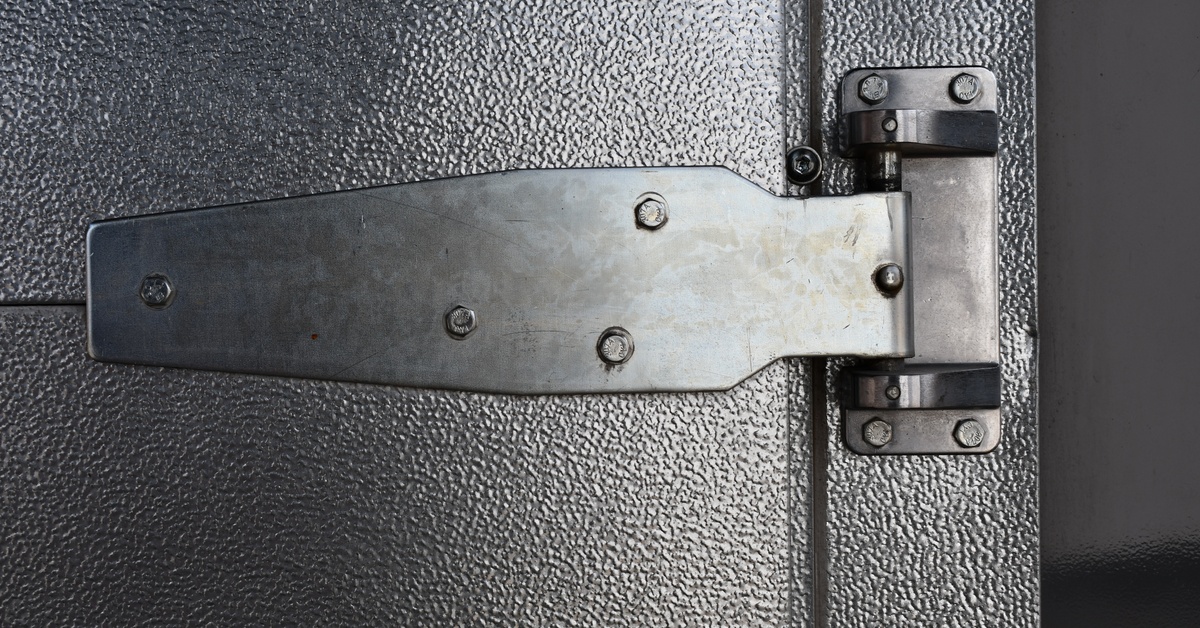
Select hinges built from corrosion-resistant materials such as stainless steel to withstand humid conditions common in commercial refrigeration environments. Confirm weight capacity exceeds the door mass, including stored items attached to door racks that increase stress during operation and frequent use. Match fasteners to hinge material to prevent galvanic corrosion that weakens joints and shortens service life under demanding conditions.
Avoid mixed-grade hardware that introduces inconsistent strength across connection points and leads to uneven load transfer during door movement. Source components from reputable suppliers that provide documentation and warranty support, ensuring accountability and reliable performance across multiple installations. Inspect each part before use for defects such as burrs or cracks that can propagate under stress and cause sudden failure.
Align Hinges Precisely
Position hinges along a straight vertical line to distribute weight evenly and prevent torsion that distorts the door over time. Use shims where necessary to correct minor irregularities in frames, maintaining consistent gaps that support effective sealing and smooth operation. Tighten fasteners incrementally while checking alignment to avoid pulling components out of position during final securing stages.
Test door swing through the full range to confirm there is no binding, scraping, or excessive resistance that indicates misalignment or obstruction. Adjust placement carefully until motion feels smooth and consistent, as early corrections prevent damage to hinges and surrounding structures. Document final measurements for future maintenance reference, enabling quick diagnostics if issues arise during routine service checks.
Maintain Proper Sealing
Ensure gasket compression remains uniform along the entire perimeter to prevent air leakage that increases energy use and reduces cooling efficiency. Verify hinge placement supports even pressure when the door closes, creating a reliable seal that protects stored products from temperature fluctuations. Replace worn gaskets promptly, as compromised seals force hinges to compensate and accelerate wear across the system.
Check the closing force after installation to confirm the door seats firmly without excessive pressure that stresses hinges and fasteners unnecessarily. Adjust hinge tension where applicable to balance ease of use with secure closure, maintaining user comfort and equipment reliability. Monitor condensation around seals, as persistent moisture indicates gaps that require immediate correction to preserve performance standards.
Avoid Over-Tightening Fasteners
Apply torque according to manufacturer recommendations to prevent thread damage that reduces holding strength and risks sudden loosening during operation. Use calibrated tools where possible to achieve consistent results across all fasteners, supporting uniform load distribution and stable hinge performance. One of the most important don’ts when installing commercial cooler hinges is the use of excessive force because it can deform mounting plates, creating misalignment that undermines careful setup efforts.
Recheck fasteners after initial cycles of door use to address minor settling that occurs as components seat under load and motion. Tighten only where necessary, maintaining the integrity of threads and avoiding cumulative damage that results from repeated over-tightening.
Schedule Routine Inspections
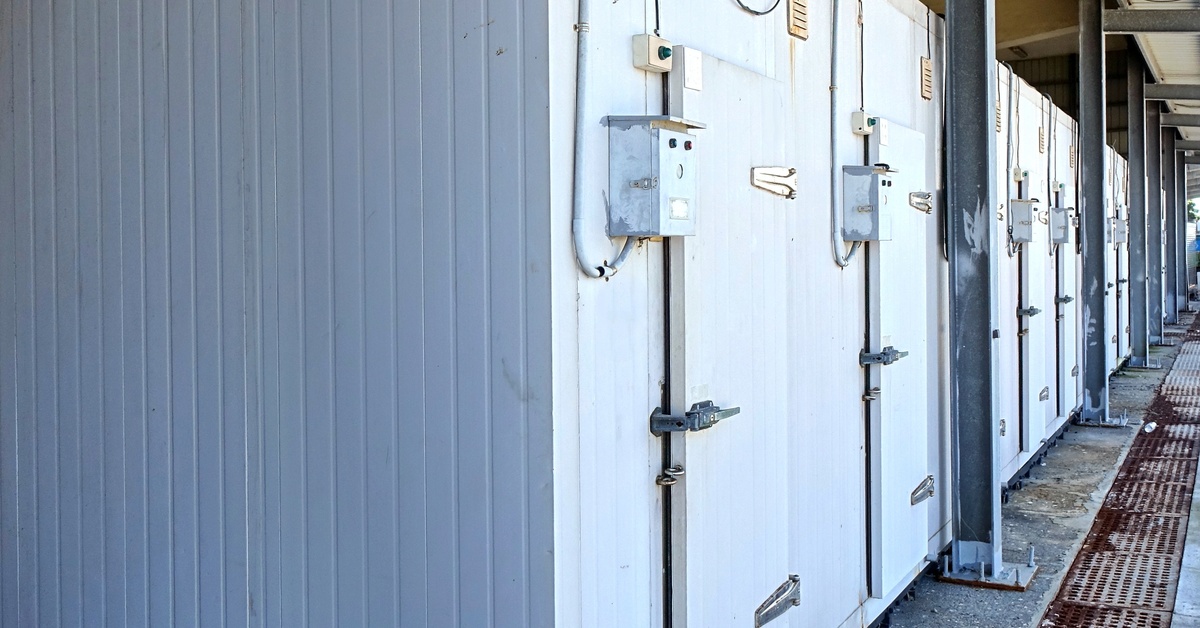
Plan periodic checks to evaluate alignment, fastener condition, and seal integrity, ensuring early detection of issues before they escalate into costly repairs. Record observations systematically to track trends and identify recurring problems that may indicate deeper structural concerns within the installation. Use consistent inspection intervals tailored to usage intensity, maintaining reliability across varying operational demands.
Include functional tests during inspections to assess door movement, closure strength, and noise levels that signal developing problems within hinge assemblies. Address minor adjustments immediately, as prompt action prevents cumulative damage that compromises performance and increases downtime risks. Maintain spare parts inventory to enable quick replacement when wear exceeds acceptable limits during routine evaluation cycles.
Know When to Seek Professional Help
Complex repairs require specialized expertise to diagnose underlying issues that simple adjustments cannot resolve within high-demand commercial refrigeration systems. Attempting advanced fixes without proper knowledge risks further damage, increased costs, and extended downtime that disrupts business operations significantly. Investing in a professional repair for commercial freezer door hinges is the best way to ensure reliable performance and protect valuable inventory.
Professionals use precise tools and validated methods to restore alignment, replace components, and verify system integrity under realistic operating conditions. Their experience enables efficient troubleshooting that minimizes disruption and extends equipment lifespan through accurate corrective actions and preventive measures. Establish relationships with qualified service providers to secure timely support whenever complex hinge issues arise.
Document Installation and Maintenance
Maintain detailed records of installation parameters and adjustment settings to support consistent maintenance practices across multiple units and locations. Accurate documentation enables faster troubleshooting, as technicians can reference prior configurations and identify deviations that contribute to current performance issues. Store records in accessible formats to ensure team members can retrieve information quickly during service tasks.
Update documentation after each maintenance activity to reflect changes, ensuring records remain current and useful for future reference and decision making. Include photographs where helpful to capture alignment details and component placement that support visual verification during inspections.
Effective installation of commercial cooler hinges depends on careful preparation, accurate alignment, and disciplined maintenance practices that support consistent performance. Avoiding common mistakes such as over-tightening and neglect of sealing ensures reliable operation under demanding conditions. With informed procedures and timely professional support, businesses can maintain efficient refrigeration systems that protect inventory and control operating costs.