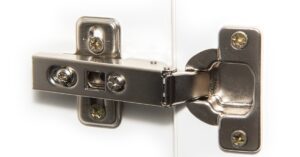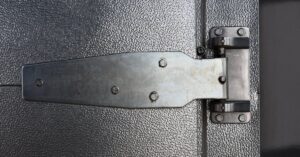
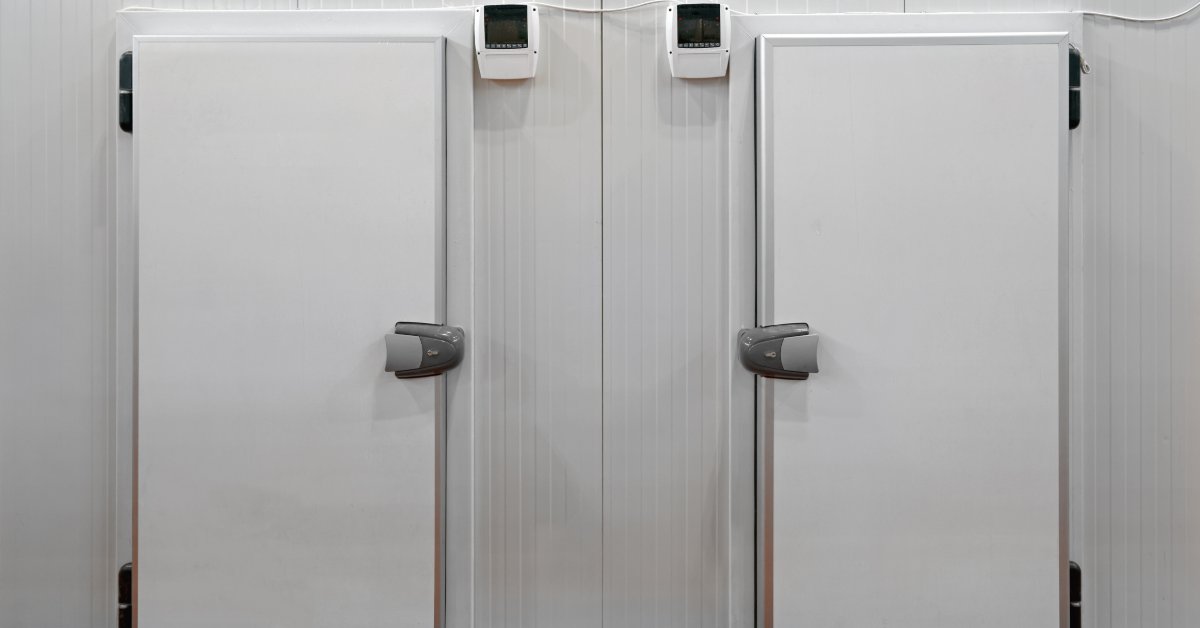
Cooler door hinges often hide subtle damage that escapes notice until performance drops and energy costs rise rapidly over time. These small components endure constant stress from daily use, temperature shifts, and moisture exposure that slowly weakens their structure. Early detection of hinge issues protects stored goods and reduces repair costs that can burden any commercial refrigeration system.
Many operators focus on seals or compressors while hinge health receives little attention despite its direct impact on door alignment. A misaligned hinge can cause uneven closure and strain on other components that depend on proper door positioning. Understanding how to identify hidden hinge damage on cooler door hinges helps maintain reliable operation and supports a consistent internal temperature for stored products.
Understanding Hinge Wear Patterns
Hinge wear often develops through repeated motion that gradually erodes metal surfaces and weakens internal pins within the assembly over time. Close inspection can reveal uneven gaps or subtle shifts in door position that signal underlying structural fatigue in hinge components. These patterns rarely appear suddenly but evolve through consistent use, making routine observation essential for early recognition of developing issues.
Surface scratches or discoloration near hinge joints may indicate friction beyond normal levels, suggesting lubrication loss or misalignment within moving parts. When these signs persist, they can lead to increased resistance during door movement and place added stress on surrounding hardware. Addressing wear patterns early helps prevent further deterioration and maintains smooth operation within the refrigeration unit.
Detecting Alignment Irregularities
Proper hinge alignment ensures that cooler doors close evenly and maintain a secure seal against the frame during each use cycle. Slight shifts in alignment can cause visible gaps along door edges, allowing warm air to enter and disrupt internal temperature stability. These irregularities often indicate hinge distortion or loose mounting points that require immediate attention to prevent further complications.
Check door movement for uneven resistance or a tendency to drift from its intended position during opening or closing motions. Such behavior suggests an internal hinge imbalance that may not appear obvious during a quick visual inspection of external components. Careful evaluation of alignment helps identify hidden damage before it leads to costly operational inefficiencies.
Observing Unusual Door Movement
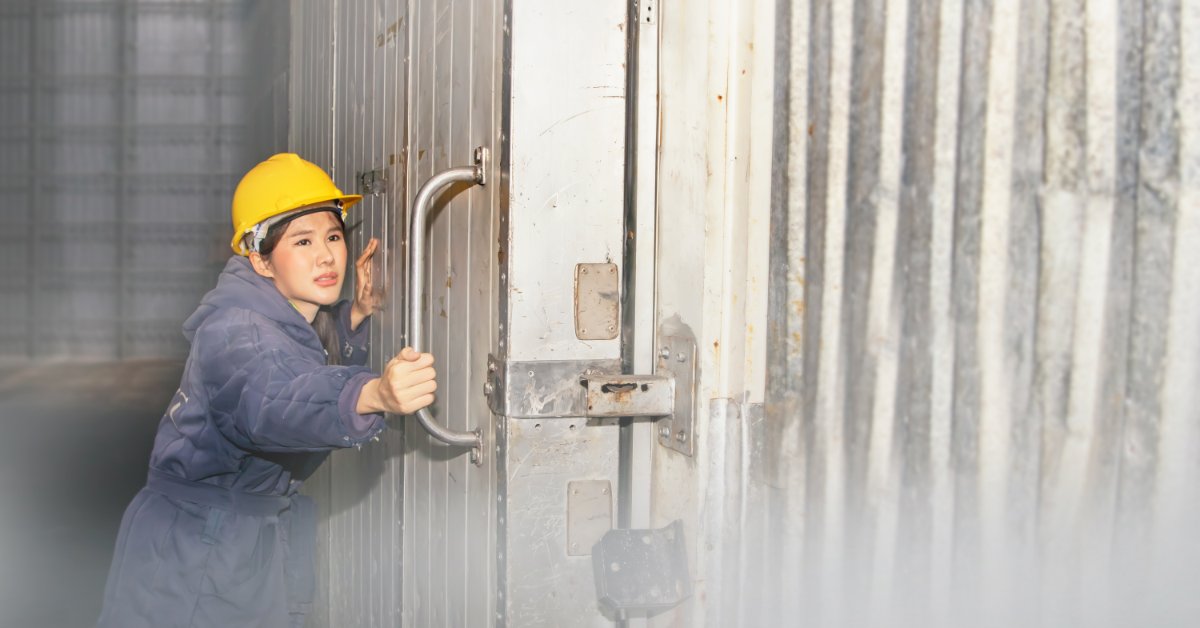
Unusual door movement often signals hidden hinge problems that develop beneath the surface of visible hardware components over extended periods. A door that swings too freely or resists motion may reflect internal wear or compromised hinge integrity within its structure. These changes in motion provide early clues that hinge performance has declined and requires closer examination.
Listen for subtle shifts in motion during regular use, as inconsistent movement patterns often accompany internal hinge degradation. Smooth, controlled motion indicates healthy hinges, while erratic behavior suggests structural imbalance or damage that affects overall door function. Monitoring movement patterns supports proactive maintenance and reduces the risk of sudden hinge failure.
Listening for Abnormal Sounds
Hinges in good condition operate quietly, with minimal noise during door movement under normal operating conditions in a controlled environment. Grinding, squeaking, or clicking sounds often indicate internal wear or debris accumulation within hinge mechanisms that disrupt smooth operation. These auditory cues provide valuable insight into hidden damage that visual inspection alone may not reveal.
Persistent noise during door operation suggests friction between worn components or a lack of proper lubrication within hinge assemblies. Ignoring these sounds can lead to accelerated wear and eventual hinge failure that affects overall cooler performance. Regular attention to unusual sounds helps maintain system reliability and extends the lifespan of hinge components.
Checking for Loose Fasteners
Loose fasteners can compromise hinge stability and lead to misalignment that affects door closure and sealing performance over time. Inspect mounting screws and bolts for signs of loosening, corrosion, or wear that may weaken their ability to secure hinge components firmly. Tight connections ensure proper hinge function and prevent additional stress on surrounding hardware.
Even slight loosening can create movement within the hinge assembly, leading to gradual deformation and reduced structural integrity of the door system. Regular checks help identify these issues early, allowing for timely adjustments that maintain alignment and operational efficiency. Secure fasteners play a key role in preserving hinge performance and overall cooler reliability.
Assessing Door Seal Interaction
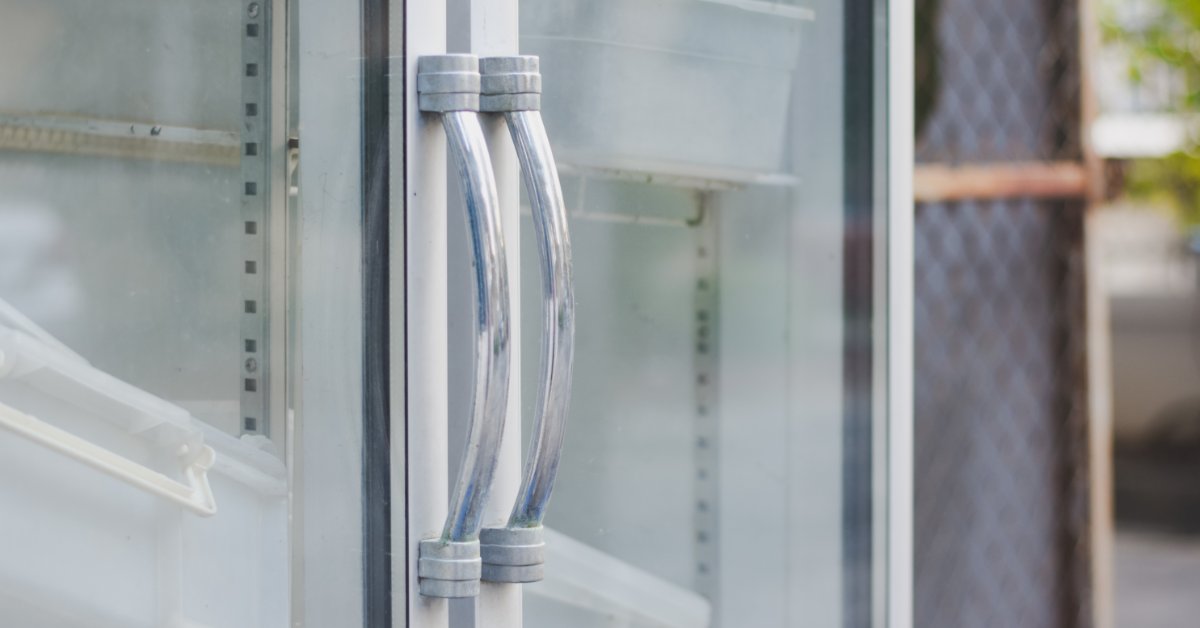
Hinges and door seals work together to maintain an airtight barrier that preserves internal temperature and prevents energy loss in refrigeration systems. Misaligned hinges can disrupt seal contact, leading to gaps that allow warm air infiltration and reduce efficiency. Observing how the door seal interacts with the frame provides insight into hinge condition and alignment.
Investing in high-quality walk-in cooler gaskets is the best way to avoid seal failure that often stems from hinge misalignment or structural instability. When hinges function properly, seals maintain consistent contact and support optimal insulation within the cooler environment. Evaluating this interaction helps identify hidden hinge issues that affect overall system performance.
Evaluating Environmental Impact
Environmental factors such as moisture and chemical exposure can accelerate hinge deterioration in commercial refrigeration settings. High humidity levels promote corrosion, while extreme cold can make metal components more brittle and prone to cracking under stress. These conditions create an environment where hidden hinge damage develops more rapidly than expected.
Regular assessment of environmental conditions helps identify potential risks that may affect hinge longevity and performance within the cooler system. Protective measures, such as proper sealing and maintenance routines, reduce the impact of these factors on hinge components. Awareness of environmental influences supports proactive care and extends the lifespan of critical hardware.
Scheduling Regular Inspections
Routine inspections are one of the best ways to identify hidden damage in cooler door hinges before it leads to significant operational challenges in cooler systems. Establishing a consistent inspection schedule ensures that all components receive attention to address potential issues quickly. This proactive approach reduces the likelihood of unexpected failures and costly repairs.
During inspections, focus on visual and functional aspects of hinge performance to gain a comprehensive understanding of their condition. Combining observation with practical testing helps uncover issues that may not appear during casual checks. Regular evaluations support long-term reliability and maintain optimal performance within refrigeration systems.
Hidden damage in cooler door hinges can compromise efficiency, increase costs, and affect the integrity of stored products within refrigeration systems. Attention to subtle changes helps identify issues before they escalate into major problems. Maintaining hinge health supports reliable operation and ensures that cooler systems perform effectively under demanding conditions.
A systematic approach strengthens overall equipment performance and reduces the risk of unexpected failures that disrupt daily operations. Awareness of wear patterns and performance indicators enables informed maintenance decisions that protect valuable assets. Consistent care and timely intervention ensure that cooler door hinges remain dependable components within any refrigeration setup.