

Commercial refrigeration units represent a substantial operational expense for many businesses, particularly within the food service and hospitality sectors. A significant portion of this cost relates directly to energy consumption. While facility managers often focus on large-scale system efficiencies, a small component frequently gets less attention: the door gasket.
This seemingly minor seal plays a major role in the overall performance of a walk-in cooler or freezer. A compromised, worn, or damaged gasket creates a direct path for energy to escape, which forces the entire refrigeration system to work harder. This continuous overexertion leads to higher utility bills, increased wear on expensive equipment, and potential risks to inventory.
A detailed look at the function and failure of these seals reveals their profound effect on operational efficiency and profitability. Learning how bad gaskets waste energy in commercial refrigerators will keep your kitchen in optimal condition and prevent a loss of energy and resources.
The Science of Energy Loss
A refrigerator gasket creates an airtight seal between the door and the main unit cabinet. This seal prevents the transfer of thermal energy between the inside and the outside. When a gasket fails, warm, moist ambient air infiltrates the cold interior of the unit.
The refrigeration cycle must work harder to combat the constant introduction of warmer air. This additional work consumes more electricity, which directly increases your monthly operational expenses. The constant battle against this warm-air infiltration results in significant power waste.
Temperature Fluctuations and Instability
Proper temperature maintenance ensures the safety and quality of perishable goods stored inside the unit. Gasket leaks introduce warm air, which causes unstable internal temperatures and constant fluctuations. These temperature swings create an unsafe environment for sensitive products like produce, dairy, and meat.
Your refrigeration unit will struggle to hold a consistent setpoint with a defective seal. This instability places your entire inventory at risk of accelerated spoilage and bacterial growth. The constant temperature changes compromise the integrity and safety of all your stored products.
The Effect on the Compressor
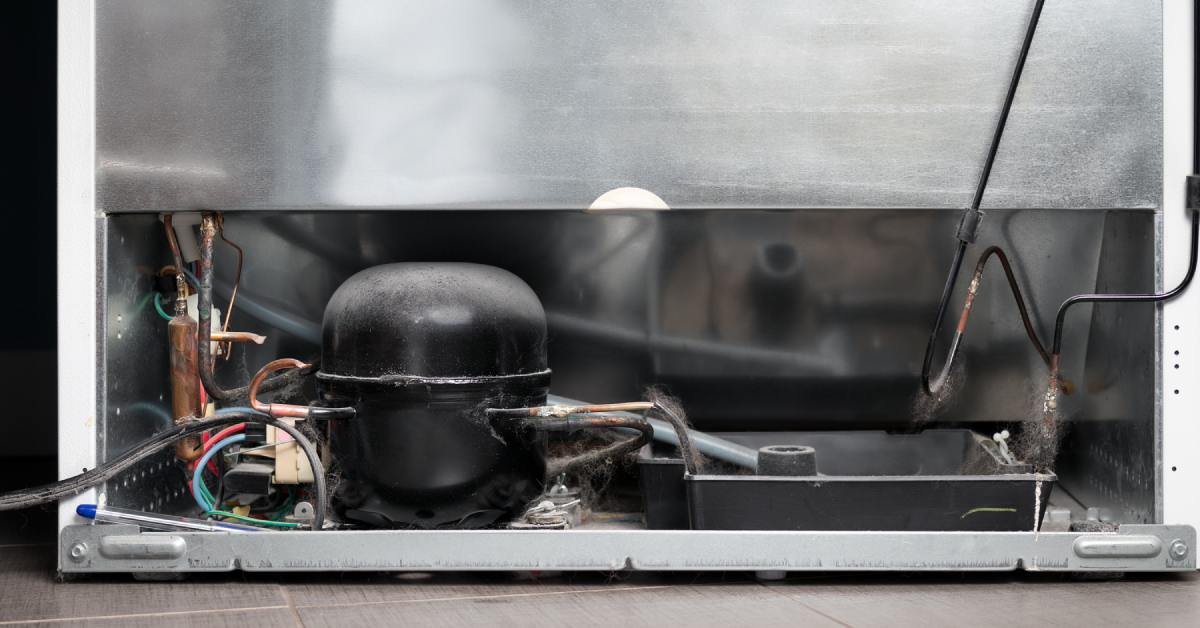
The compressor acts as the heart of any commercial refrigeration system, responsible for circulation. A bad gasket forces this vital component to operate for longer periods than intended. This constant operation accelerates wear and tear on the compressor’s mechanical parts, which shortens its lifespan.
A compressor under continuous strain is more prone to premature failure and costly repairs. Investing in quality services for walk-in cooler door gasket replacement will reduce this burden and ensure functionality. It allows the compressor to cycle normally, which protects this very expensive system component.
The Risk of Product Spoilage
Unstable temperatures directly result in spoiled products, which means significant financial losses for businesses. Food items require specific, stable cold environments to maintain freshness and prevent contamination. A faulty seal undermines this basic requirement, which makes product loss almost a certainty.
Spoiled inventory represents a direct hit to your bottom line through lost revenue potential. You also face the added disposal costs for all the compromised goods. Regular gasket upkeep is a small price to pay to protect your valuable inventory.
Signals for Maintenance Needs
Visual inspection often reveals the first signs of a gasket that needs immediate attention. Look for these signals to ensure your gaskets work properly:
- Check for visible cracks, tears, or gaps in the gasket material.
- Feel for stiffness or notice areas where the gasket appears loose.
- Observe the presence of moisture, frost, or condensation near the door edges.
- Notice if the door fails to stay closed securely, suggesting a weak seal.
- Test for uneven contact between the gasket and the door frame.
- Identify unusual levels of energy consumption due to air leaks.
- Inspect for dirt or mold accumulation that signals deterioration.
Methods for Diagnosing a Leak
A simple test involves placing a dollar bill between the door and the unit frame. Close the door on the bill; you should feel definite resistance when you pull it. If the bill slides out with ease, you have located a significant air leak.
Another effective method uses a thermal camera to visualize temperature differences around the door. A thermographic image will clearly show cold air escaping or warm air entering. This technology provides precise proof that a seal failed to perform its function.
The Financial Effect of Neglect

One of the most immediate signs of energy waste from your refrigerator gaskets is a higher electricity bill. The extra energy used to compensate for leaks can add up to substantial sums. This constant energy drain represents a direct and avoidable reduction in your overall profitability.
Beyond energy costs, you must also consider the expense of premature equipment repair or replacement. Compressors and other components fail sooner when they must work under constant, heavy loads. You can avoid these large capital expenditures with simple proactive maintenance tasks.
Compliance and Health Code Concerns
Health departments have strict regulations for the operational integrity of commercial refrigeration units. Inspectors will check for proper temperature logs and the physical condition of your equipment. A torn or ineffective gasket can lead to citations, fines, or even a failed inspection.
Maintaining equipment to code is a fundamental responsibility for any food service operation. Proactive gasket replacement helps ensure you meet all health and safety standards consistently. It shows a commitment to food safety that inspectors and customers will surely notice.
Options for Retrofit and Upgrades
Modern gaskets use superior materials that offer better sealing and a longer lifespan. You can often upgrade older units with these more efficient and durable seal options. This type of retrofit can improve performance beyond the original factory specifications.
Some newer gasket systems use magnetic strips for a tighter, more reliable closure. Other models feature advanced polymers that resist wear from cleaning chemicals and daily use. Explore these options to enhance the efficiency and durability of your current refrigeration equipment.
A Return on Investment Perspective
The cost of a new gasket is small compared to the potential losses it prevents. You avoid high energy bills, expensive equipment repairs, and costly product spoilage. The initial expense of replacement delivers a swift, measurable return on your investment.
Think of gasket maintenance as insurance for your refrigeration equipment. It is a small, proactive step that protects your larger assets and inventory. This simple task supports operational stability and protects your business from unnecessary financial risk.
The integrity of a commercial refrigerator’s door gasket directly ties to a business’s operational efficiency and financial health. A faulty seal initiates a chain reaction of negative consequences, from excessive energy consumption and compressor strain to dangerous temperature fluctuations that threaten inventory. These issues translate into higher utility bills, expensive repairs, lost product, and potential health code violations.
Proactive inspection and timely replacement of worn gaskets are essential business practices. With these, managers can achieve significant savings, extend equipment life, ensure food safety, and protect their bottom line. A well-maintained seal is a simple yet powerful tool for resource conservation and operational excellence.