

The modern restaurant environment demands strict adherence to health codes to protect public safety and trust. Every piece of equipment in a commercial kitchen plays a role in these evaluations. Inspectors examine everything from floor cleanliness to the internal temperature of walk-in freezers.
Among the many components under scrutiny, the humble refrigeration gasket often goes unnoticed until an inspection. These rubber seals line the doors of coolers, freezers, and preparation tables. They serve a vital function: they trap cold air inside and keep warm air outside.
Health inspectors know exactly where to look for signs of neglect in a kitchen. They frequently check gasket integrity because it reflects the facility’s overall maintenance standards. A torn or moldy gasket is a direct violation of health department regulations.
This seemingly minor detail can lead to point deductions that lower the establishment’s score. Low scores can damage a restaurant’s reputation or even lead to temporary closure. Restaurant owners and managers must understand how refrigeration gaskets affect restaurant health scores to ensure business success.
Mold Accumulation in Gasket Crevices and Folds
Moisture collects in the cracks of a split gasket and creates a mold habitat. Black mold thrives in the damp, dark folds of rubber seals on cooler doors. Inspectors treat visible mold as a critical violation due to the risk of contamination.
Staff often overlook these areas during routine cleaning because they are hard to see. Regular scrubbing prevents buildup, but replacement is necessary once the material starts to crack. Clean equipment demonstrates a commitment to sanitation standards that health officials expect.
Cross-Contamination Hazards
Bacteria from a dirty gasket can transfer to the hands of kitchen staff members. Cooks touch the door handle and the seal dozens of times during a shift. These pathogens then move to food preparation surfaces or directly onto the meals served.
Health officials cite cross-contamination as a primary cause of foodborne illness outbreaks in restaurants. A sealed barrier prevents pests and airborne contaminants from entering the food storage area. Secure gaskets maintain the sterile environment required to keep ingredients fresh and safe.
Temperature Control Failures and Bacteria Growth Risks
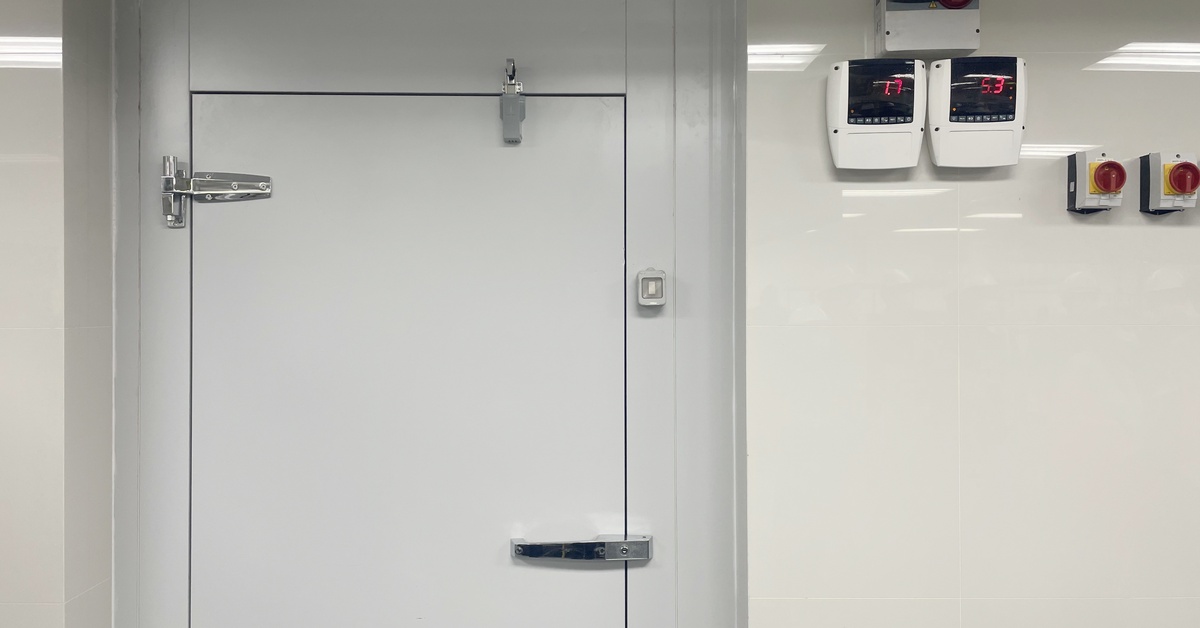
A damaged seal allows warm air to infiltrate the cold environment of a refrigerator. This constant influx of heat forces the compressor to work harder to maintain temperatures. Food stored near the door often sits in the danger zone for bacterial growth.
Pathogens multiply rapidly when food temperatures rise above forty degrees in any commercial kitchen. Inspectors will measure the internal temperature of products to verify they remain safe. Investing in premium refrigeration gaskets will ensure a secure, compliant food-storage environment.
Increased Energy Consumption and Equipment Strain
Leaky gaskets force the refrigeration unit to run continuously to combat the heat influx. This constant operation puts immense stress on the compressor and the condenser coils inside. Equipment failure leads to food spoilage, which immediately results in a failed health inspection.
High utility bills often signal that cold air escapes through gaps in the door. Efficient seals keep operational costs low and extend the lifespan of expensive kitchen machinery. Inspectors note the condition of equipment as part of their overall assessment of the facility.
Pest Infestation Potential Through Door Gaps
Small insects, such as fruit flies and cockroaches, can squeeze through tiny gaps in seals. The smell of food attracts pests to the refrigerator, and broken gaskets provide entry. Once inside, pests contaminate food stocks and create a severe public health hazard.
Evidence of pests in a refrigerator guarantees a critical violation on a health report. A tight seal acts as the first line of defense against unwanted kitchen intruders. proactive maintenance eliminates the entry points that allow pests to access your valuable inventory.
Condensation Buildup and Water Damage Risks
Warm air entering a cold freezer creates excess condensation on the walls and food products. This moisture freezes into ice crystals or drips onto food stored on lower shelves. Water accumulation promotes bacterial growth and ruins the texture and quality of fresh ingredients.
Inspectors look for signs of ice buildup as evidence of a faulty door seal. Excess water on the floor creates slip hazards for staff and signals neglect of equipment. Dry storage conditions rely entirely on the ability of the door to close tightly.
Food Spoilage and Waste Management Issues

One of the main reasons restaurant gaskets affect restaurant health scores is that inconsistent temperatures cause produce and dairy to spoil faster than their expiration dates suggest. Restaurants lose money when they must throw away food that has gone bad early. Inspectors check dates and quality to ensure no spoiled food reaches the customer’s plate.
Rotting food releases odors and bacteria that can contaminate nearby fresh items. A reliable gasket preserves ingredient shelf life and reduces unnecessary kitchen waste. Proper temperature maintenance is the foundation of a profitable and safe food service operation.
Health Inspection Point Deductions and Penalties
Health departments assign specific point values to equipment-maintenance violations during routine visits. A single torn gasket counts as a violation that lowers the overall letter grade. Multiple broken seals can result in a significant score drop or a follow-up visit.
Restaurant owners dread the bad publicity that comes with a low health inspection score. Customers often check these scores online before deciding where to eat dinner that night. High scores depend on attention to detail in every corner of the commercial kitchen.
The Importance of Regular Maintenance Schedules
Kitchen managers must inspect gaskets weekly to catch tears before they become major problems. Staff should wipe down seals daily with mild detergent to remove grease and debris. This simple habit prevents the rubber from hardening and cracking over long periods.
Documentation of maintenance shows inspectors that the restaurant takes food safety protocols very seriously. Prompt replacement of worn parts proves that management values the health of their patrons. Consistent care prevents the emergency repairs that disrupt service and cost a fortune.
Professional Installation Versus DIY Replacement Attempts
Improperly installed gaskets fail to seal correctly and leave gaps that allow air leaks. Professional technicians ensure the correct fit and model for the specific refrigeration unit. Manufacturers design seals to fit precise dimensions to guarantee maximum efficiency and performance.
DIY attempts often result in misalignment that prevents the door from closing properly. A professional ensures the door hangs straight and the magnet snaps shut every time. Correct installation safeguards the investment in equipment and protects the establishment’s health score.
The condition of refrigeration gaskets serves as a clear indicator of a restaurant’s overall health standards. While they may seem minor, their impact on food safety, energy efficiency, and inspection scores is immense. A simple tear can lead to bacterial growth, pest entry, and temperature abuse of sensitive ingredients.
Restaurants must prioritize the regular inspection and replacement of these essential rubber seals. A proactive approach to equipment maintenance protects customers and preserves the reputation of the business. High health scores reflect a commitment to excellence that begins with the smallest details.