Restaurant owners constantly seek ways to reduce operational costs and boost their bottom line. A significant area for potential savings often hides in plain sight: energy consumption. Commercial kitchens house numerous appliances that demand substantial power to operate day after day.
Inefficient equipment and poor maintenance habits can lead to unnecessarily high utility bills. This expense directly affects a restaurant’s profitability and environmental footprint. A proactive approach to energy management provides a powerful tool for financial health and sustainability.
Implementing a structured maintenance schedule can yield remarkable improvements in energy efficiency. These simple maintenance tips to improve a restaurant’s energy efficiency will ensure the proper performance of various systems, which can add up to significant savings over time. From the HVAC system that keeps patrons comfortable to the refrigeration units that preserve food, every component deserves attention.
Audit and Calibrate Thermostats
Regularly check all thermostats to ensure they function correctly and provide accurate temperature readings. A malfunctioning thermostat can cause heating and air systems to run more than necessary. This simple check helps you manage your establishment’s climate control with much greater precision.
An audit also allows you to optimize temperature settings for different times of the day. You can adjust settings during off-hours to conserve significant amounts of energy. This proactive management reduces equipment strain and lowers your monthly utility expenses without effort.
Clean HVAC Coils and Filters
Your HVAC system’s coils and filters collect dust, grease, and other airborne particles over time. This buildup forces the unit to work harder to circulate air and maintain desired temperatures. You should schedule regular cleanings to keep the system at peak operational performance.
Clean filters and coils allow for unrestricted airflow, which directly translates to lower energy use. This simple maintenance task also improves indoor air quality for both staff and customers. It represents an easy win for efficiency, comfort, and the longevity of your equipment.
Maintain Refrigeration Seals and Gaskets
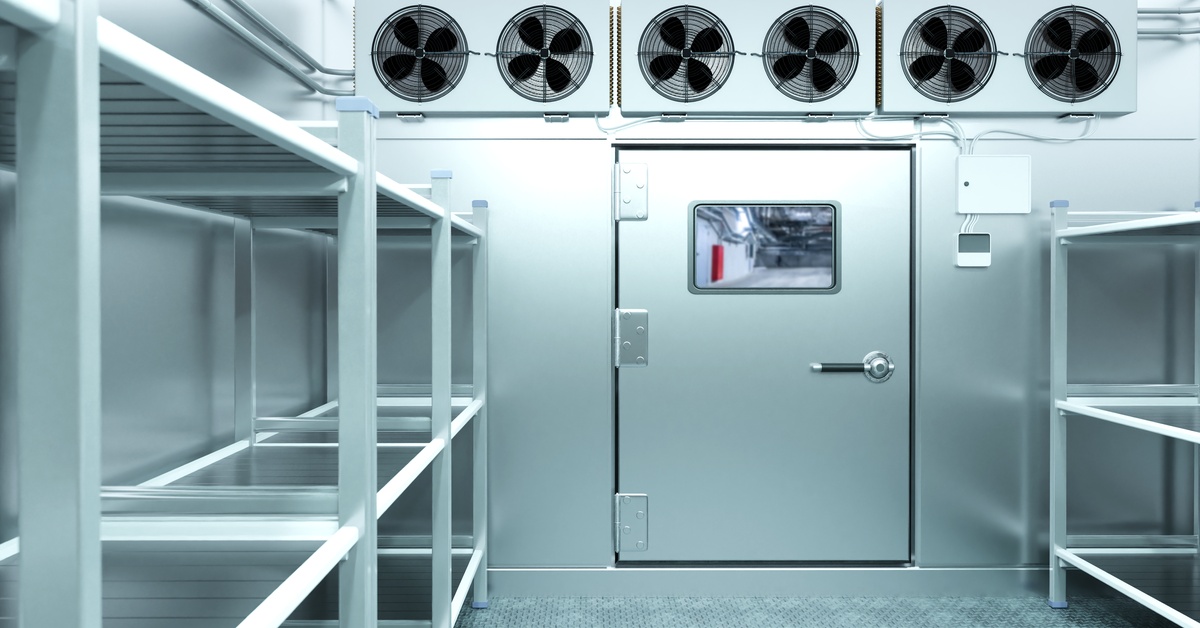
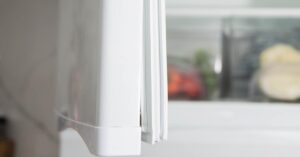
Inspect the seals on all refrigeration units, which include walk-in coolers and freezers. Damaged or worn gaskets allow cold air to escape, forcing the compressor to run continuously. This constant operation consumes a massive amount of electricity, which increases your operational costs.
Installing high-quality restaurant cooler gaskets is the best solution to maintain proper temperature levels. New seals create a tight seal that keeps cold air locked inside. This single replacement can produce immediate and noticeable reductions in your energy bills.
Defrost Freezers on a Schedule
Ice buildup inside freezers acts as an insulator, which reduces their efficiency. The compressor must work much harder to penetrate this layer of ice to cool the contents. You should establish a routine schedule to completely defrost all your freezer units.
A frost-free freezer operates with much less energy than one with significant ice accumulation. This regular maintenance also creates a more organized and accessible storage space for your inventory. The process protects your food assets and reduces your electricity costs.
Optimize Hot Water Heater Settings
Assess the temperature setting on your commercial water heater to prevent unnecessary energy waste. Many units are set higher than needed for sanitation, which consumes excess gas or electricity. Lower the temperature to the minimum required level that still meets health code standards.
Additionally, insulate the hot water tank and the first several feet of pipes. This simple addition reduces heat loss and keeps water hotter for longer. The heater will cycle on less often, which conserves energy and reduces your costs.
Service Cooking Appliances Regularly
All cooking equipment, from ovens to fryers, requires consistent upkeep for optimal performance. Calibrate oven temperatures to ensure they cook food accurately without excess energy use. Clean burners on gas ranges to ensure they produce a clean, efficient blue flame.
Proper service extends the life of your expensive kitchen appliances and ensures food quality. Well-maintained equipment heats up faster and holds its temperature more consistently. These benefits lead to a more efficient kitchen and lower overall energy consumption.
Implement a Lighting Upgrade Plan
Evaluate your restaurant’s current lighting and consider a switch to modern, efficient options. LED bulbs use up to 75 percent less energy than traditional incandescent bulbs. They also last much longer, which reduces both replacement and labor costs over time.
Develop a phased plan to replace old fixtures and bulbs throughout your establishment. Focus first on areas with the longest hours of operation, like the kitchen or main hall. This strategic upgrade provides a swift return on investment through immediate energy savings.
Clean Exhaust Hood Filters
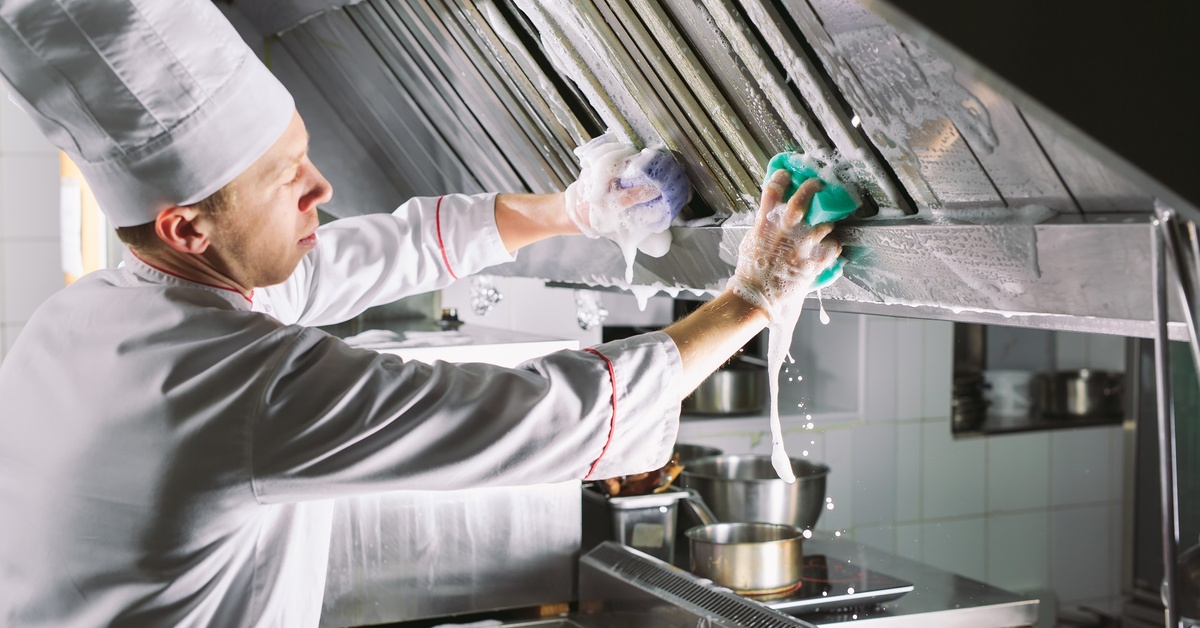
Kitchen exhaust hoods remove grease, smoke, and heat, but their filters can become clogged. A dirty filter restricts airflow, which makes the exhaust fan motor work much harder. You must implement a frequent cleaning schedule for all hood filters to maintain efficiency.
Clean filters ensure the system effectively removes airborne contaminants and heat from the kitchen. This improves air quality and can even lower the demand on your air conditioner. It is a vital safety measure that also provides a substantial energy benefit.
Inspect and Repair Water Leaks
Leaks from faucets, dishwashers, or ice machines can waste both water and energy. A hot water leak is especially costly, as you pay to heat the water. Conduct regular inspections of all plumbing fixtures and pipes to identify drips or leaks.
Prompt repairs of any leaks will have an immediate impact on your utility bills. This proactive water management demonstrates a commitment to resource conservation and responsible operation. It is a simple step with a dual benefit for your budget and the environment.
Educate Staff on Energy Conservation
Your employees play a key role in the restaurant’s daily energy consumption patterns. One of the best tips to improve a restaurant’s energy efficiency is to create a simple set of best practices for them to follow during their shifts. This includes turning off lights and equipment in areas that are not in use.
Hold brief sessions to explain the importance of these habits for the business’s success. When your team understands the goal, they become active participants in the solution. This collective effort reinforces a culture of efficiency and saves money every single day.
A restaurant’s path to greater energy efficiency does not require a massive investment. Instead, it relies on a consistent and detailed approach to equipment maintenance. From the HVAC system to the smallest faucet, every component contributes to your total energy profile.
Adopting these maintenance tips transforms energy management from a passive cost to an active strategy. It allows you to operate a more profitable, reliable, and sustainable business. The long-term financial and environmental rewards will prove well worth the effort.