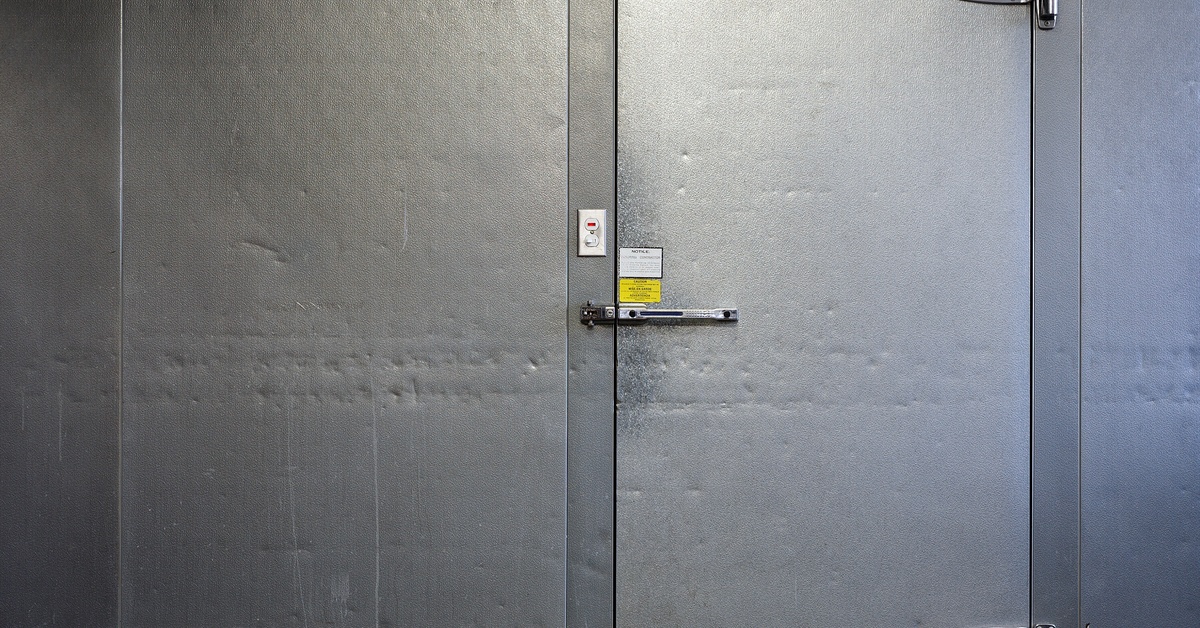
Walk-in coolers are the backbone for countless businesses, from bustling restaurants and busy supermarkets to floral shops and pharmaceutical storage facilities. These essential cold storage units protect valuable inventory and ensure safety compliance, but their efficiency relies heavily on components that often go unnoticed until a problem arises. The door hinge stands out as perhaps the most vital mechanical part, as it endures constant stress from repeated opening and closing throughout the day.
When a hinge fails or performs poorly due to improper installation, the consequences ripple through the entire operation, causing temperature fluctuations, energy waste, and potential food spoilage. Many business owners overlook the precision required to install these hardware pieces correctly, assuming that basic attachment suffices for such heavy-duty doors. However, commercial refrigeration doors possess significant weight and unique structural requirements that demand careful attention to detail and adherence to specific mechanical standards.
A minor misalignment of just a fraction of an inch can prevent a proper seal, forcing the compressor to work overtime and driving up electricity bills significantly. Security risks emerge when doors do not close completely, leaving inventory vulnerable to theft or unauthorized access during off-hours. These top mistakes to avoid when installing walk-in cooler hinges offer practical insights to ensure your cooler operates at peak performance.
Ignoring Manufacturer Specifications
Every hinge comes with a specific set of instructions that you must follow for success. Manufacturers design these parts to support specific weights and door dimensions for optimal long-term use. Failure to read the manual often leads to immediate failure or rapid wear and tear.
Do not assume that all hinges work the same way for every type of door. Some require specific torque settings for the screws to hold the weight of the door. Always consult the technical sheet provided with the hardware to verify the correct installation steps.
Using Incorrect Fasteners
The screws you choose must match the material of both the hinge and the door frame. Weak screws can snap under the heavy weight of a commercial cooler door over time. You need fasteners that resist rust and corrosion in the damp environment of a cooler.
Stainless steel screws offer the best durability against moisture and temperature changes in cold storage. Avoid using standard wood screws if the frame consists of metal or reinforced plastic materials. Ensure the length of the screw penetrates deep enough to provide a secure, strong hold.
Over-tightening the Screws
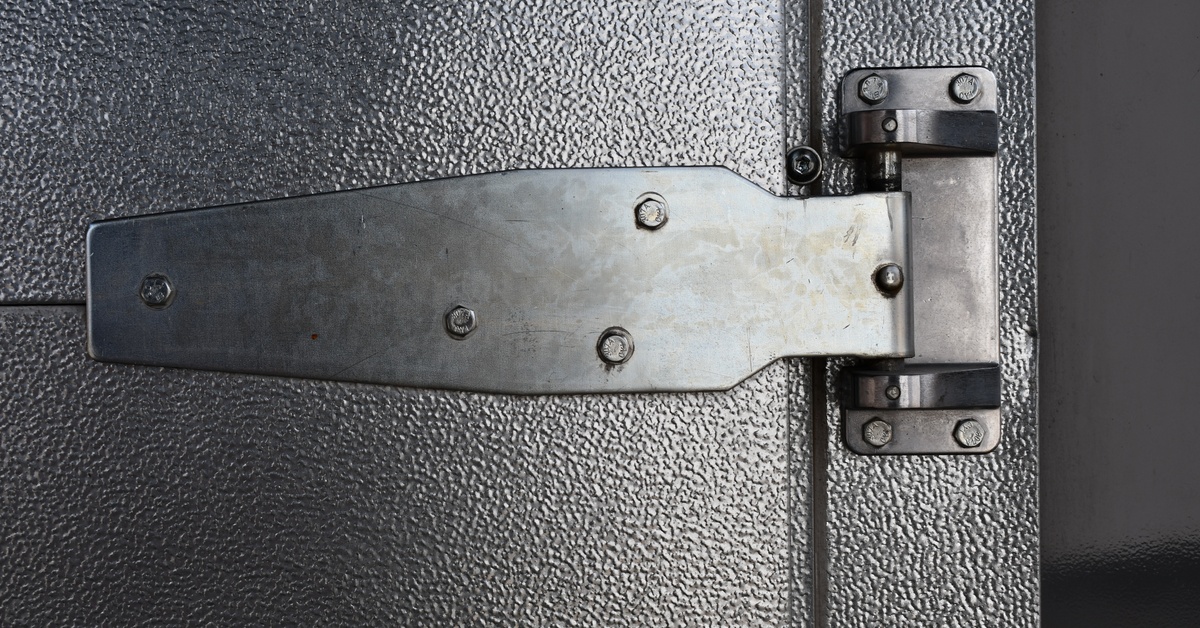
Many installers believe that tighter screws always mean a more secure and stable door installation. Excessive force can strip the screw holes and damage the integrity of the door frame. This damage weakens the hold and causes the hinge to loosen as the door moves.
Use a torque wrench to apply the exact amount of pressure recommended for the hardware. Hand tools allow for better control than power drills when you perform the final tightening. Stop turning the screw as soon as it sits flush against the surface of the hinge.
Misalignment of Door and Frame
You must align the door perfectly with the frame to ensure a tight seal always. A small gap allows cold air to escape and warm air to enter the unit. This constant exchange forces the refrigeration system to work much harder than it should daily.
Check the vertical and horizontal alignment levels before you tighten any of the screws down. Use a standard carpenter’s level to verify that the door hangs straight on the frame. Investing in high-quality commercial freezer door hinges is the best way to ensure proper alignment.
Neglecting The Hinge Maintenance
Dirt and debris build up in the hinge mechanism and cause friction during normal operation. You must clean the hinges regularly to prevent grit from wearing down the metal parts. A simple wipe with a clean cloth removes most of the harmful buildup from the surface.
Lubricate the moving parts with a food-safe oil to keep the action smooth and quiet. Dry hinges squeak and grind, which indicates metal-on-metal wear that shortens the lifespan significantly. Schedule a monthly check to inspect the condition of the hinges and apply fresh lubricant.
Forgetting to Check the Gasket
The hinge installation affects how the gasket compresses against the frame when the door shuts. If the hinge sits too far back, the gasket will not form a complete seal. This gap allows humidity to enter and freeze, which creates ice buildup around the door.
Inspect the gasket compression around the entire perimeter of the door after you mount the hinges. Adjust the hinge position until the gasket creates a uniform seal on all four sides. A good seal prevents energy loss and keeps the internal temperature stable for your products.
Underestimating Door Weight
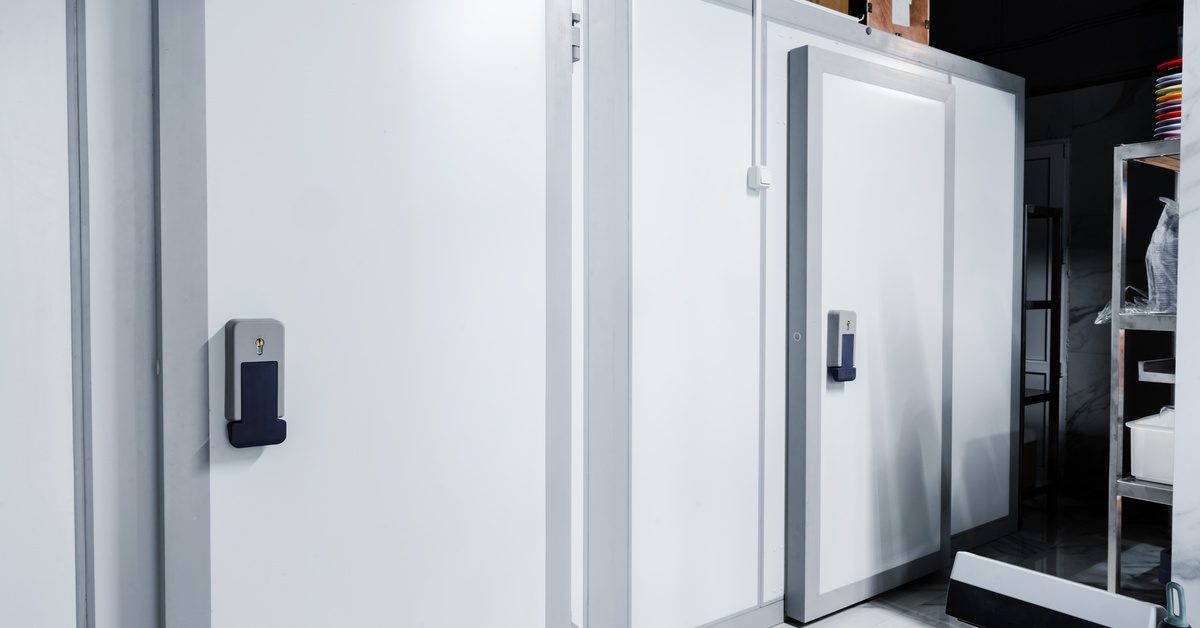
Walk-in cooler doors weigh much more than standard interior doors due to insulation and cladding. To ensure proper selection, follow these recommendations:
- Check the load rating on the hinge package before you purchase.
- Weigh the door if you do not know the exact specifications.
- Add extra hinges if the door weight exceeds the standard limit.
- Consult a professional if you feel unsure about the weight capacity.
Rushing the Installation Process
Rushing is one of the main mistakes to avoid when installing walk-in cooler hinges, which often leads to sloppy work and mistakes that cost money to fix. Take your time to measure twice and drill once to avoid damaging the door frame. A rushed job often results in crooked hinges that prevent the door from closing properly.
Clear the work area and gather all necessary tools before you start the installation task. Patience allows you to spot potential issues before they become permanent problems for the cooler. A methodical approach ensures the hardware functions correctly and looks professional for your business needs.
Failure to Level the Floor
The floor beneath the door must be level for the door to swing without obstruction. An uneven floor can cause the bottom of the door to scrape and damage seals. You must address any floor irregularities before you attempt to hang the door on hinges.
Use shims to adjust the door frame if the floor slopes or has uneven spots. A level threshold ensures the door sweep makes contact without dragging or leaving a gap. Correct floor preparation saves you from constant adjustments and repairs in the future months.
While the hinges may seem like minor details in the grand scheme of commercial refrigeration, their role in maintaining energy efficiency and product safety is undeniable. Avoiding these common mistakes protects your investment and ensures seamless daily operations. Business owners who prioritize precision during the installation phase reap the rewards of lower utility costs and fewer emergency repair calls.
Remember that the door to your cold storage is the primary barrier against spoilage, and its hinges are the guardians of that seal. Take the time to install them correctly, maintain them regularly, and address issues promptly to keep your cooler running at its best. A well-installed door is not just a convenience; it is a fundamental component of a profitable and safe food service or storage environment.